ABOUT
Moving hospitality
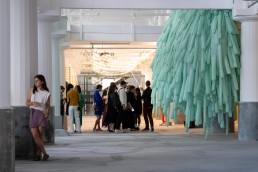
The Lobby is a movement – a community where top decision-makers from the European hospitality industry meet to consciously learn from each other, network and shape the future. We motivate the hotel industry to think forward with innovative angles and cool key-note-speaks.
The Lobby is a two-day event. Day one with a prevent and a networking dinner, and day two is a conference day.
At the Lobby we dare to ask questions, we love to have fun, and restlessly strive for a better tomorrow.
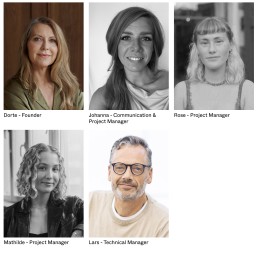
The Lobby team
Collective Mindset
At The Lobby, we develop long-term relationships in the hotel business – this is where network turns into friendship. We work hand in hand with sponsors and partners that see the greatest challenge of our time as their opportunity. Your ideas, methods, and products are taking an active role in the program.
The most important hotel event in the Nordic countries.
Stay in touch with regular updates from our website to see how and what we´re doing.
Partners


"I was dead impressed by the nice event - it was super inspiring and familiar.Nice meeting so many new and interesting people - What an energy boost for the fall. "
Linda Ågren, Hotel Design Manager, Scandic
2026 THEME
CELEBRATING FAILURES
The Lobby isn’t about perfection. It’s about daring to ask questions and move in unknown directions. It’s about encouraging and inspiring people to think differently, and to bring real human experiences into our community. This year, we’re CELEBRATING FAILURES — the mess-ups, the breakthroughs, the happy accidents — and the friendships these circumstances make possible.
Failure humbles us. It teaches a resilience you can’t buy, fake, or masterclass your way into.
Failure is not the end of the story — it’s the messy, brilliant beginning of a new one.
Failure doesn’t shut you down. It hands you a clean sheet of paper, sharpens your pencil, and reminds you to continue — even when things burn, break, or fall apart.
When we fail together, something remarkable happens — walls come down, egos fade, and teams bond over the late-night disasters, the near-misses, and the “what were we thinking?” moments. It turns colleagues into confidants and opens space for empathy, for creativity, and for each other.
In failing together, we find the courage to transform — and the community to rise again.
Failure is not our downfall — it’s our common ground, our training ground. It’s what moves us forward. It’s what makes us better leaders, creators, and friends.
So this year at The Lobby, we invite you to drop the mask of perfection — to learn, to rebuild, and to connect through the lessons failure offers.
See you in Copenhagen on the 2nd and 3rd of September.
PROGRAMME 2026

“No joke: best hotel conference we’ve ever attended. Great speakers, informal, genuine vibe and lovely organizers.”
Hans Meyer, Founder of Zoku and Former Founder of CitizenM
Sponsors 2026
Check out our cool Lobby sponsors. They all have solid knowledge about hospitality and a curiosity to learn new aspects of sustainable solutions. At The Lobby you get to meet all the sponsors, and you will have a unique opportunity to talk and discuss relevant topics.
If you want to become a sponsor in 2027, reach out to us today!
FRIENDS
Meet our friends.
Friends listen, learn, share and help each other, without any commitments nor hidden agendas. Our Lobby friends help us share our thoughts and they help develop The Lobby event to both meet your expectations and to surprise you at the event with new ideas on how to create a change – a change making the hospitality industry more sustainable. More vibrant. More interesting.
Our friends all represent cool brands like: Union Kul, Nordkranen, AM-PM, A Studio Between, Hilton, Zoku, Embassies of Good Living, Conran and Partners, Cibola Holding, MisterSteel, Studio LOST, Concrete Amsterdam, Stylt Trampoli, HC Tomorrow, Stockholm Creative Edition, Under One Sky, Studio Aisslinger, Riklin Brothers

SPEAKERS 2026
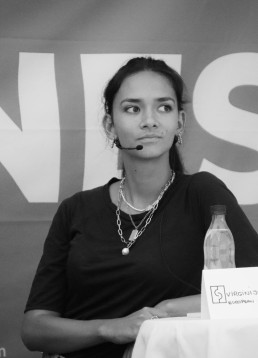
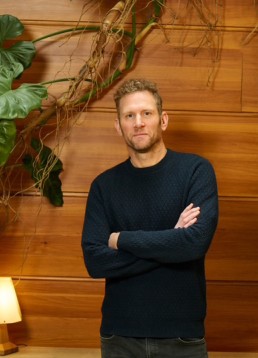
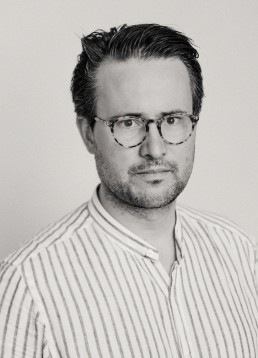
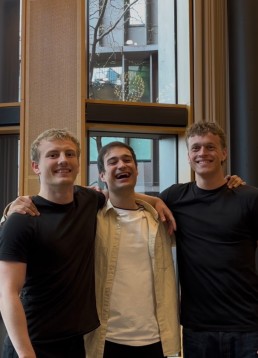
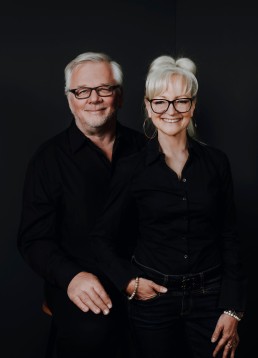
Diane Daudin-Clavaud

MODERATORS 2026
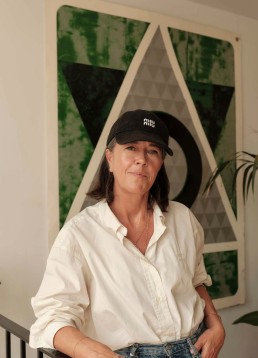
“A good thing about The Lobby is that it is not too big. We need to be a group of people with different mindsets who can share ideas and experiences”.
Ilse Crawford, Founder StudioIlse
Future guests want presence, improvisation and local hospitality
Failure has often been David Zilber’s shortcut to success. The fermentation expert, chef and food researcher believes the hospitality industry has much to gain from opening itself up to the possibility that things may occasionally go wrong.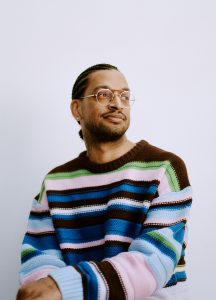
There is a place beyond right and wrong that hospitality must find if it wants to remain relevant in the future. Because when everything is designed not to fail, it often stops feeling alive.
“We are under more pressure today than ever before – economically, emotionally and in terms of time. That changes what we long for and, in turn, the kinds of experiences we seek,” says fermentation expert David Zilber.
Originally from Canada, Zilber has lived in Copenhagen since 2014, where he spent four years leading the fermentation lab at the Michelin-starred restaurant Noma. Today, he works at Novonesis, helping the food industry use fermentation to develop new and more sustainable foods.
“In the past, memorable experiences were often about abundance. About more. About the extra touch. About signaling something. But I do not necessarily think that is what people long for anymore. I think people are looking for experiences that feel more meaningful, more valuable and more genuine.”
Fine dining is one example. Ten years ago, the focus was often on complexity, technical perfection, many elements and heavy staging. Today, in many places, we are seeing the opposite: simpler, more honest food, created with care and delivered in a way that feels more human.
“I think hospitality will move in the same direction and therefore needs to consider whether the luxury of the future will look very different from today. Perhaps simplicity. Perhaps calm. Perhaps presence. Not necessarily lower quality – but certainly less performance. Meeting people where they are. I actually believe that what will keep hospitality relevant is neither perfection nor standardisation, but the ability to create places where people feel more alive.”
The most memorable experiences are rarely the most perfect
This is why Zilber sees it as paradoxical that hotels and experiences today have become increasingly standardised.
“One of the biggest complaints I hear from people who travel frequently is that today, more than ever, they feel as though they could be anywhere. Everything looks the same. Design. Food. Experiences. And I understand why. From a business perspective, it is low risk. From an operational perspective, it is efficient. But there is a cost.”
That cost is identity – and with it, the risk of becoming forgettable.
“When I think back on the most memorable hotels and places I have visited, they were almost never the perfect ones. They were the places where something felt distinctive – where the experience could only have happened there. Maybe it was a dish. Maybe it was the way people welcomed you. Maybe it was the building. But there was always something rooted in local identity that could not be copied.”
Zilber’s own most memorable hospitality experience took place many years ago in Israel, when he got lost in Haifa. There he met a family spanning three generations who invited him into their home. They spoke almost no English. But they served tea. Pickles. Small snacks. Simply what they had. There was no money involved. No reservation. No expectation.
“I still remember that afternoon very clearly. I can still feel it. And when I think back, it had nothing to do with the food, the quality or the service. It was about feeling welcomed, invited in and included. So, if the hospitality industry believes people mainly want more luxury, more perfection and more control, it risks misunderstanding what people long for: something simpler, more honest and more local. And perhaps that is what fermentation teaches us – that things do not have to be perfect to be valuable.”
Failure is not waste – it is valuable learning
For David Zilber, there is a direct connection between fermentation, failure and improvisation on one side – and impact, authenticity and the hospitality experiences of the future on the other.
“There is no fermented food that could have emerged just anywhere. All the foods that have survived generation after generation emerged from human culture, passed-down knowledge and the acceptance of failure. Because when you ferment, you must stay open to surprise and be willing to improvise – and that is always educational.”
He offers an example:
“One of the first things I worked on in my fermentation career was making sake from barley. Traditionally, that is simply not done. But we tried to bring Nordic terroir into a Japanese process, and it was terrible. It simply did not taste good. But if it had not been for that failure, I would never have had all the small successes that followed. That is how I think about failure – how much it can teach us. Because when you open yourself up to the possibility that something might go wrong, you also open yourself up to the possibility of creating something better than expected.”
From microbiology, Zilber draws a direct parallel to the future success of hospitality: If you take a single microorganism out of a larger community and grow it alone in a petri dish, you can count the cells, measure the processes and understand exactly what it does. But once you place it alongside other organisms, something entirely different begins to happen. New aromas emerge. New connections. New characteristics. Not because of the individual organisms themselves – but because of the relationships between them. Between bacteria. Between fungi.
“And I think the same applies to people. That is why it became important for me to turn my attention towards the food that matters most – the food all of us eat. Not because I became tired of elite thinking. It depends entirely on how you define elite. Elite can mean something available only to very few people. But it can also mean striving for the very best. And that part of me has not changed. I still try to create the best possible ideas, solutions and products. That ambition has not become smaller. What changed was the question: where should that energy be spent?”
From Michelin to millions
At the busiest and most famous three-Michelin-star restaurants in the world, perhaps four to five thousand guests are served each year. At the same time, the people working with the food that most of the world eats receive the least attention.
“What if you could take the same energy, expertise and creativity and apply it somewhere far more people would actually feel the impact? For me, that became the definition of impact. I started seeing industrial tools differently – not as the opposite of craftsmanship, but as an amplifier. A way to scale the same level of care and quality.”
Zilber still remembers the first time he experienced that shift: He developed a recipe for a meal-solution company and, after two months, more than four million people had already eaten his dish.
“With one recipe, I had reached more people than in my entire gastronomic career before. That really changed my perspective. Because there is an enormous amount of good that can be done at scale – especially if you are willing to experiment and take the time to understand how to create meaningful, memorable experiences for exactly the guests you want to welcome, in exactly the place you are.”
Celebrating Failures — a research series in partnership with The Lobby
In the lead-up to TheLobbycph 2026, PeoplePlacesSpaces asked hospitality professionals to tell us about failure. The responses were unusually candid. People wrote at length, precisely and personally about the moments they got it wrong, the calls they’d backed too long, the things they’d seen and said nothing about.
Article 1: Willing to Speak. Unwilling to be seen.
Article 2: The gap between what gets designed and what gets delivered.
Article 3: Failure doesn’t live in one place.
Article 4: The gap between what we sell and what we are.
Moving hospitality – together
A hotel is more than just a place we go to spend the night. It is an opportunity.
An opportunity to experience, feel, and live. To think in new ways, to grow wiser and richer in knowledge, relationships, and creativity.
We want to inspire the industry to make bold, authentic choices that help create a better more meaningful world laying the foundation for strong communities and deep connections. We want to inspire more unique human centered experiences, where life is lived and memories created.
That is why we are curious about the hotels and people who have not followed the conventional path — and how they have succeeded in creating truly unique experiences. Snøhetta, for example, designed the world’s first energy-positive hotel; how can the rest of us be inspired and motivated to build more sustainably? What makes guests travel to Hotel Dexamenes in Greece, which has no pool, but instead hosts communal dinners where guests and locals gather to talk about local foods and ingredients?
Could other hotels be just as curious daring to do things a little bit different? Could we — instead of offering a traditional breakfast and the daily newspaper — offer our guests a more intentional start to the day, with space for calm, reflection, or quiet conversation? Could we invite them to join a shared dinner with other guests? Or could we guide them more thoughtfully in their individual choices through our hospitality? Could we give them the opportunity to prepare their own dinner, with inspiration and support from our skilled chefs? Or create clubs where guests meet around relevant themes and ideas?
The possibilities are endless and the benefits of working intentionally and human-centered are worth exploring.
We must lead change — together
It requires that we dare be brave, to think differently and long-term. To challenge and create change. That we seek to to lead a transformation that engages all the senses — and all people. It also requires the willingness to offer guests surprising experiences where they learn something they cannot simply read about. Something that will uphold the possibilities of staying with them forever. That may look like creating environments that invite guests to think differently, that gently challenge their worldview enough for the experience to stay with them and plant small influential seeds out into the world.
We need to constantly ask ourselves questions to lead change. What is good hospitality? How do we include more people for the benefit of all? What does it truly mean to belong? And what can we learn from researchers, architects, or artists when planning and living the future of hospitality?
Perhaps one day it will be natural to collaborate with those who have less, or who live on the edge of society — not merely by donating surplus food, but by investing in long-term programs that create jobs for seniors, people with disabilities, or individuals experiencing homelessness. A new step that can make a profound difference for the individual while also helping address the industry’s need for qualified talent. This just to mention one possibility among many.
That is why business development in hospitality is about far more than what can be measured. It is about experiences we feel. Communities we remember. Change that make an impact. We no longer spend our limited time and resources on just anything or anyone. We have to make it count.
We must inspire greater courage, community, and genuine engagement — together
Our goal is to inspire hotel operators, design studios, and others within the industry to see its challenges through eyes that create space for transformation and innovation — benefitting all.
The industry needs more courage — which is why we bring forward speakers and topics that are not necessarily commercial, but ask questions and shed light upon subjects, challenges states quo and therefore inspire more meaningful choices. Choices that, in the end, can generate just as strong – if not even stronger – results as what we have always done.
The industry needs stronger community — which is why we create a platform where new ideas can be explored, and where we meet in ways that foster long-term relationships and innovative collaborations. Here network evolve into friendships and serious business partnerships. We take on a personal role as hosts, meeting others as we ourselves wish to be met. We are accessible to everyone and here for everyone. We thoughtfully connect guests across disciplines and backgrounds so that everyone builds new network and everyone’s value is recognized.
The industry needs greater authenticity — which is why we ensure that guests and partners meet in new, informal ways that allow for personal conversations that can develop into genuine real business. We also challenge behaviors that can be improved and present real alternatives creating new possibilities to build personality, attract talent, and establish communities.
We make the world better for ourselves and others — together
We do so by daring to lead and by being who we are: people who make mistakes, but who insist on trying and going deeper into the industry’s challenges and opportunities — seeking the places where we and our guests can learn something beyond the expected, and where what makes us wiser is people and their lived experiences.
This is how we believe the industry can learn and evolve creating a better world for the hotel guest — and, through that, also for itself.
Together, we can work toward an intentional future that does not dictate us by circumstances, but is being shaped and becomes a place where we actively make the world better for ourselves and for others.
The Lobby: Moving hospitality – together.
Sleeper Magazine article X 2
We’re happy to share an article about The Lobby is featured in Sleeper Magazine, Issue 125. Read the article here!
Thank you to Sleeper Magazine for the feature, and to our community of guests, collaborators, and friends who continue to make The Lobby what it is.
We move hospitality — together.
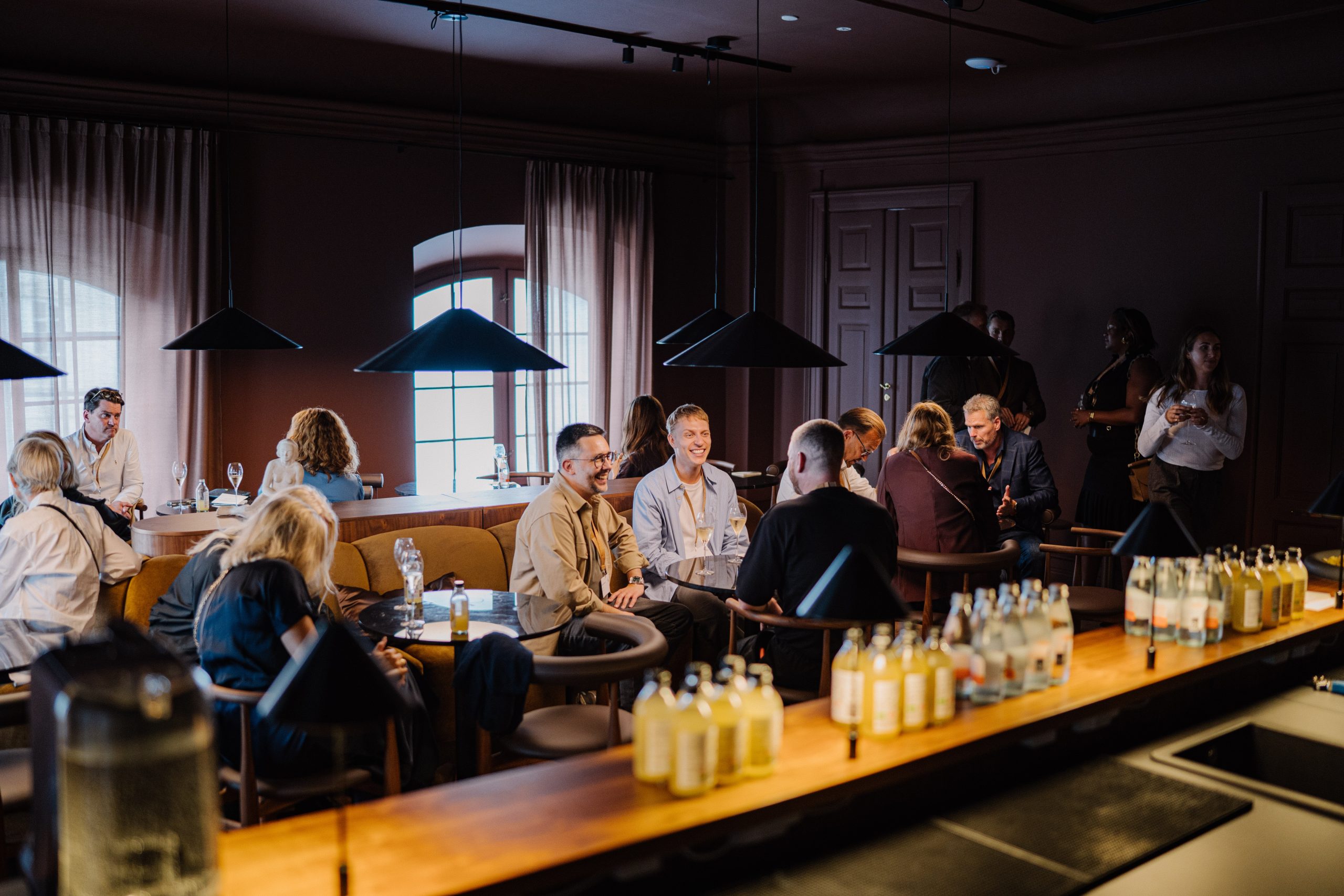
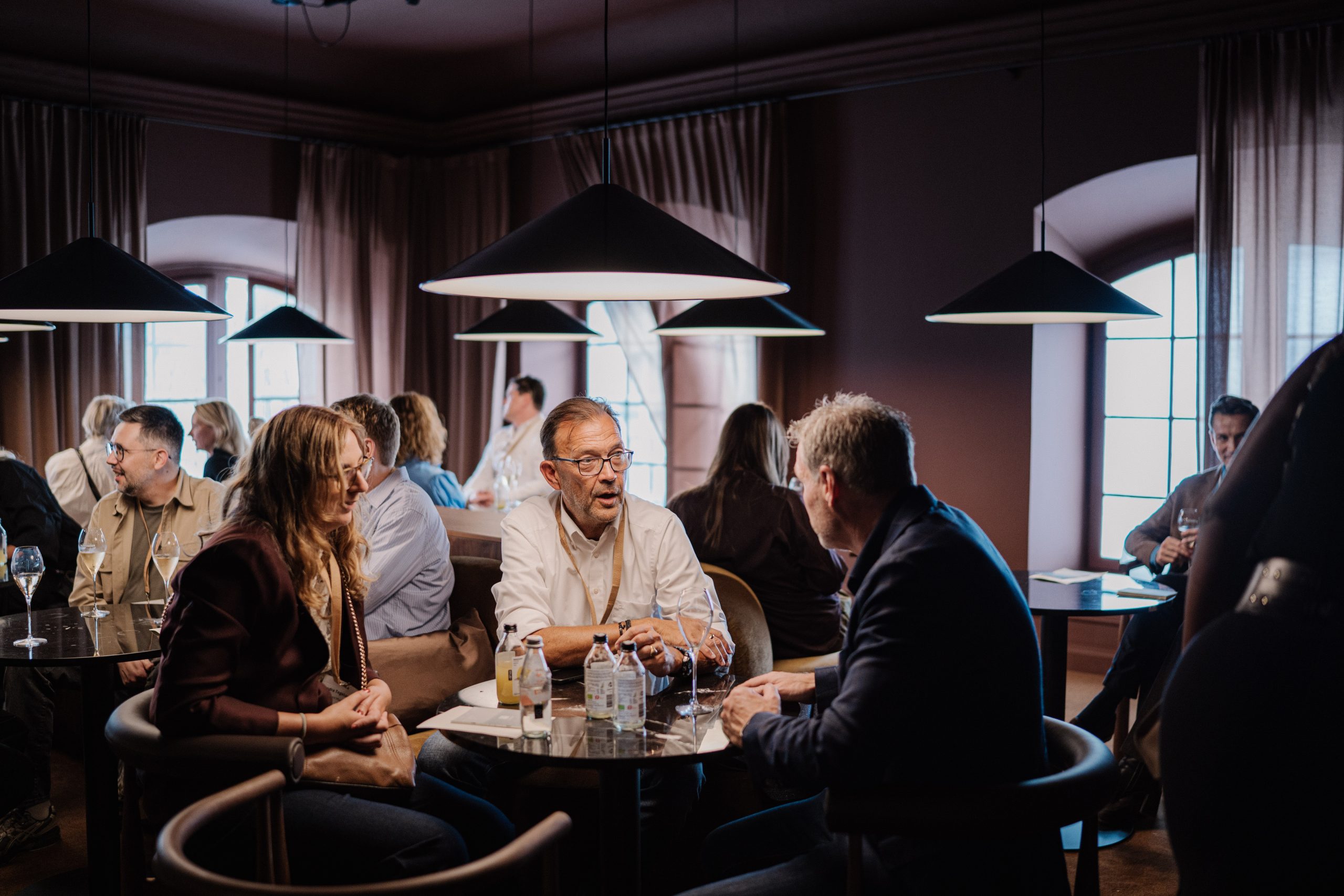
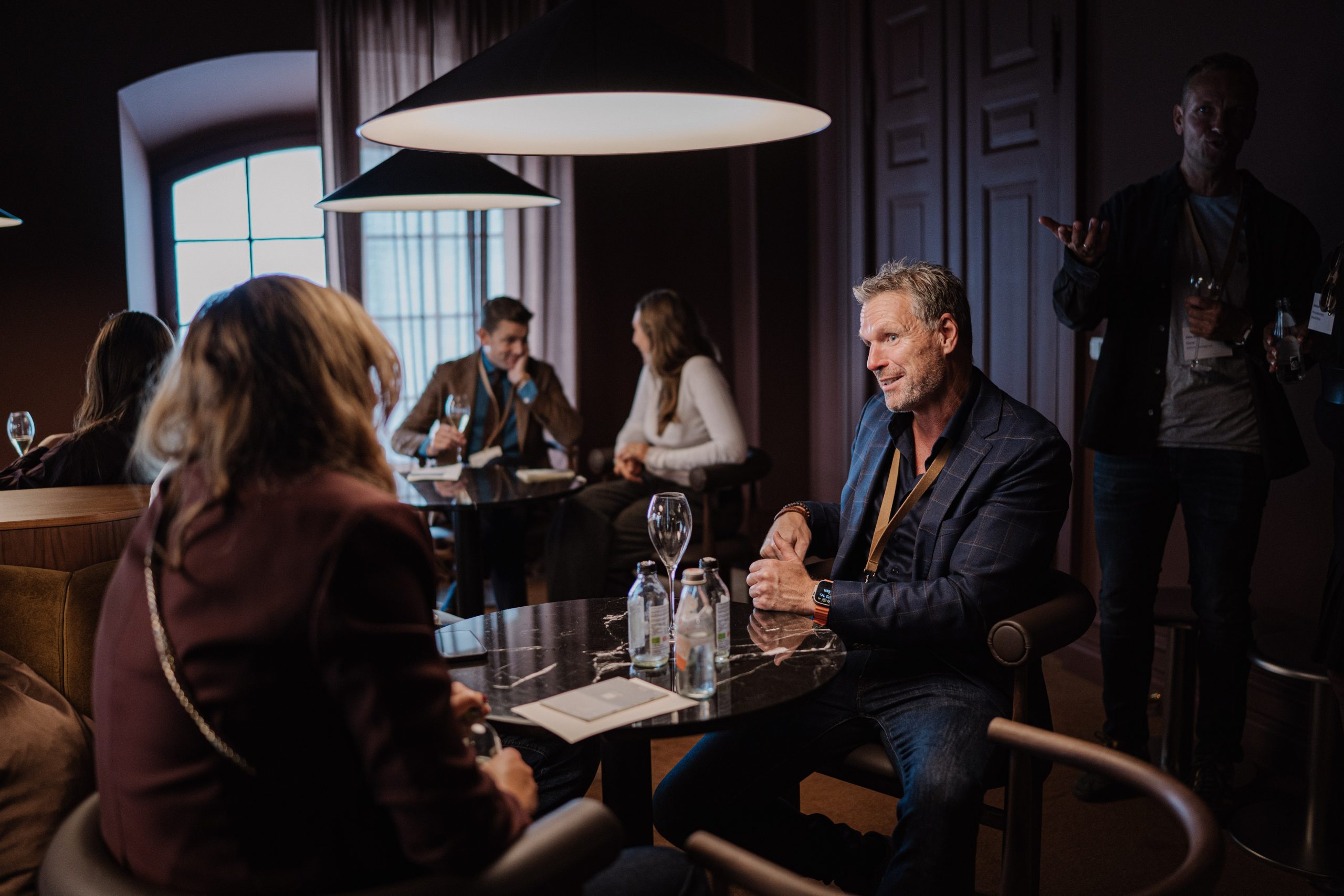
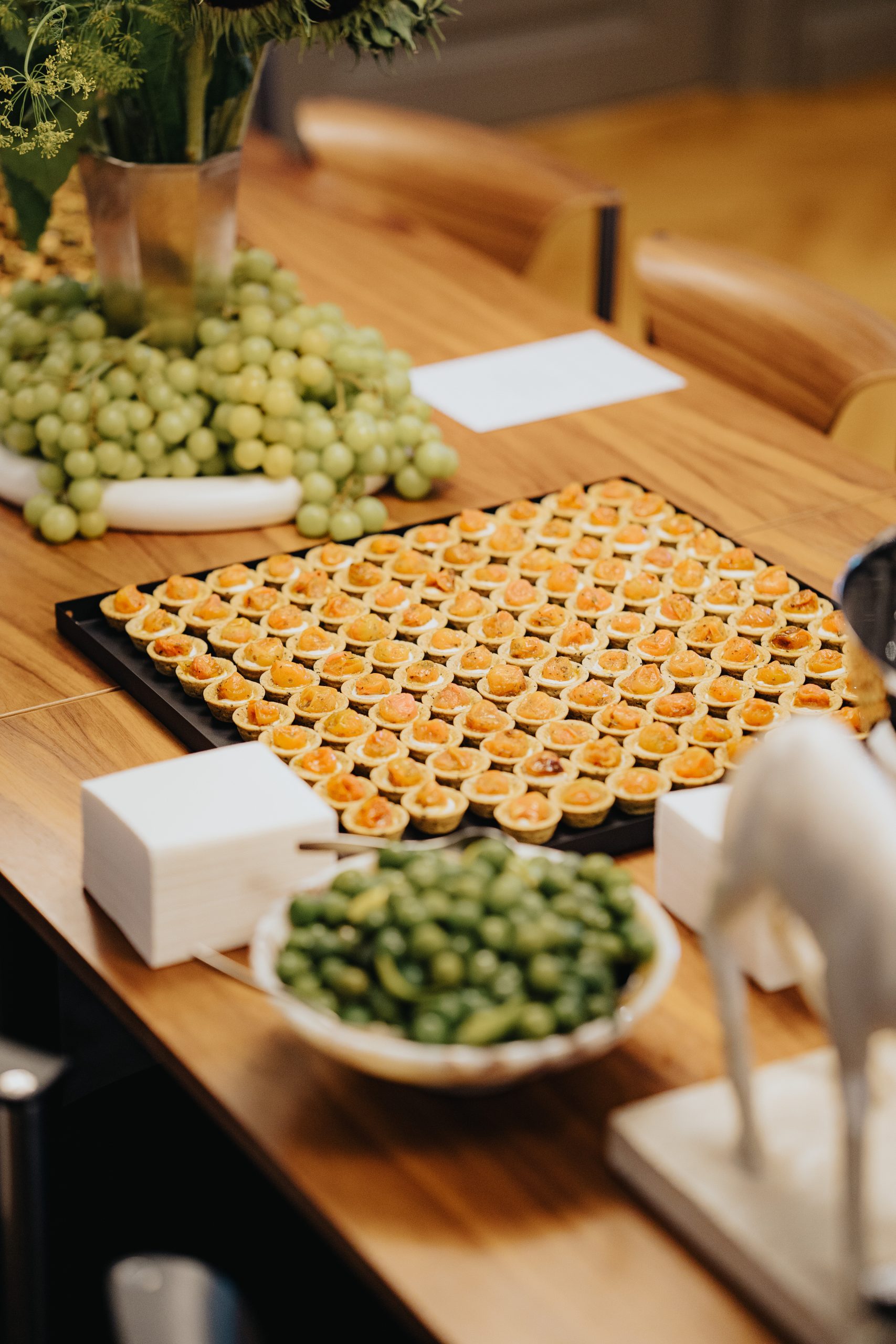
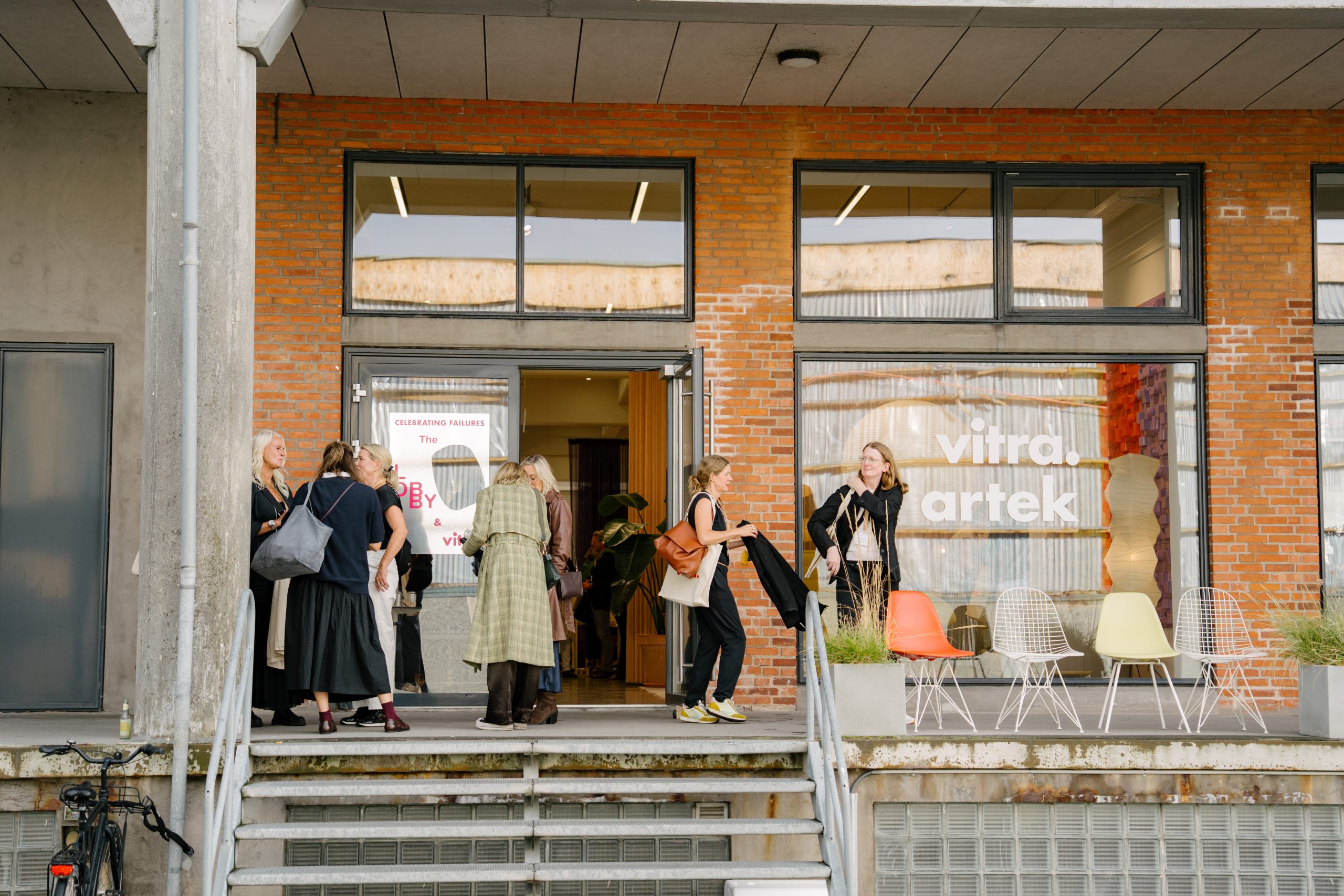
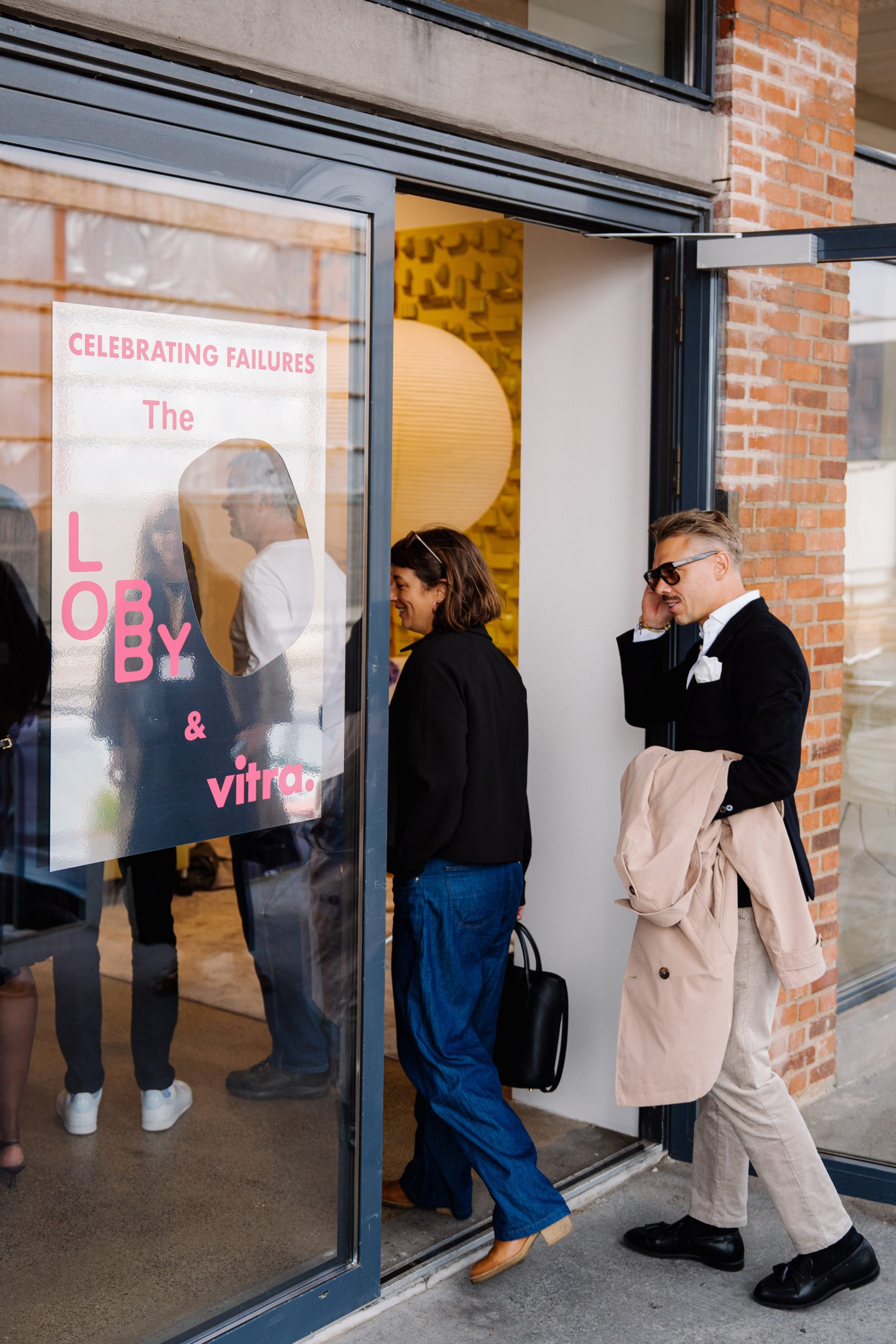
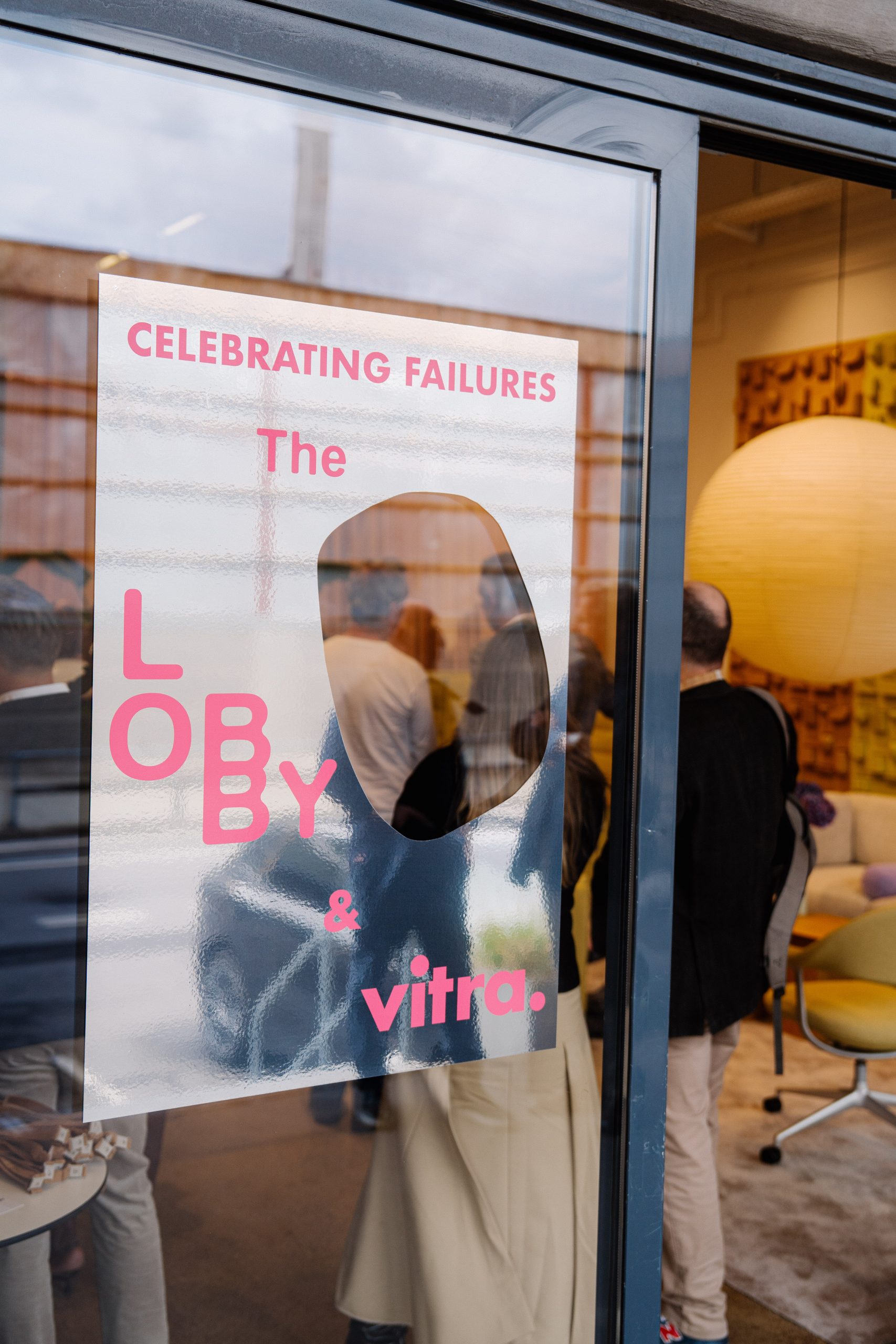
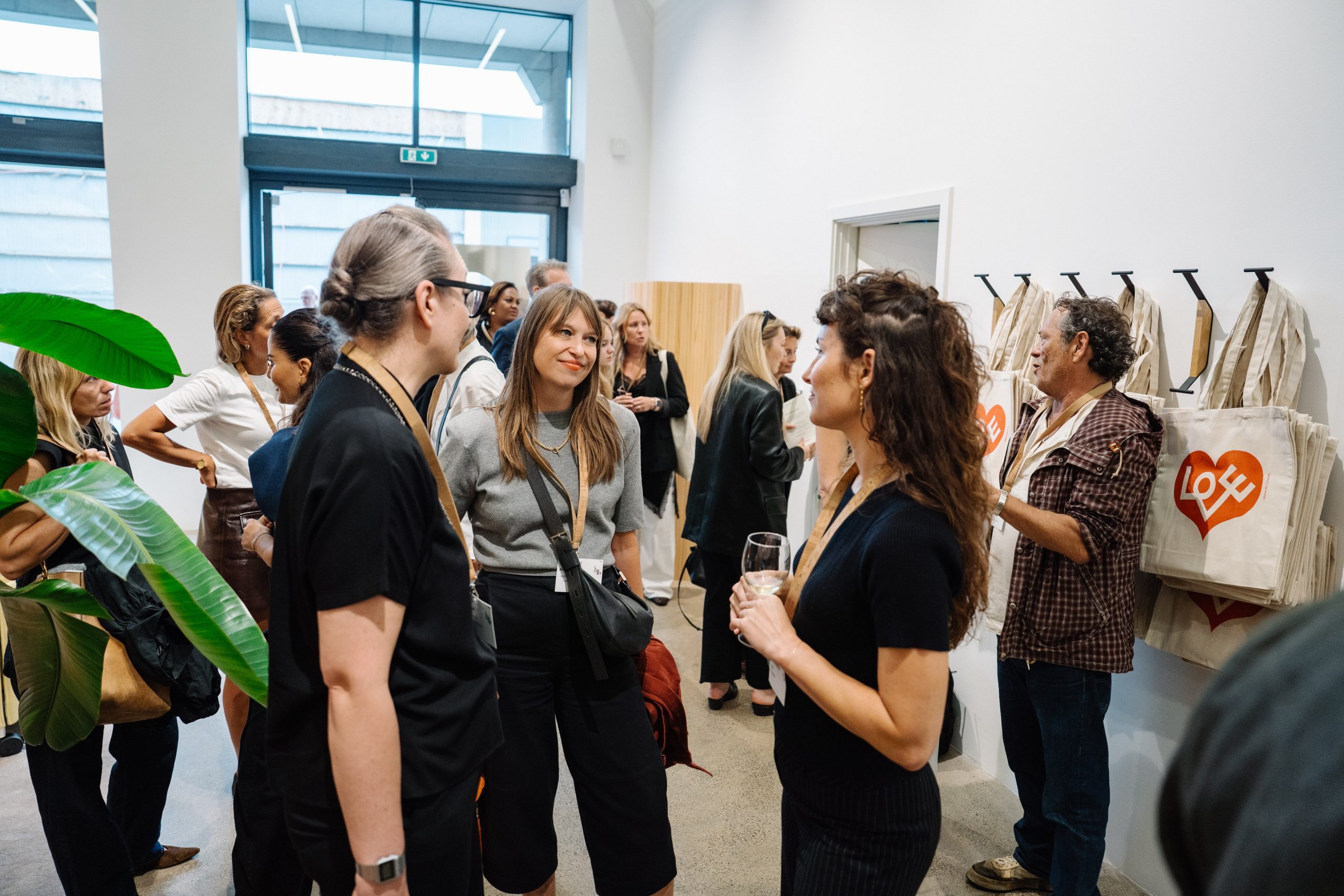
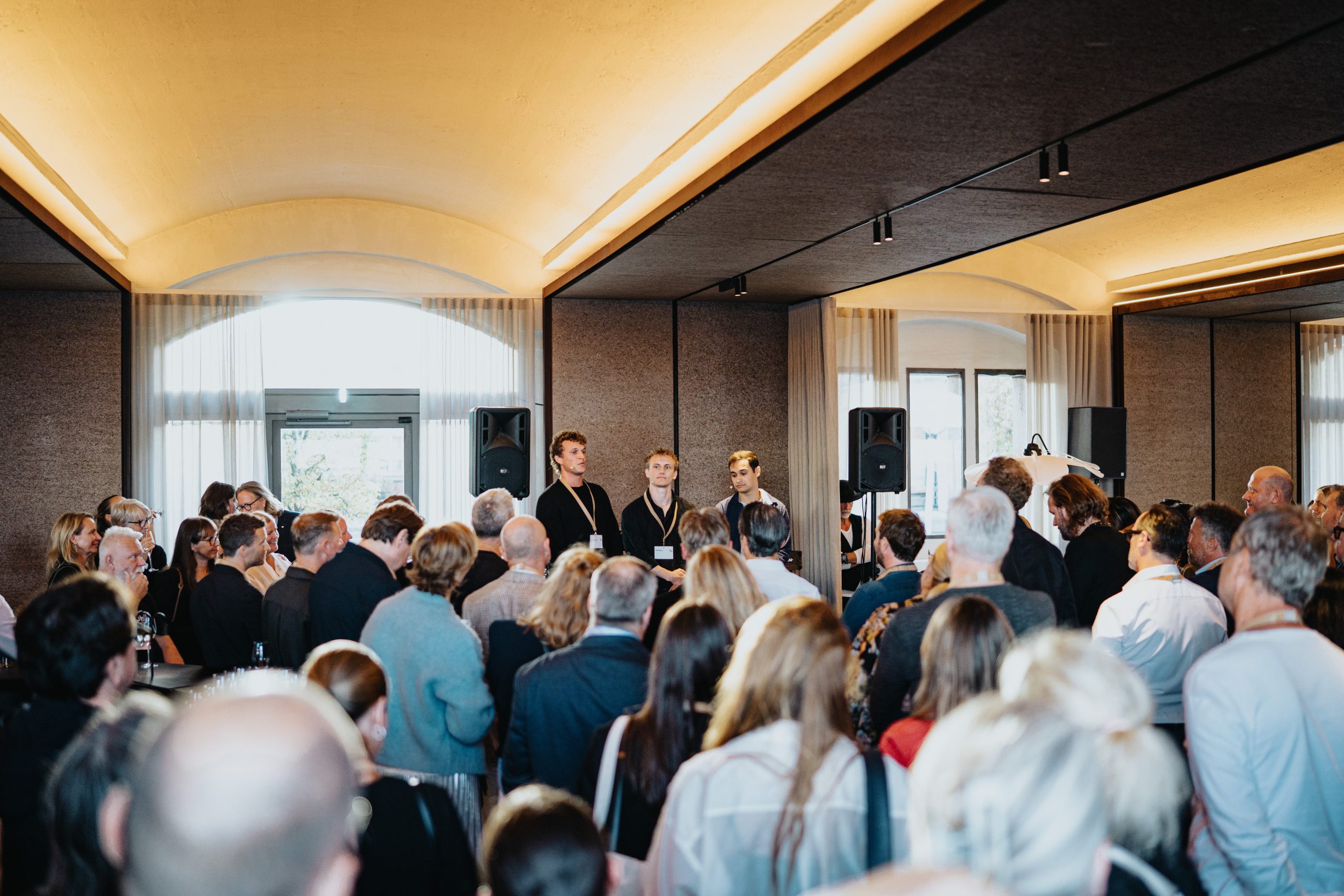
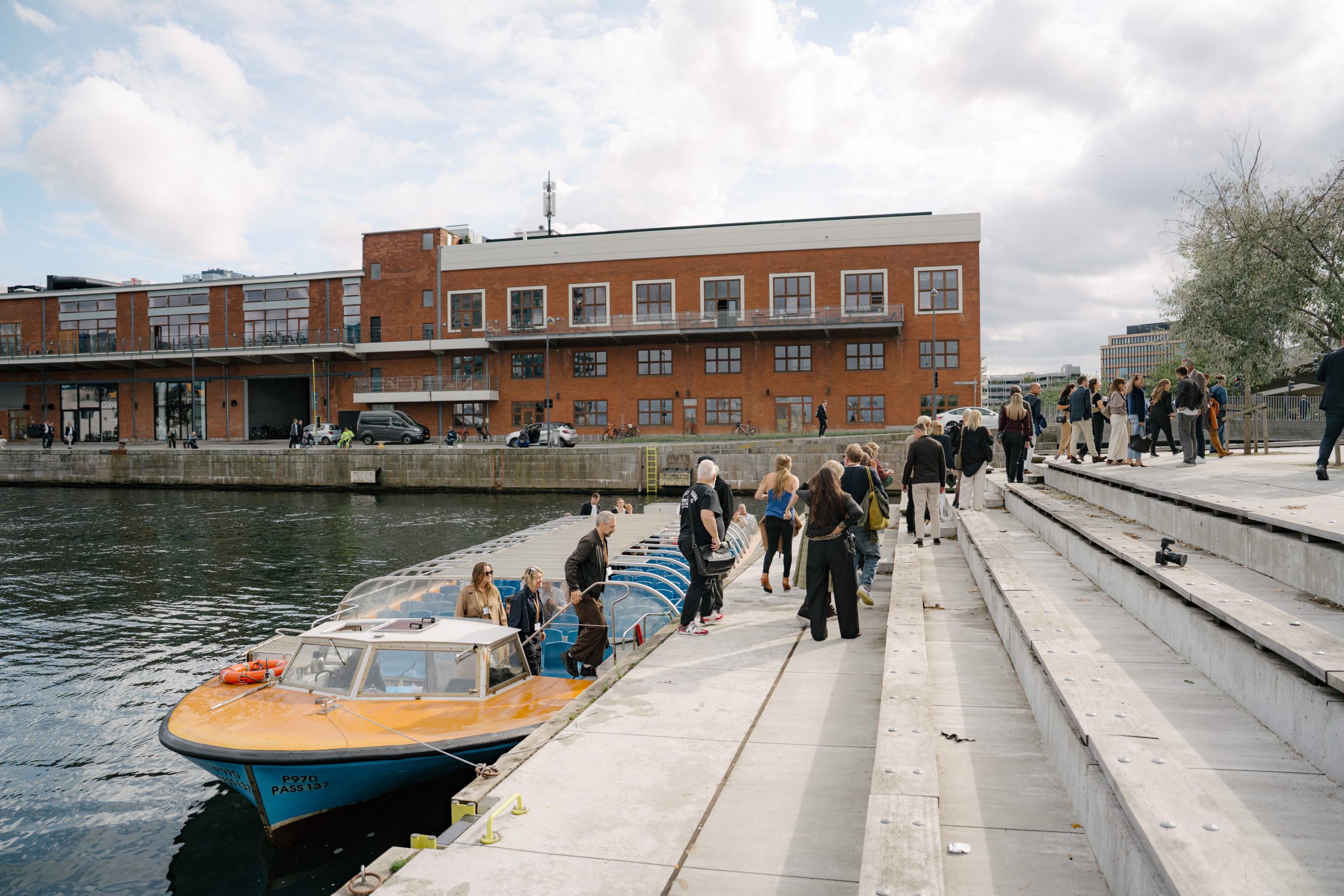
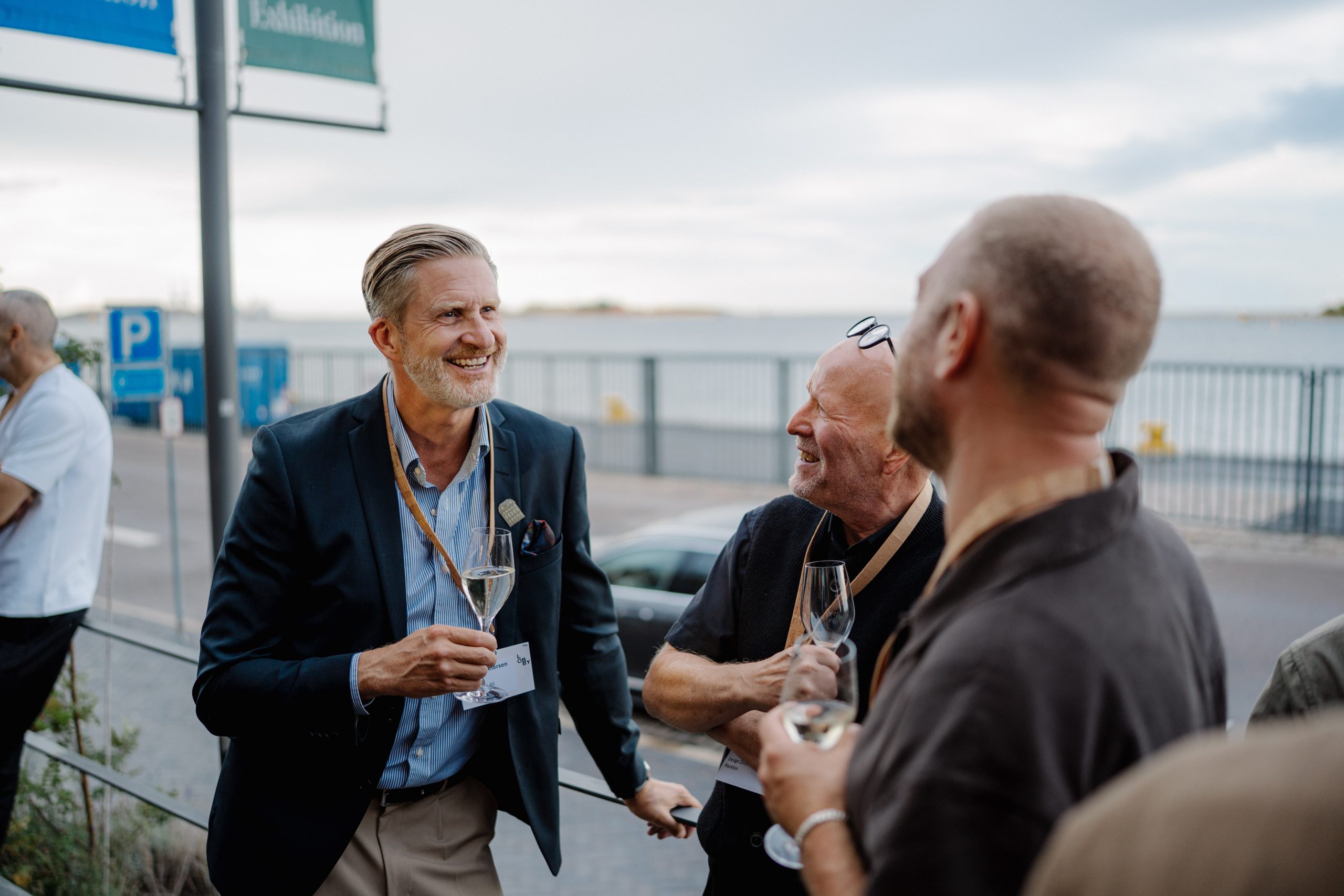
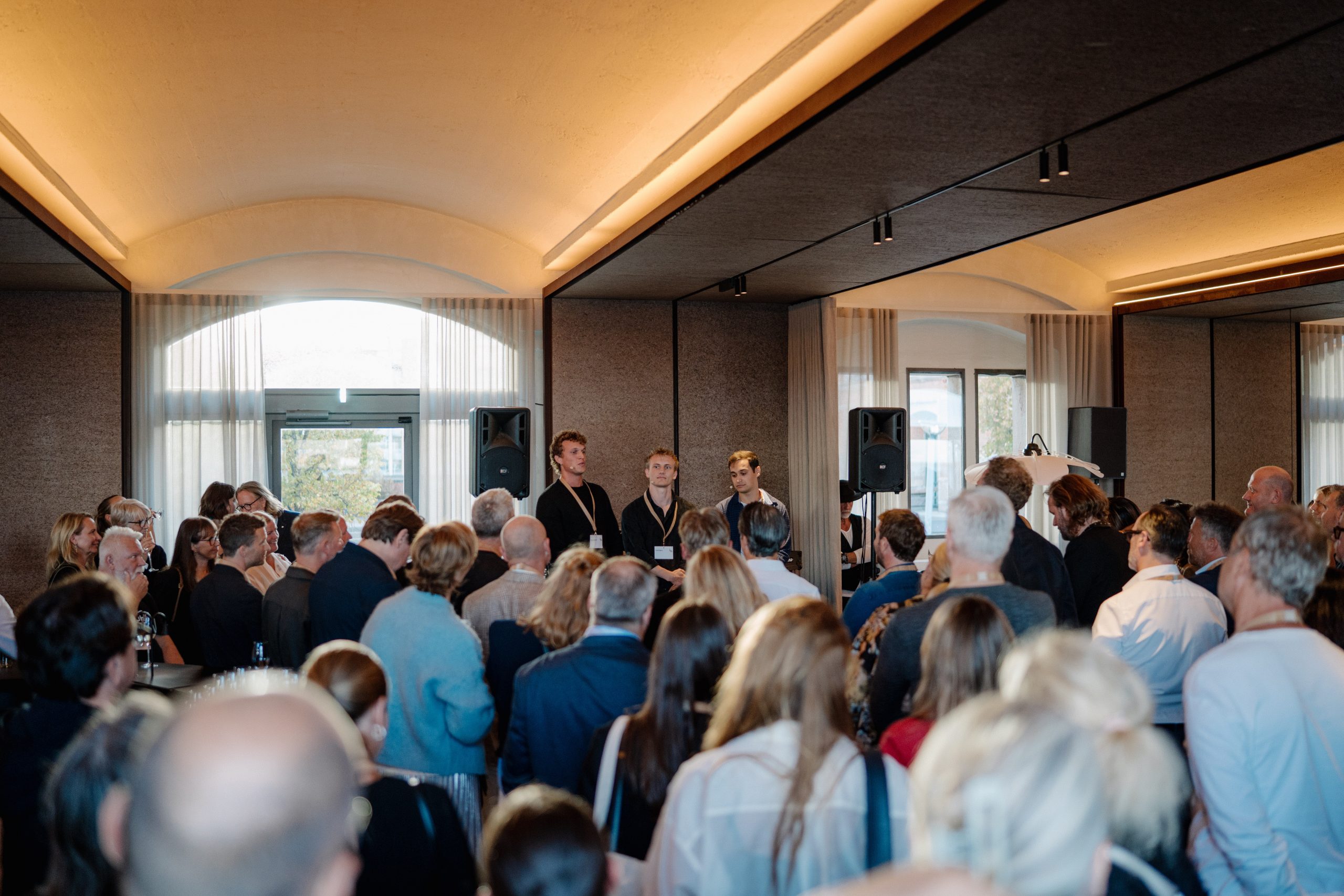
Image Gallery 2026
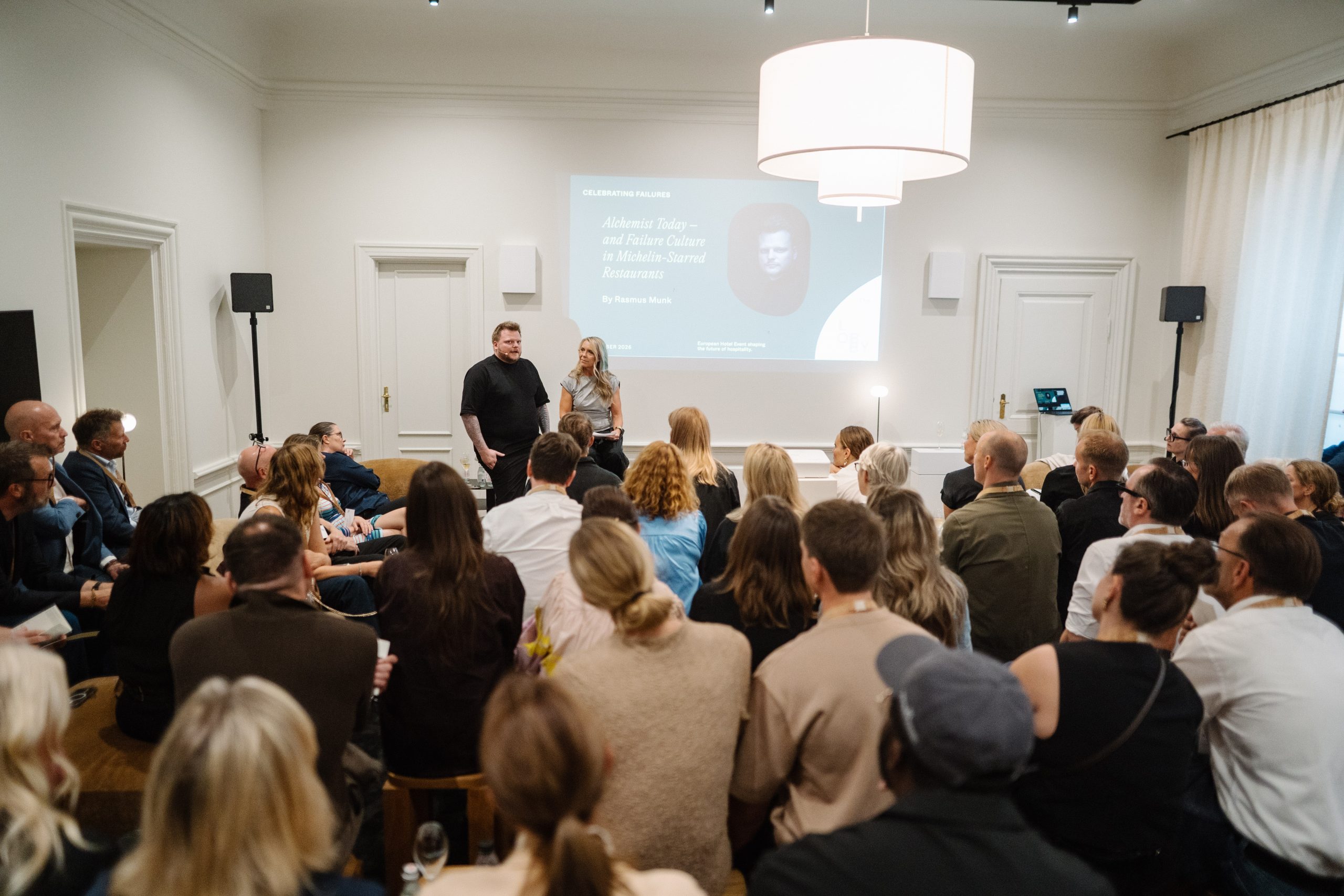
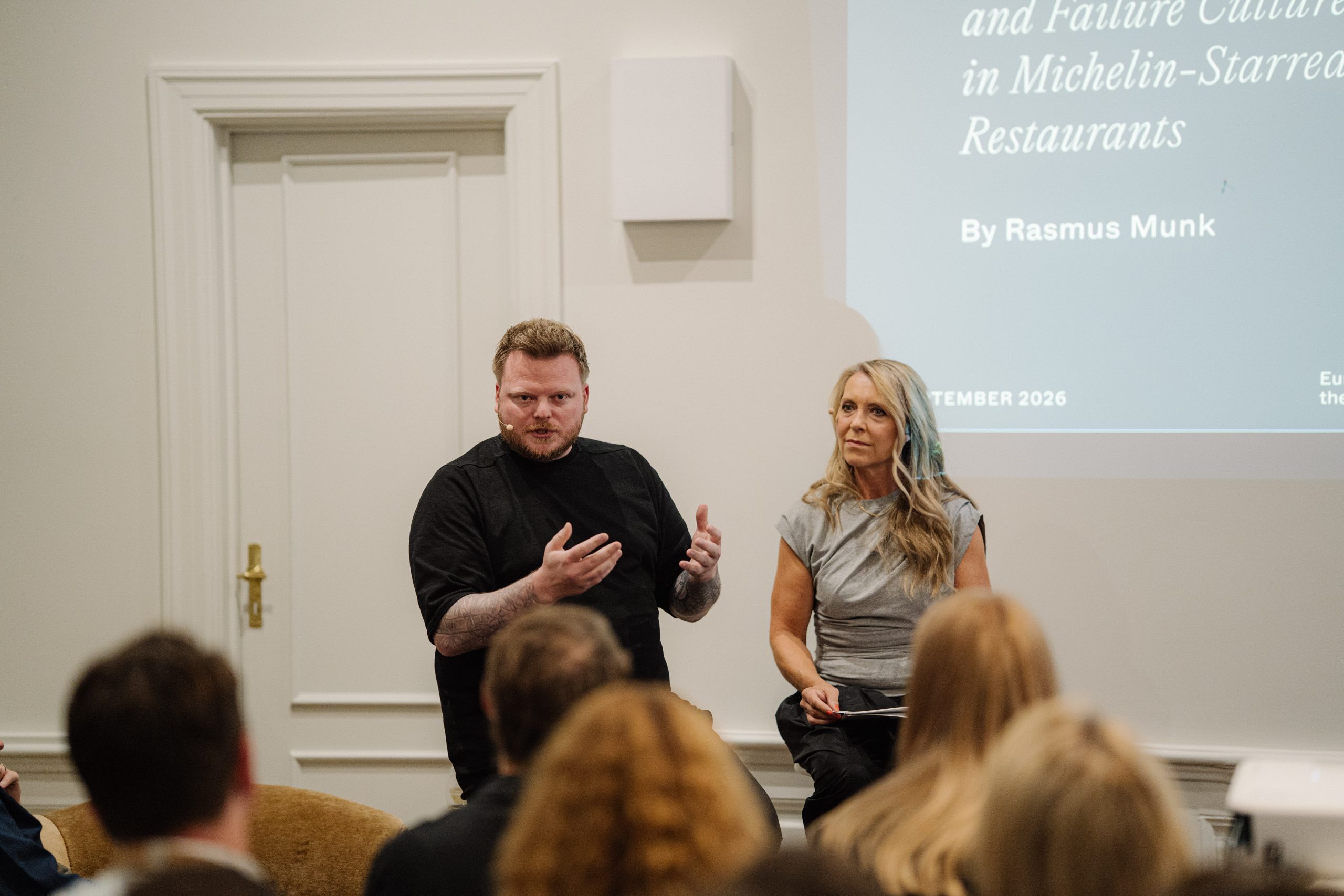
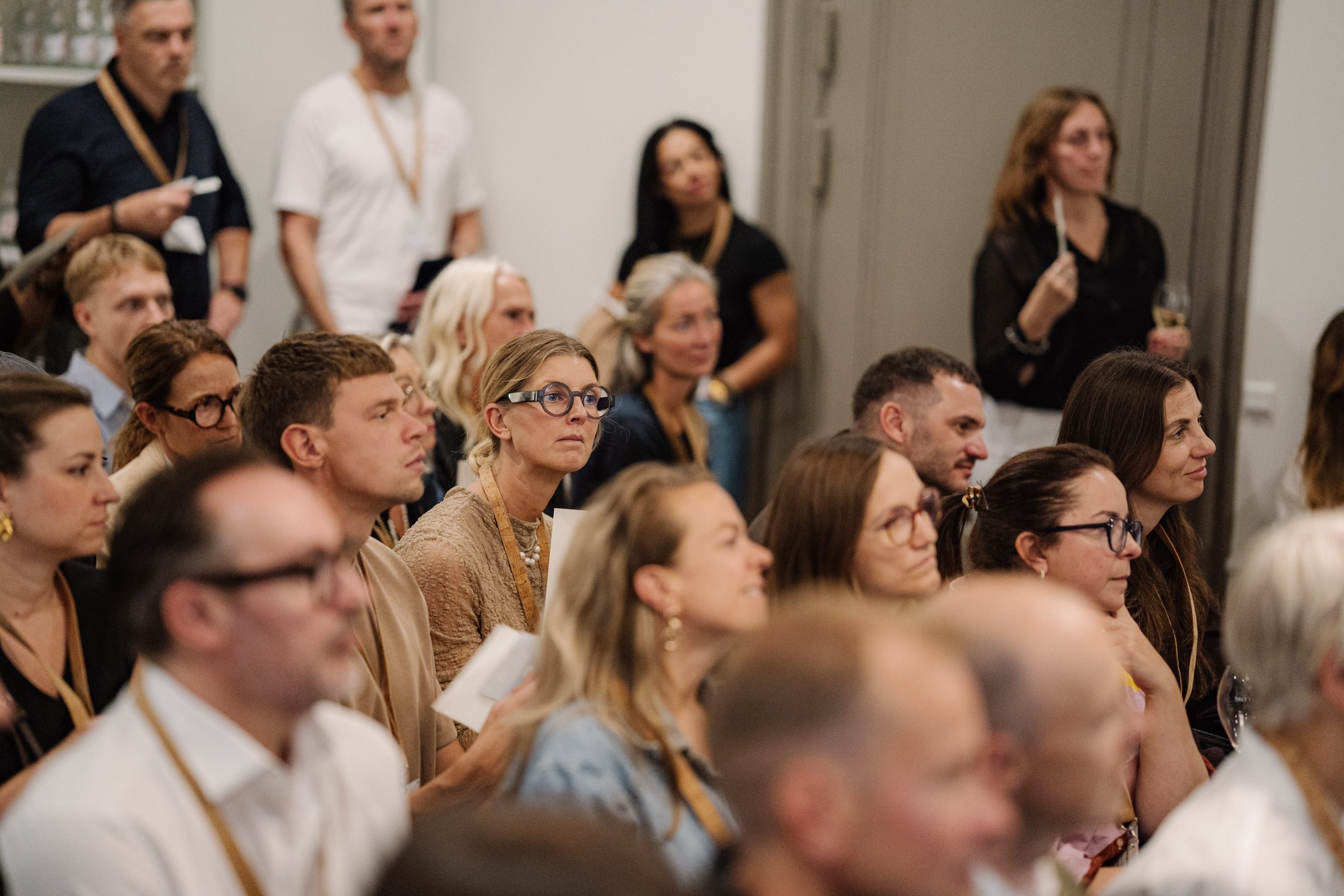
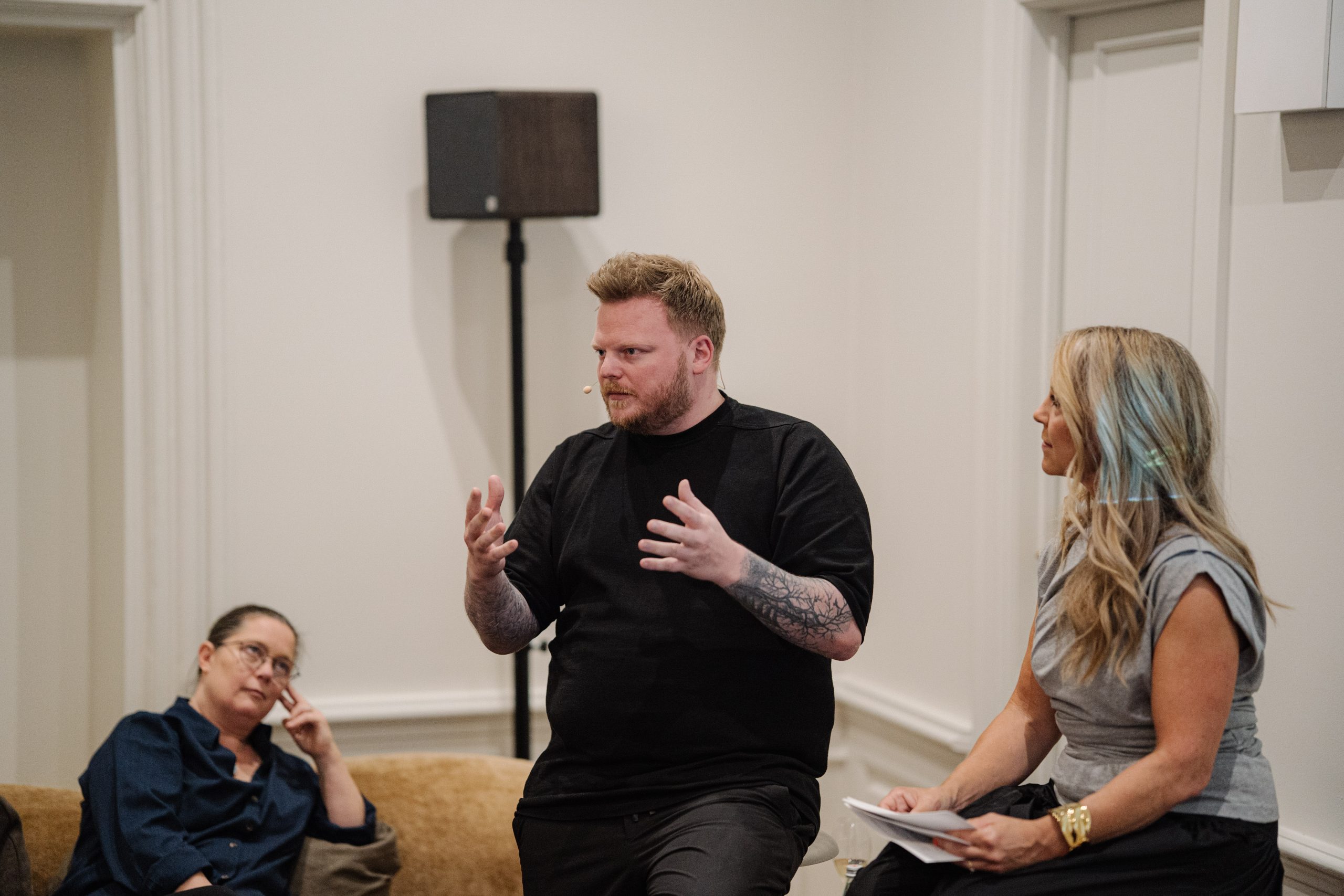
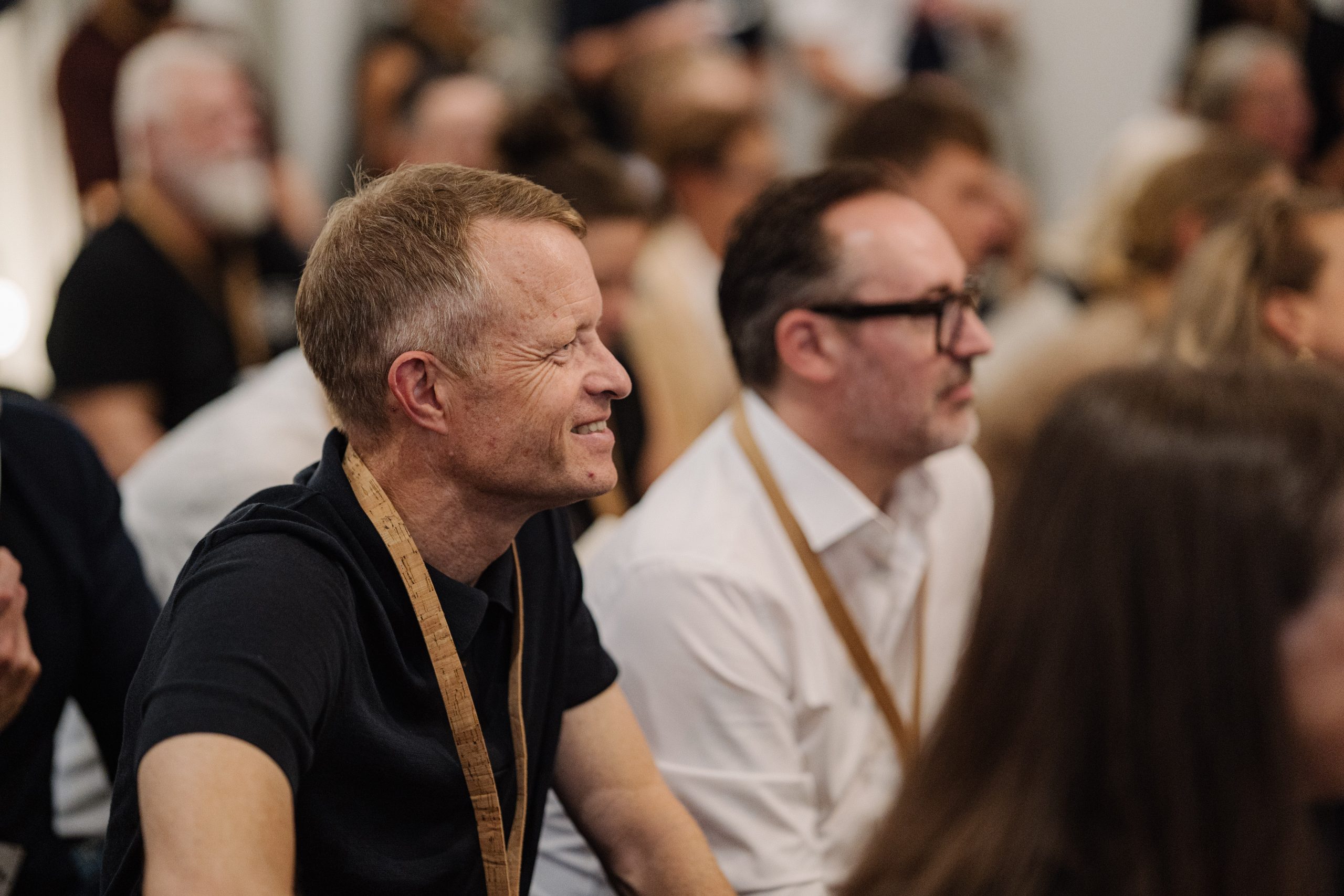
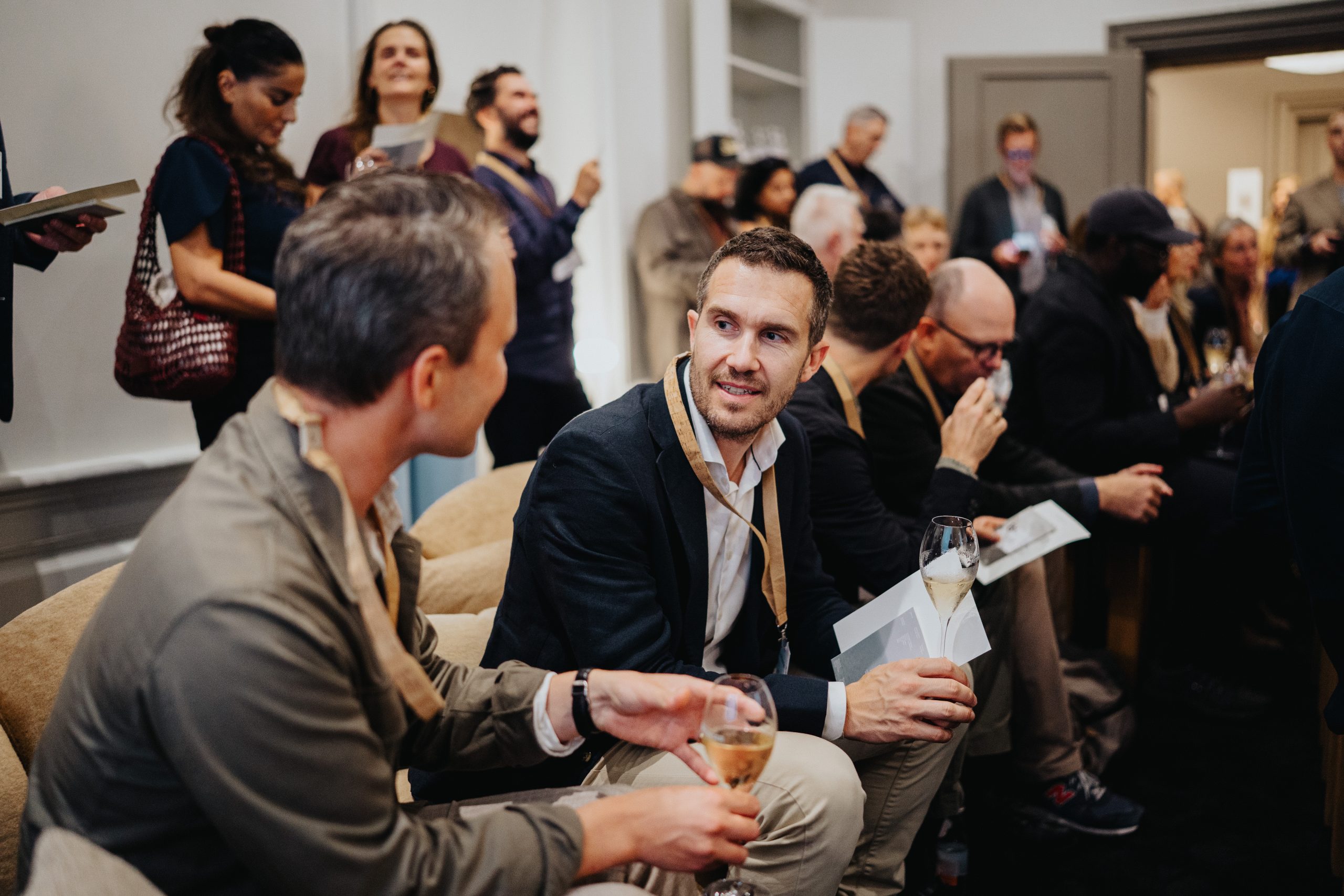
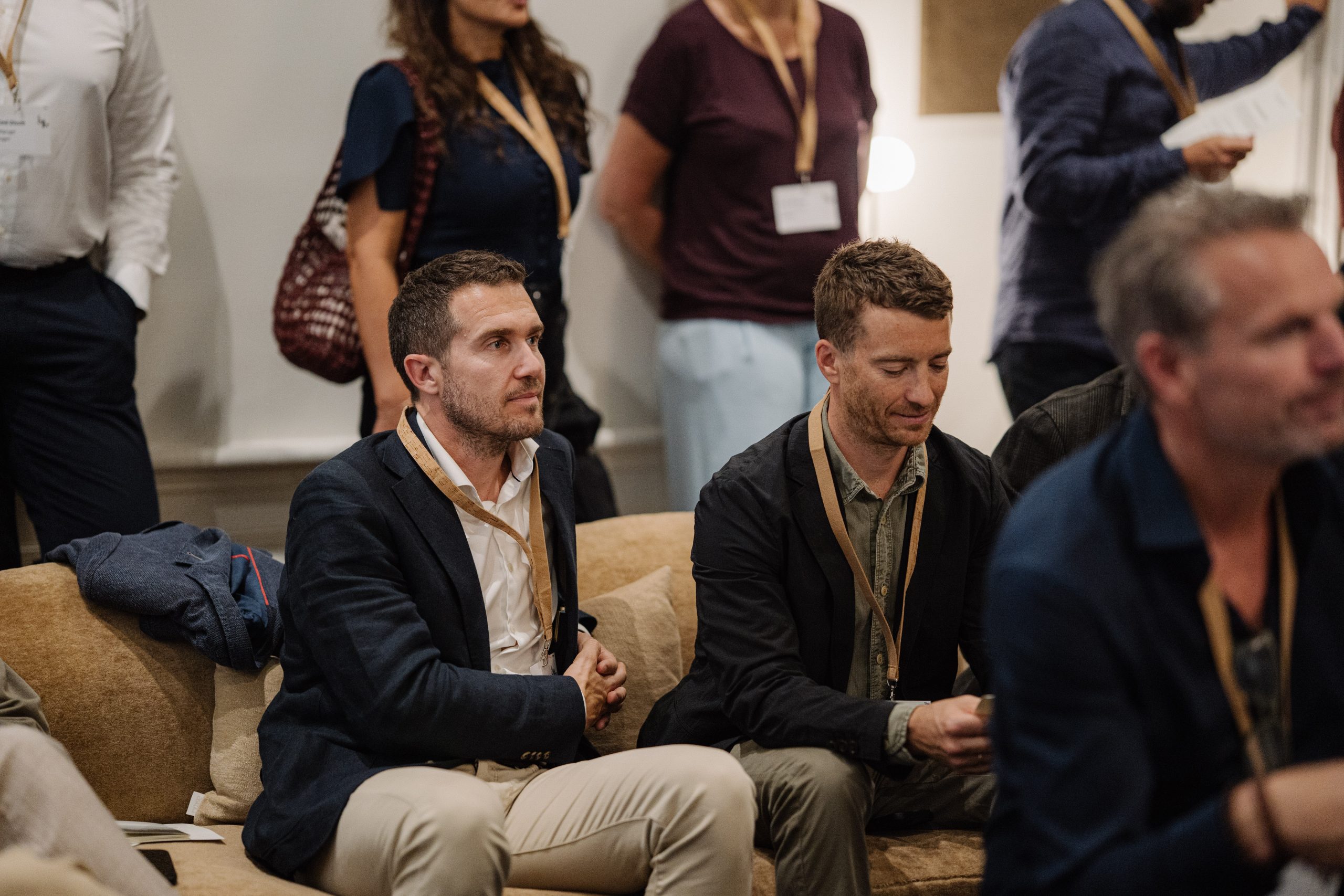
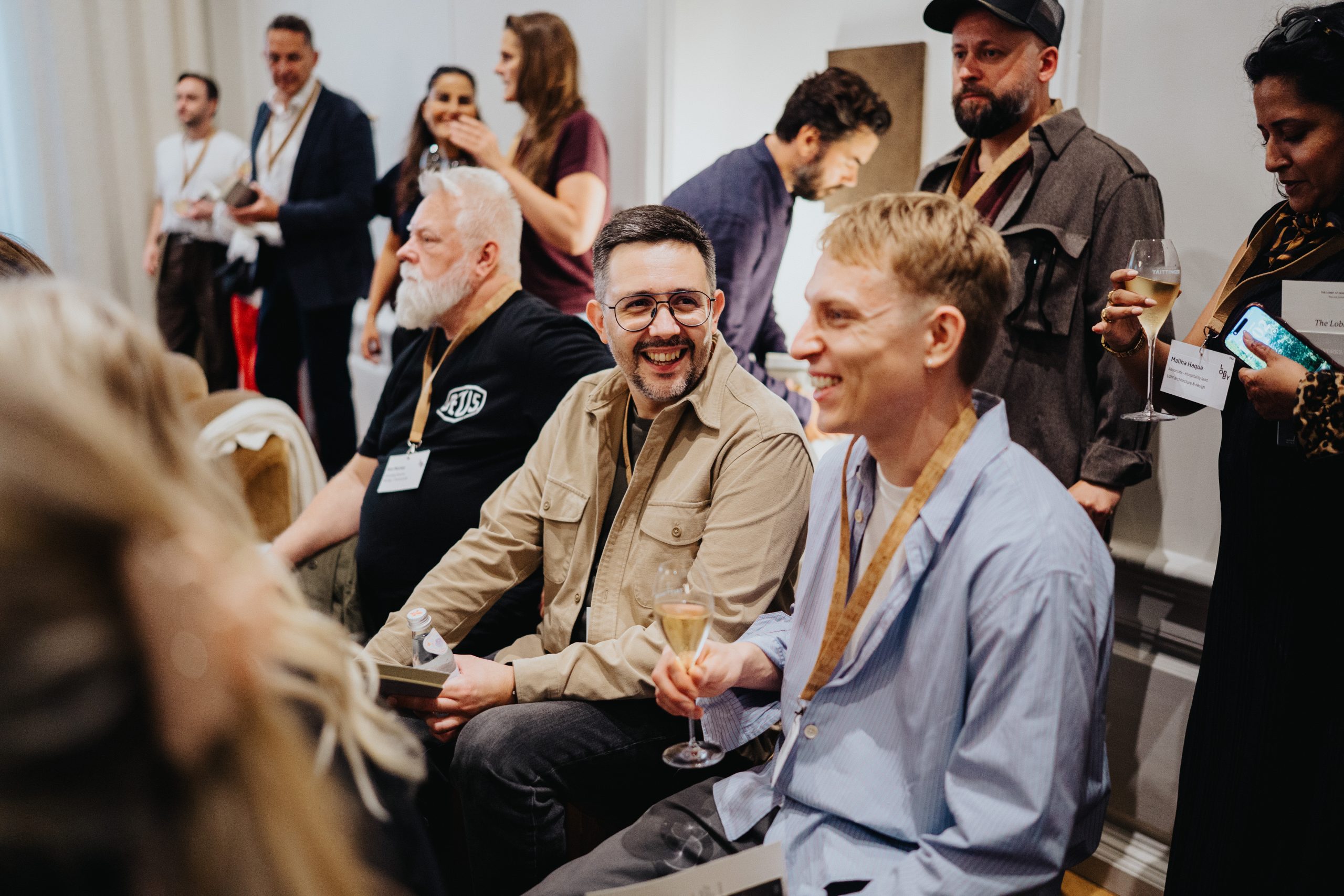
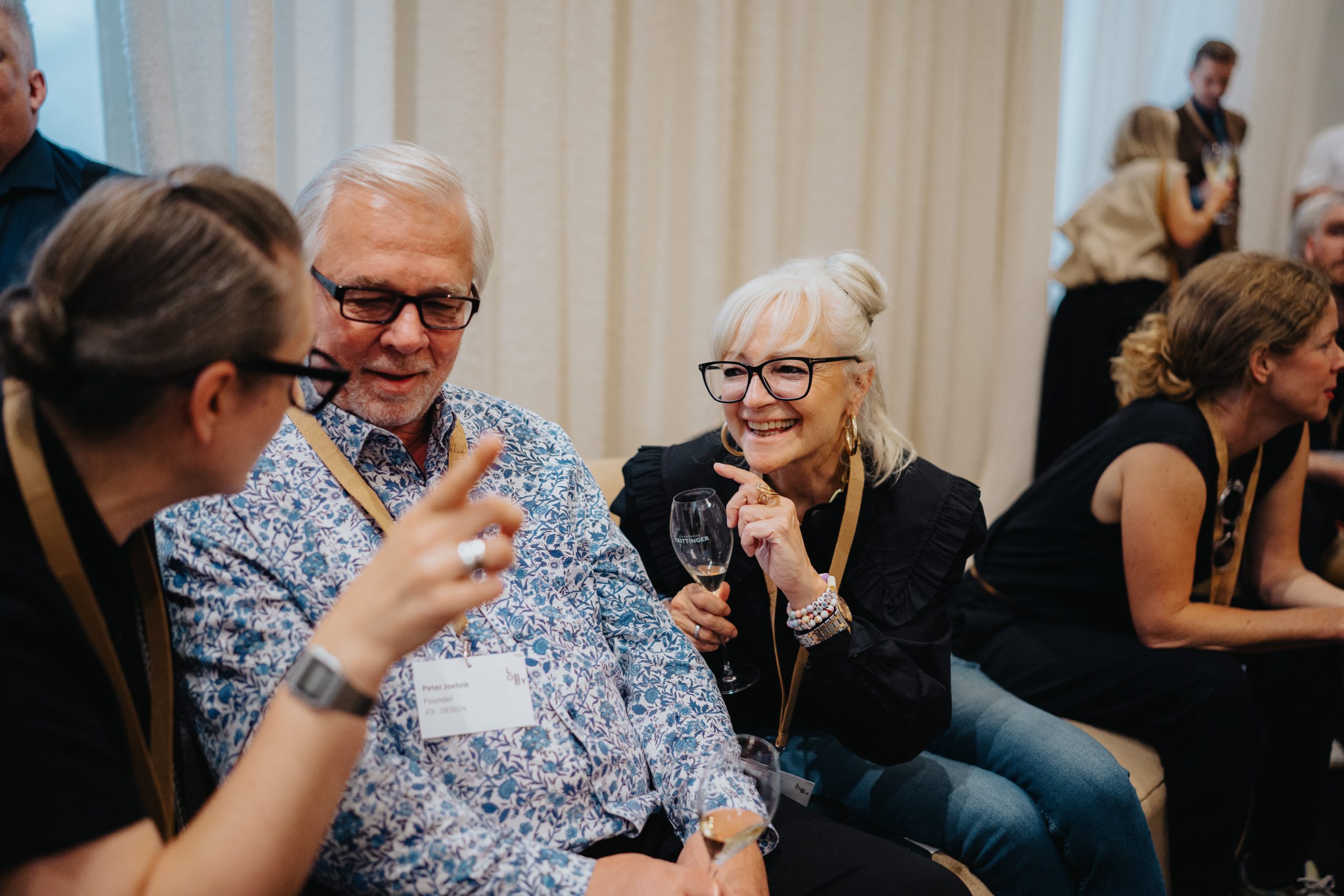
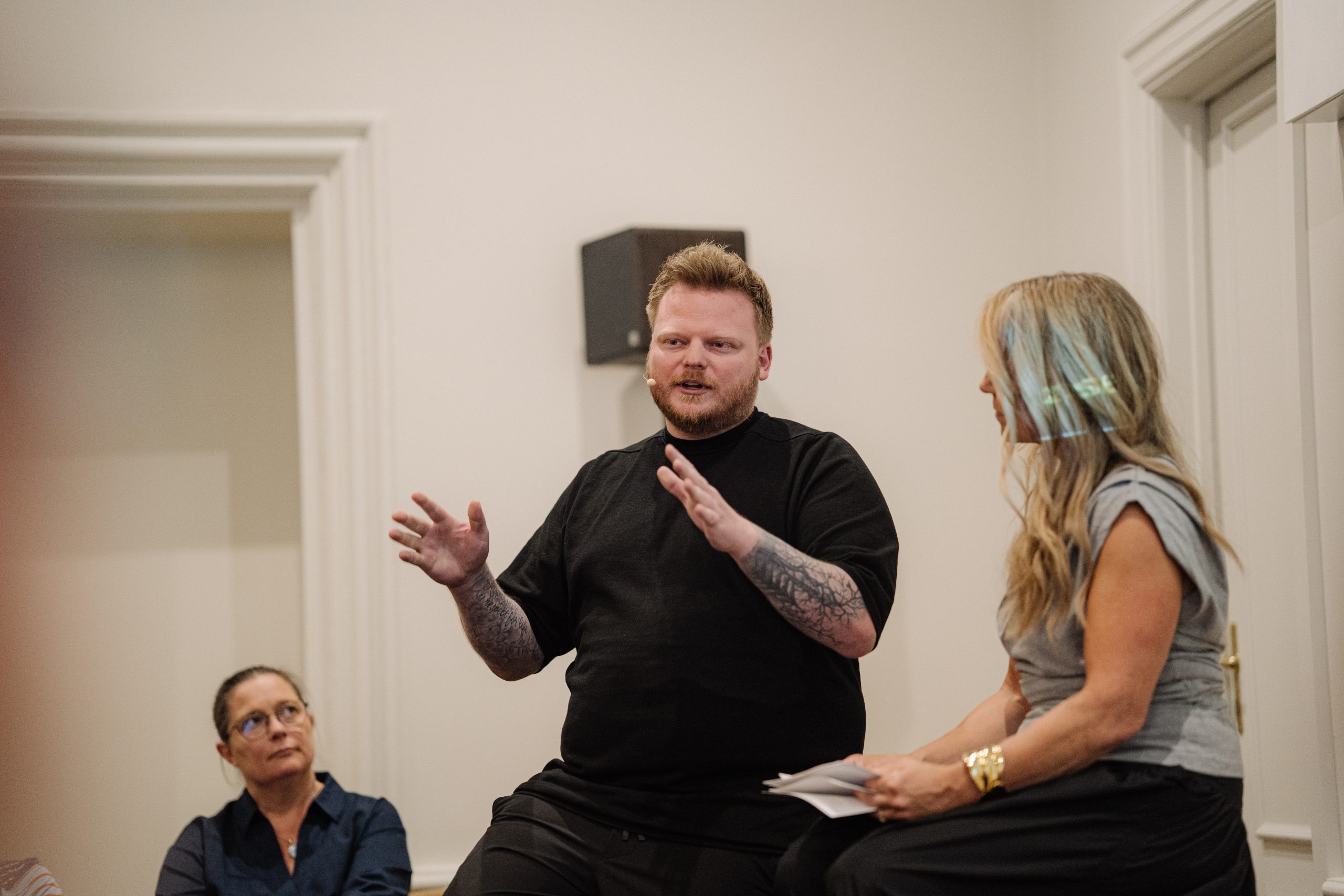
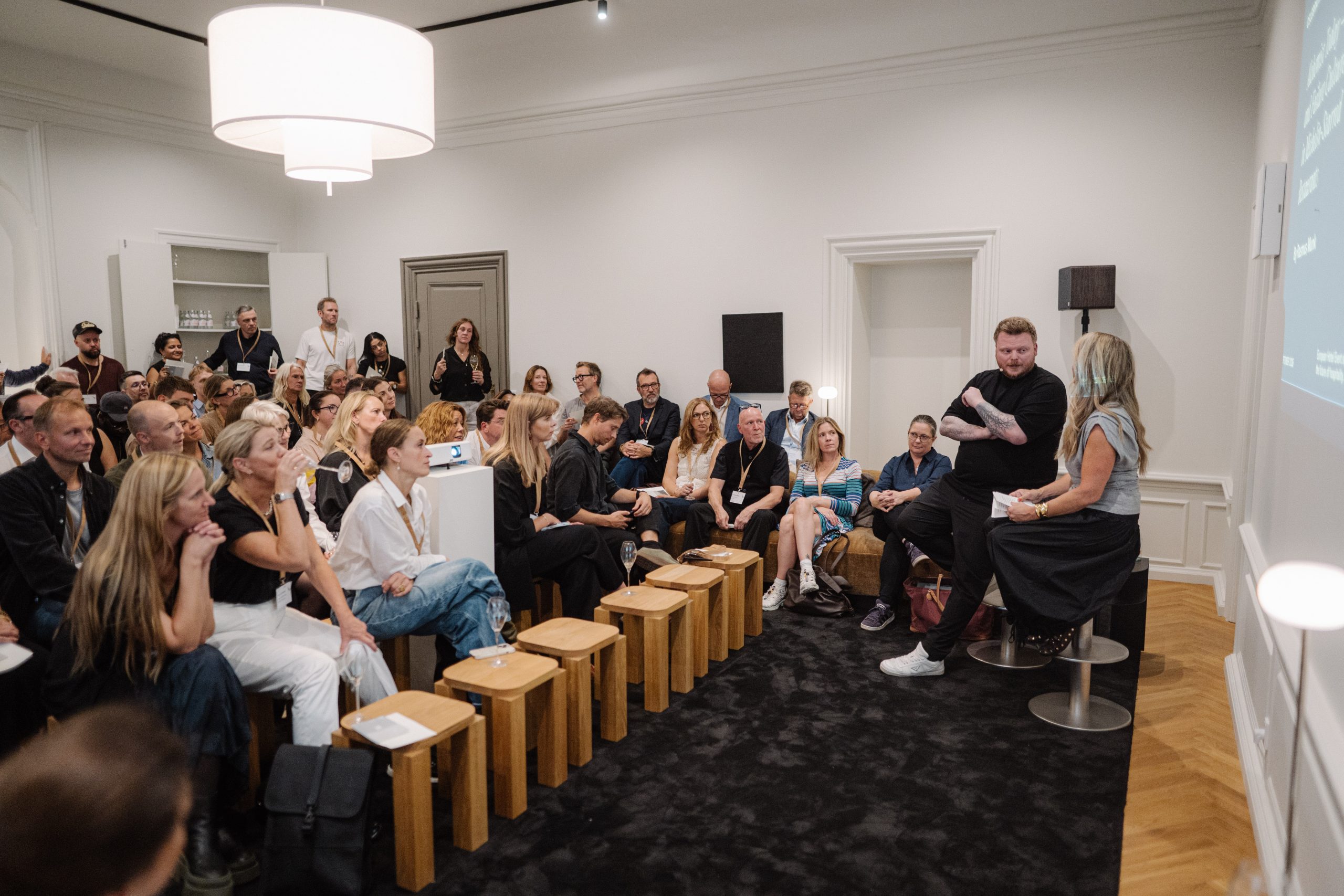
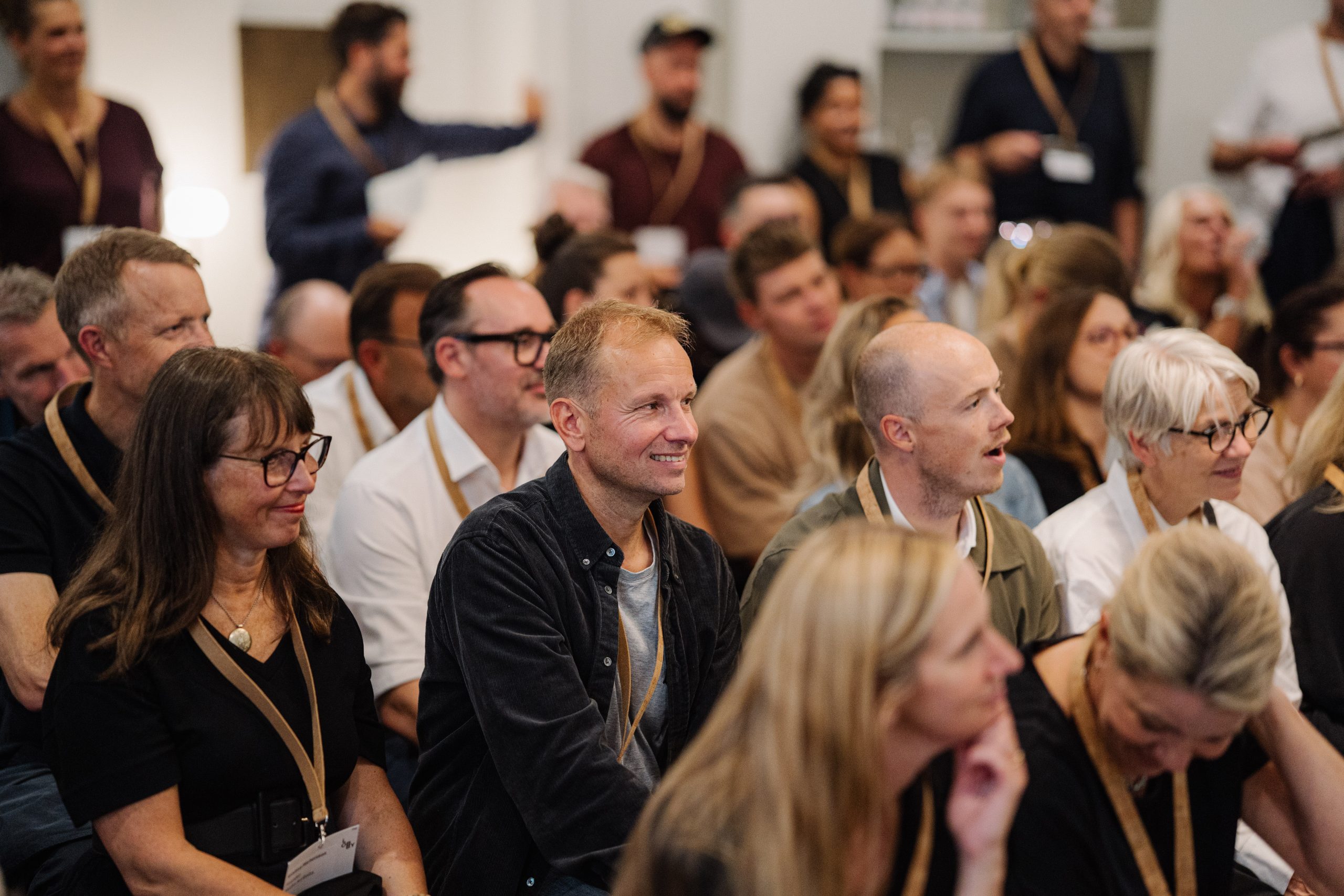
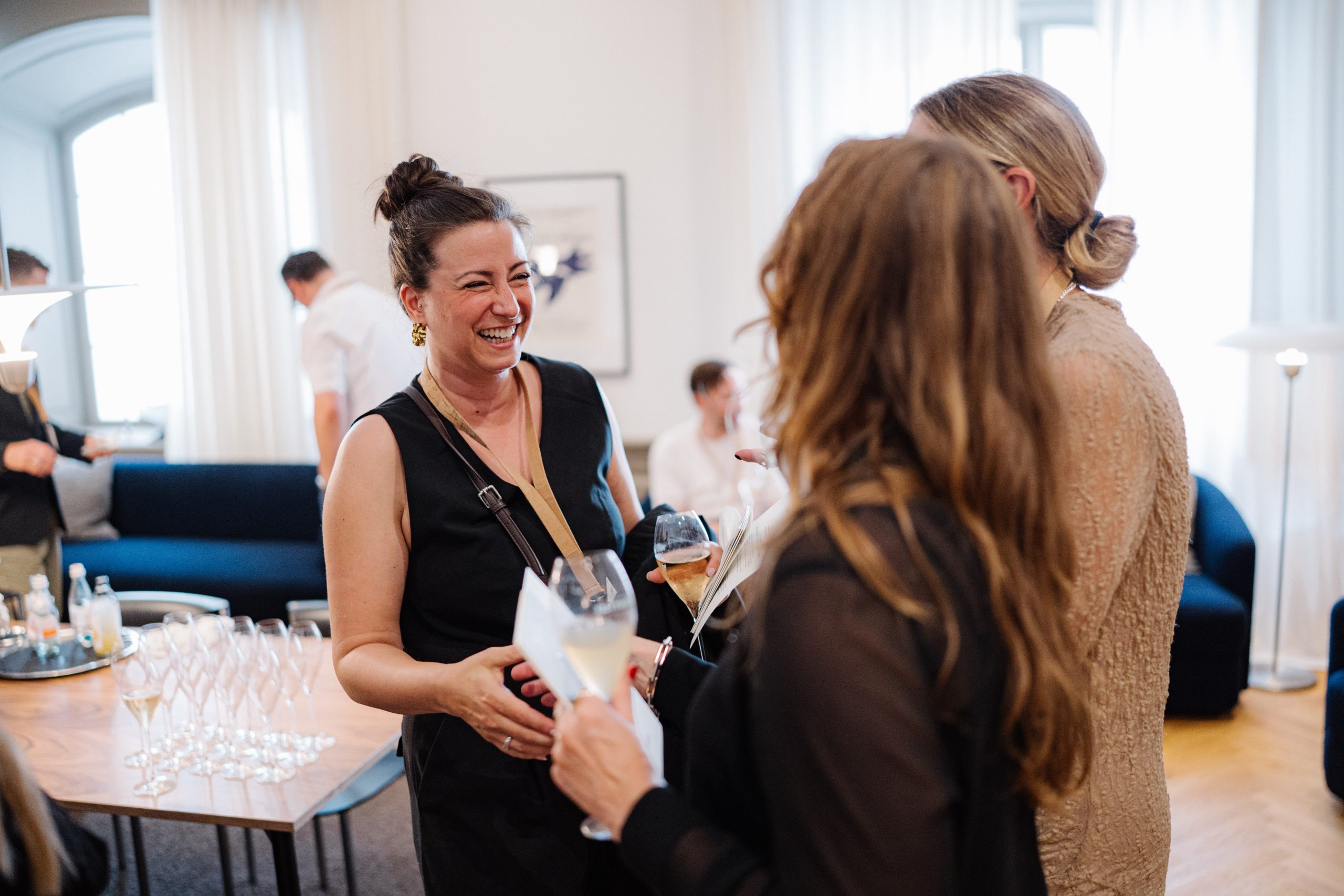
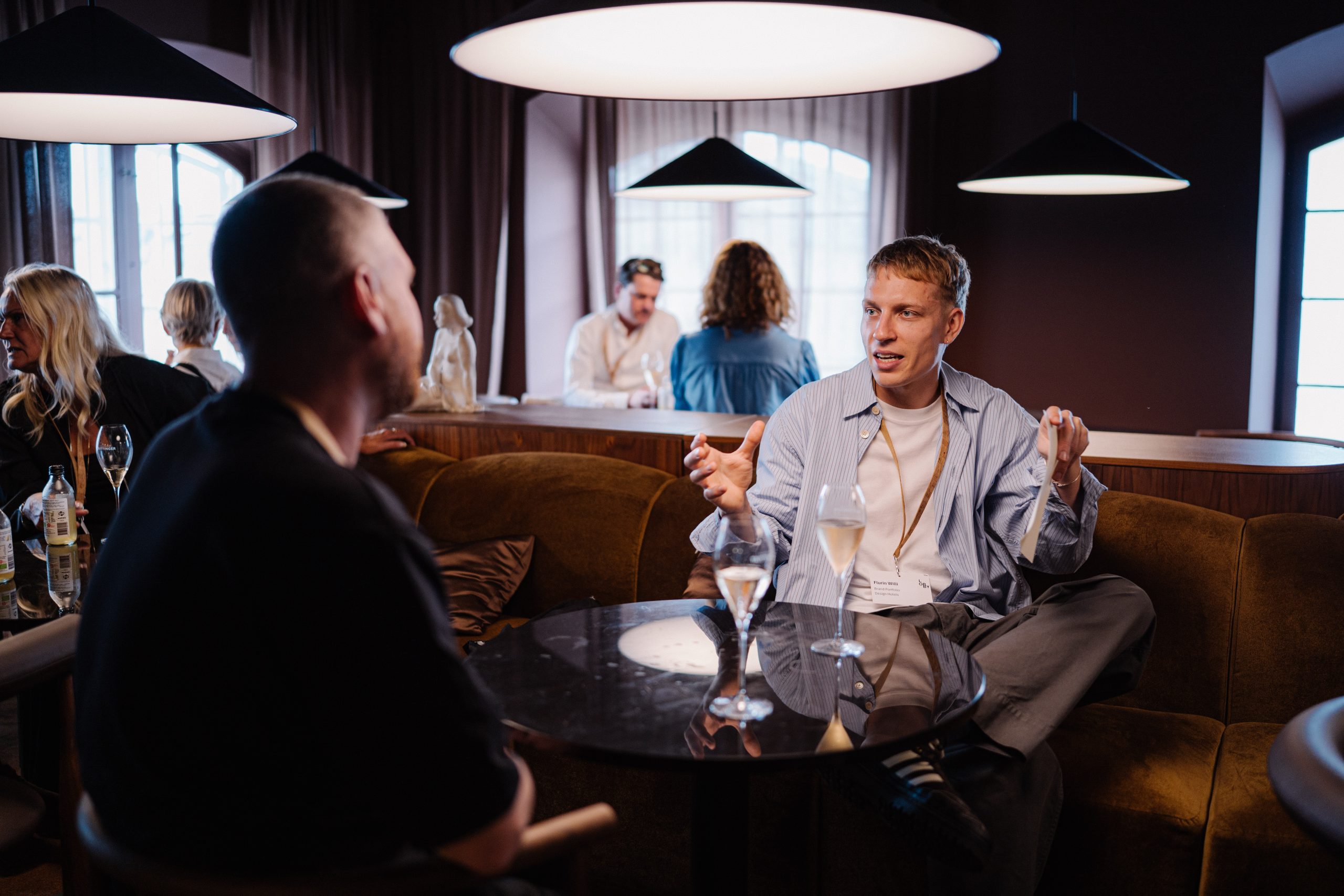
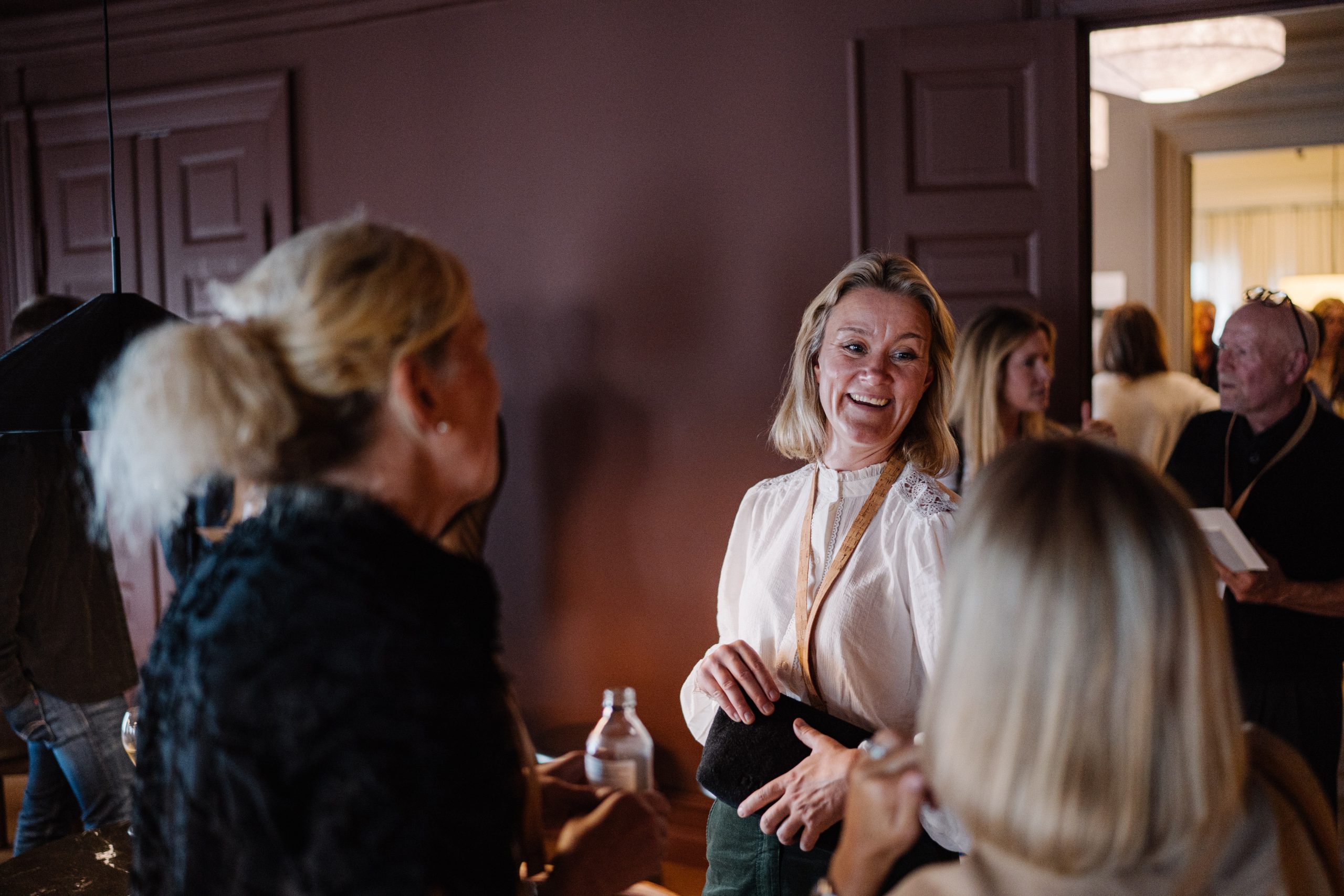
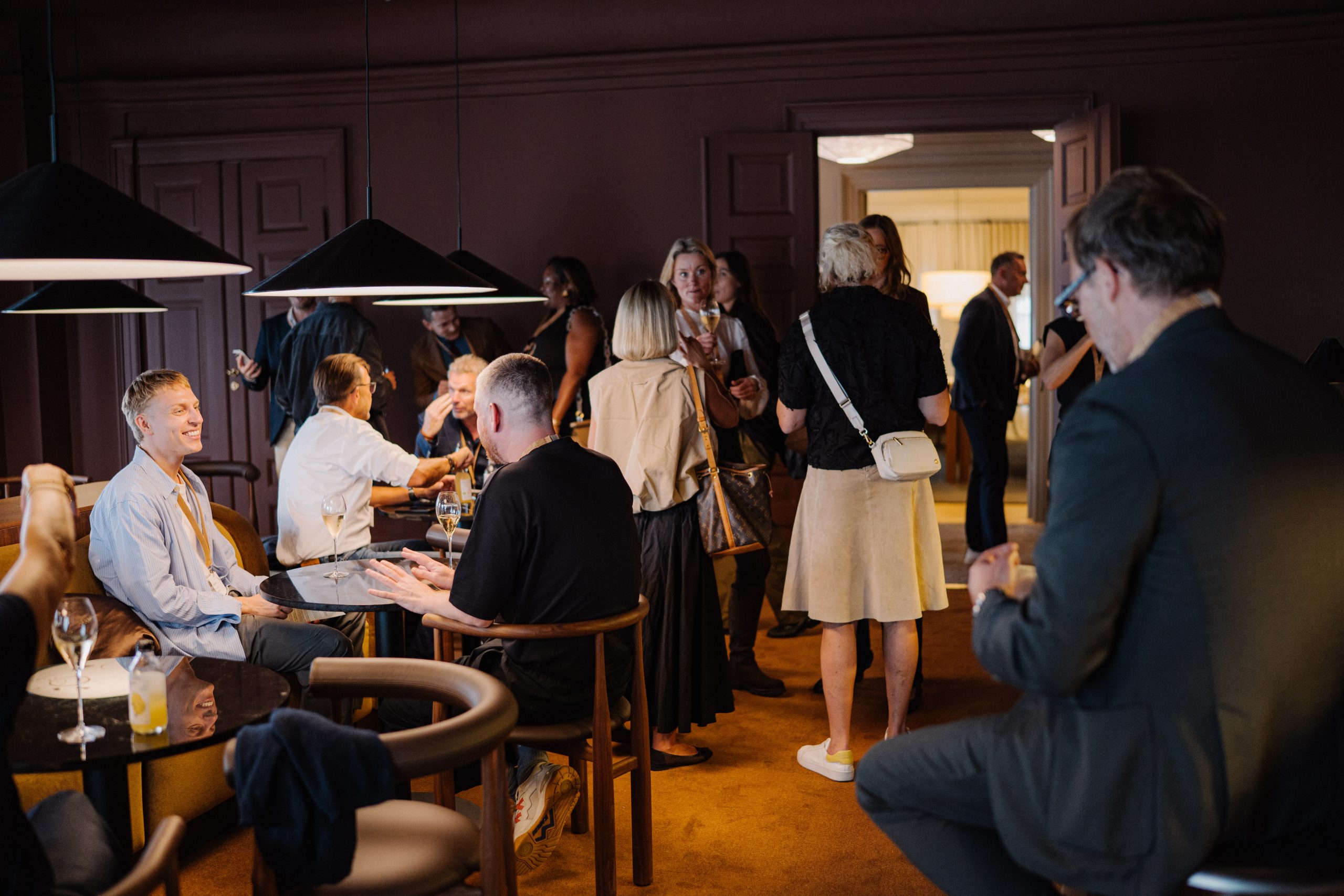
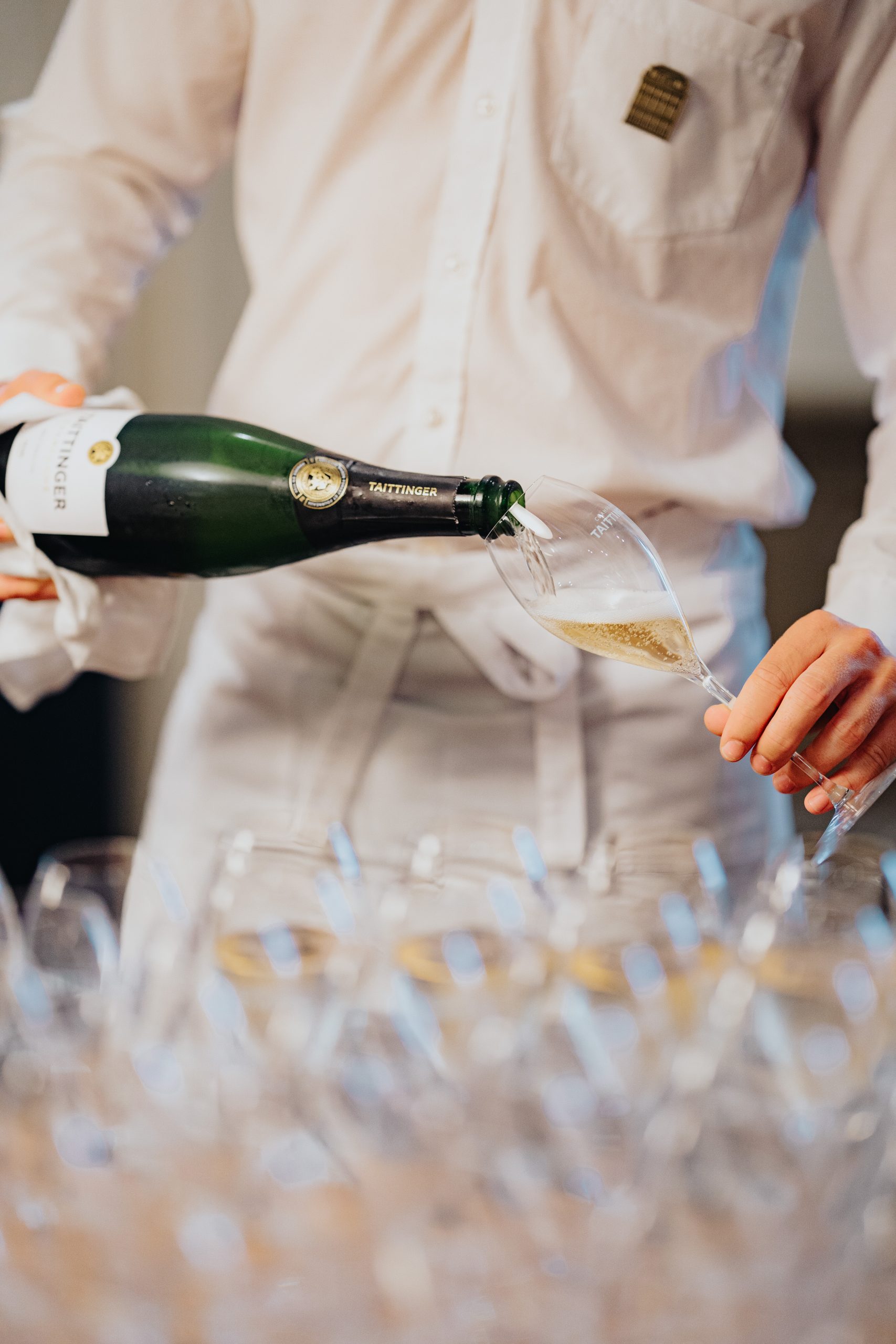
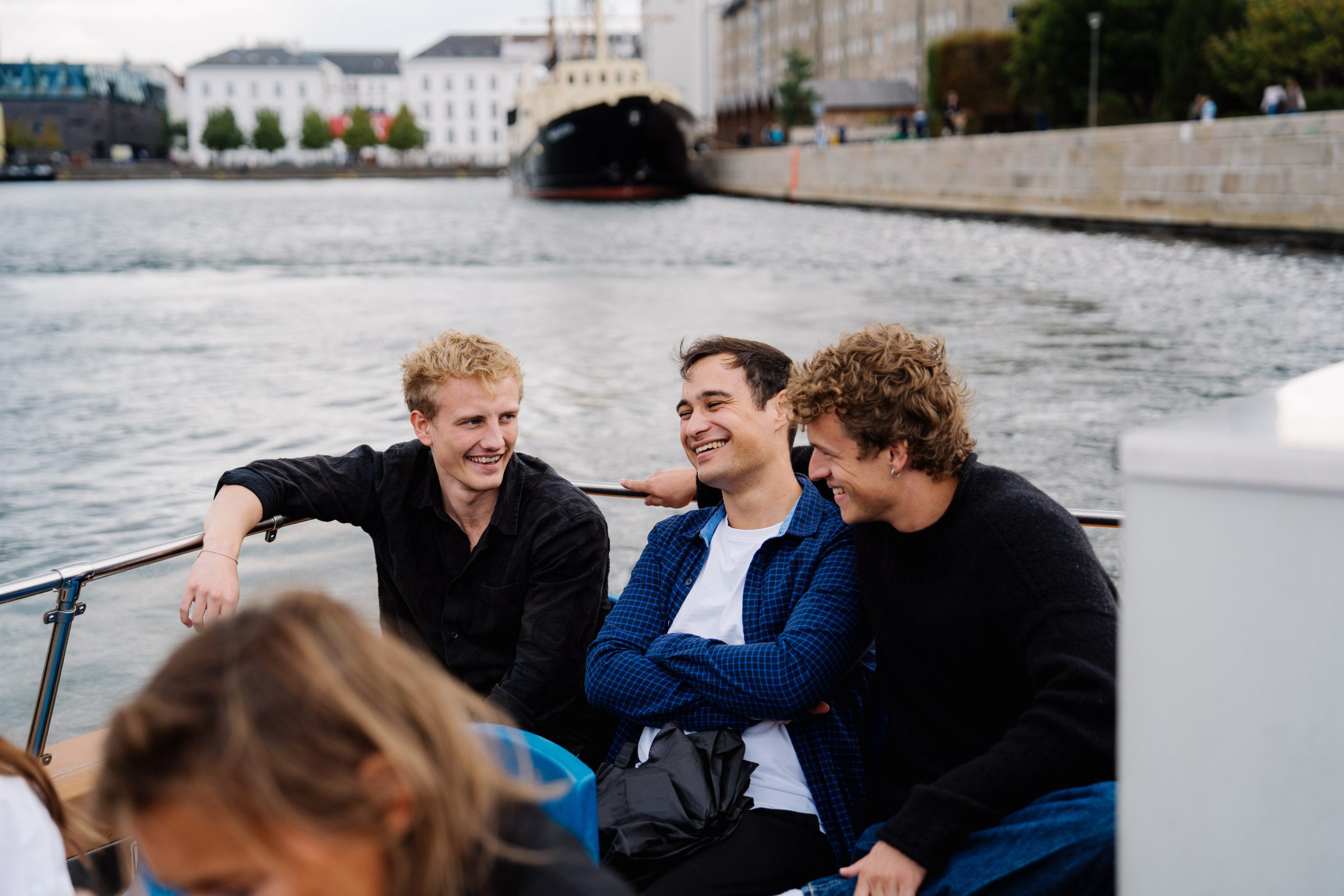
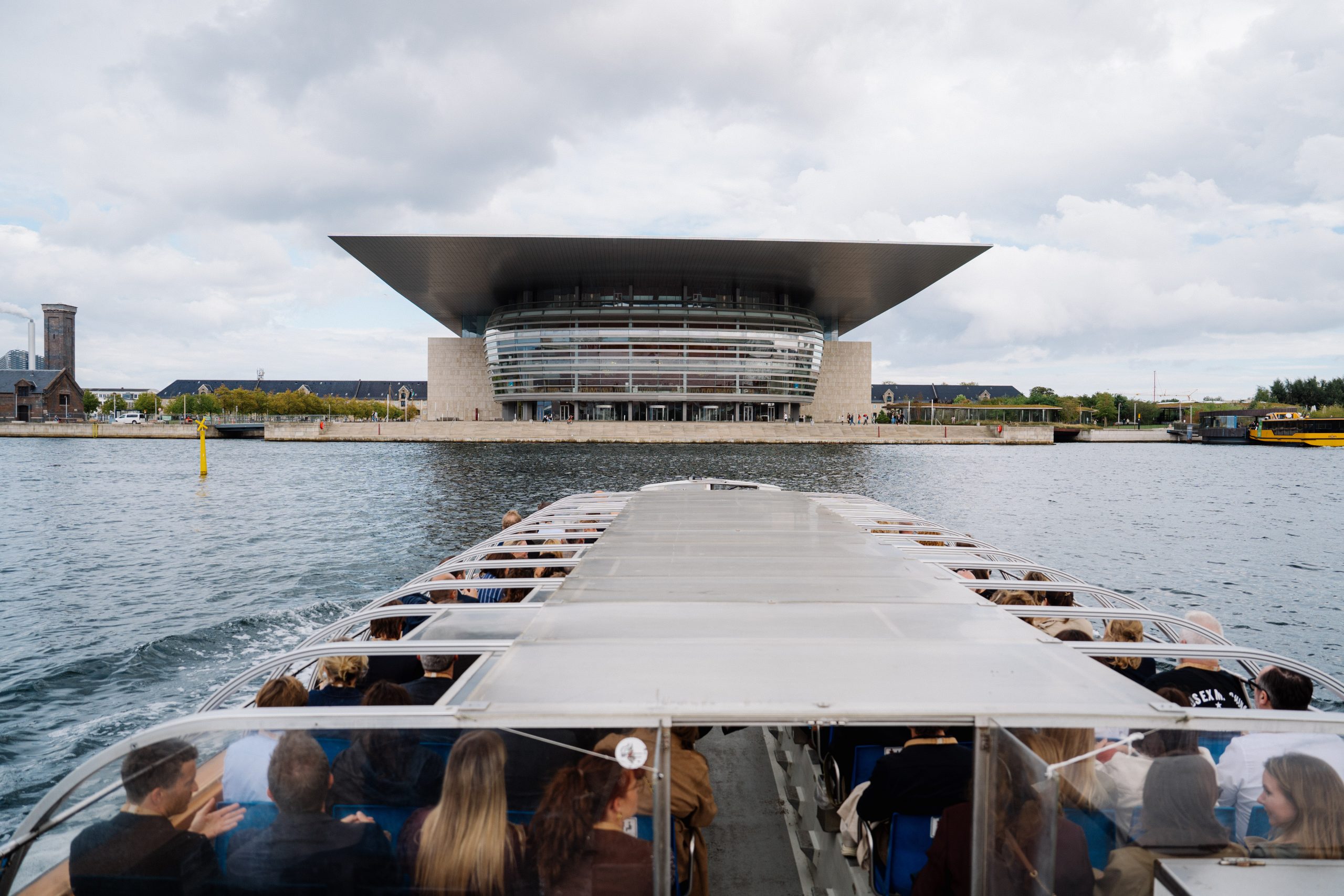
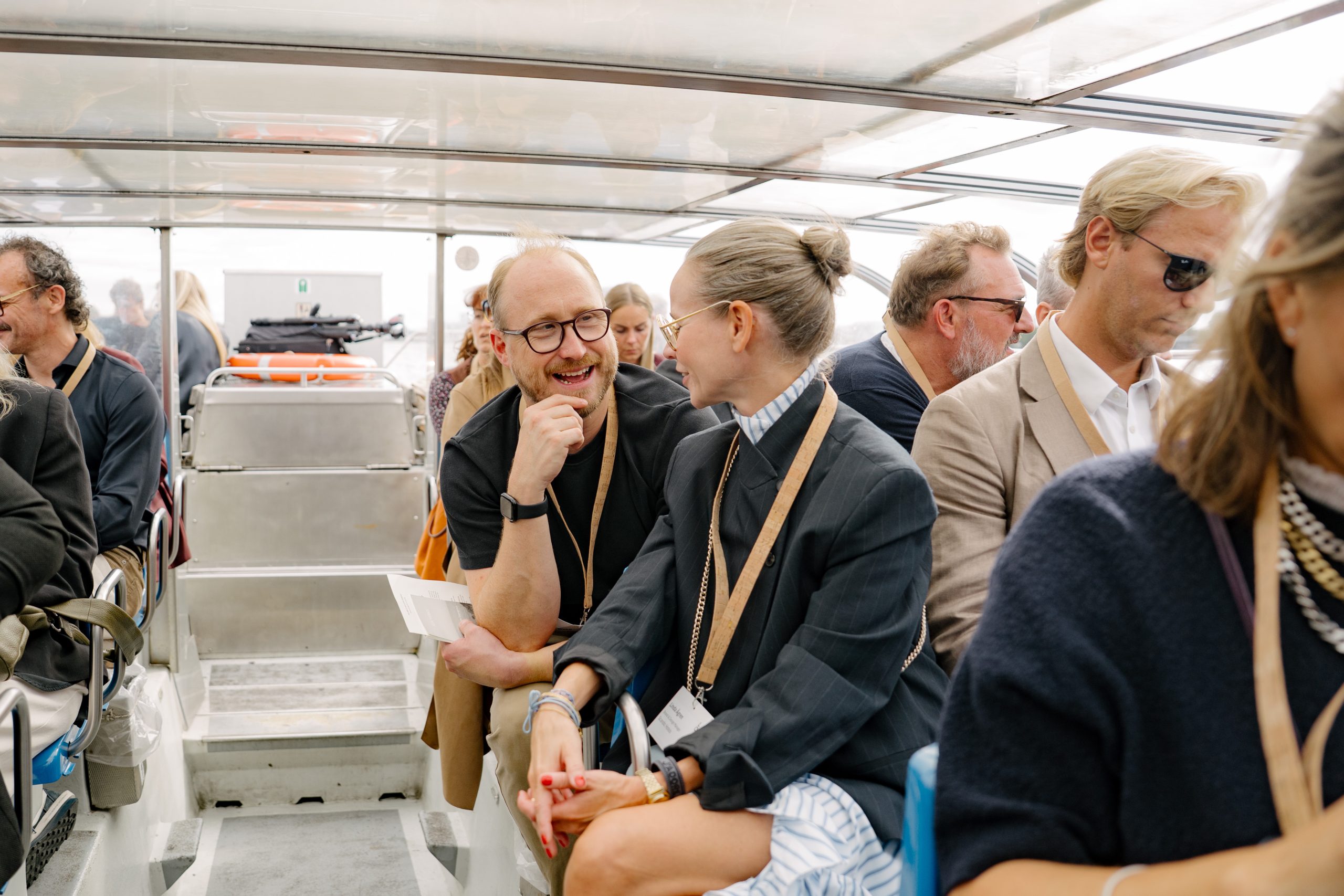
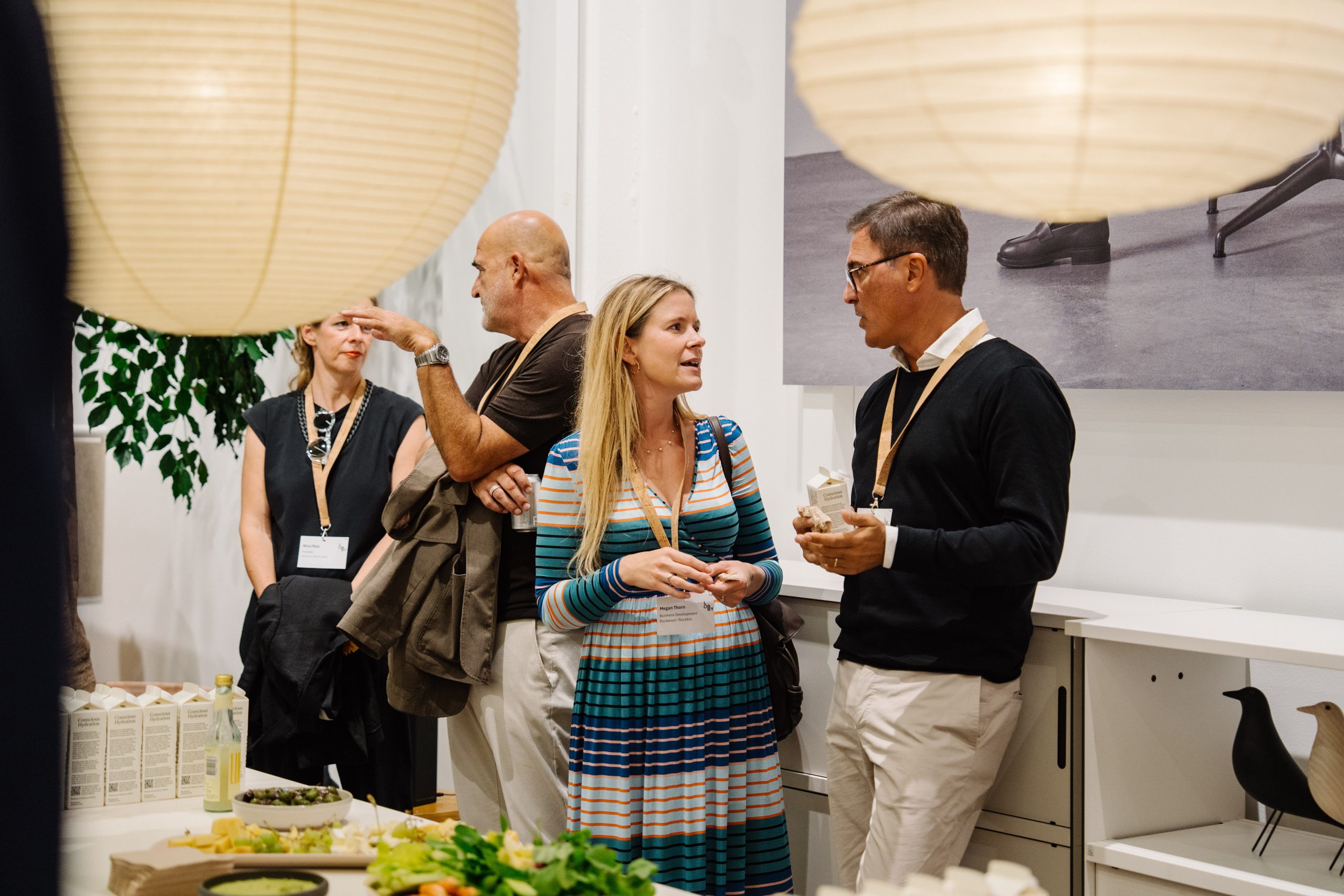
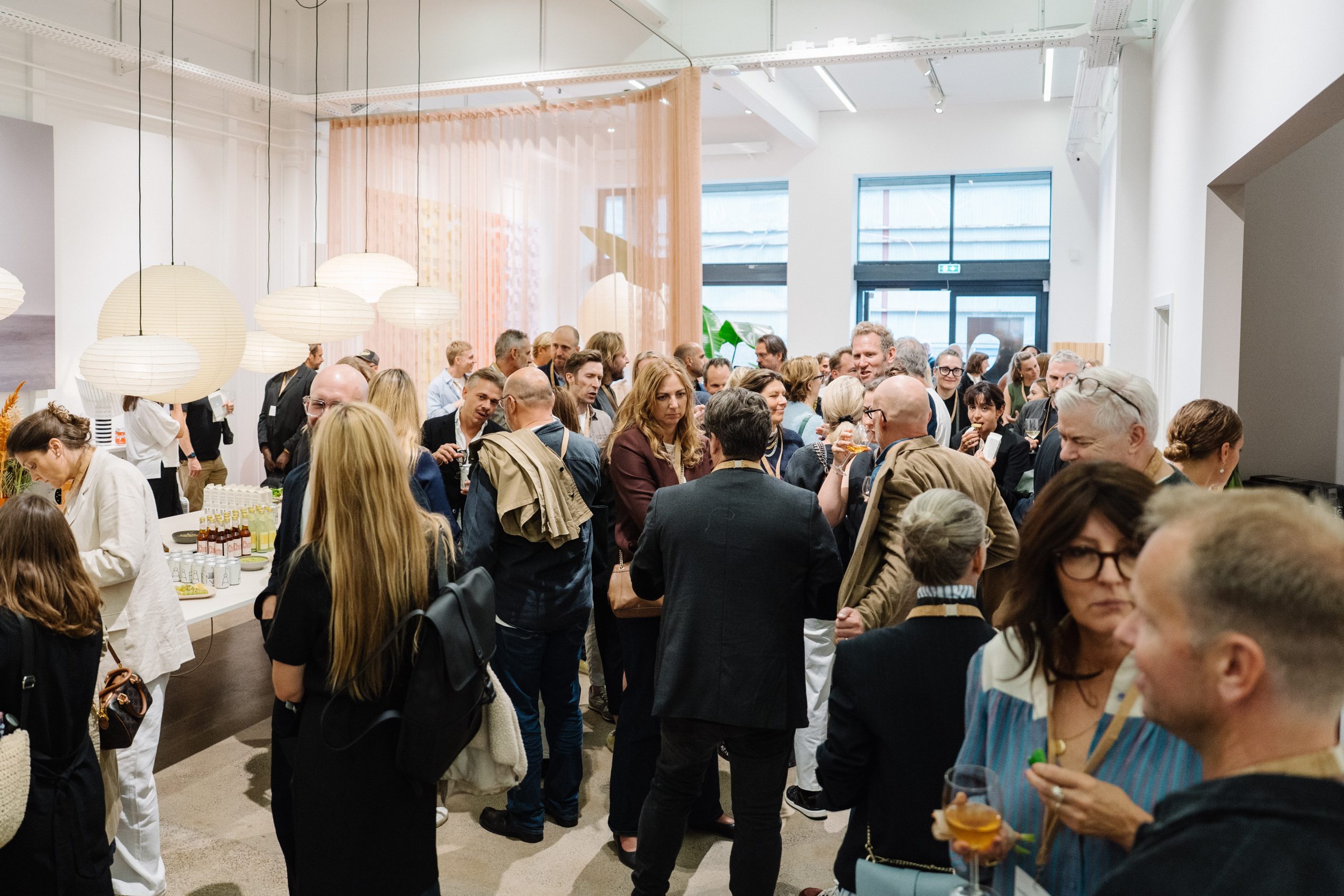
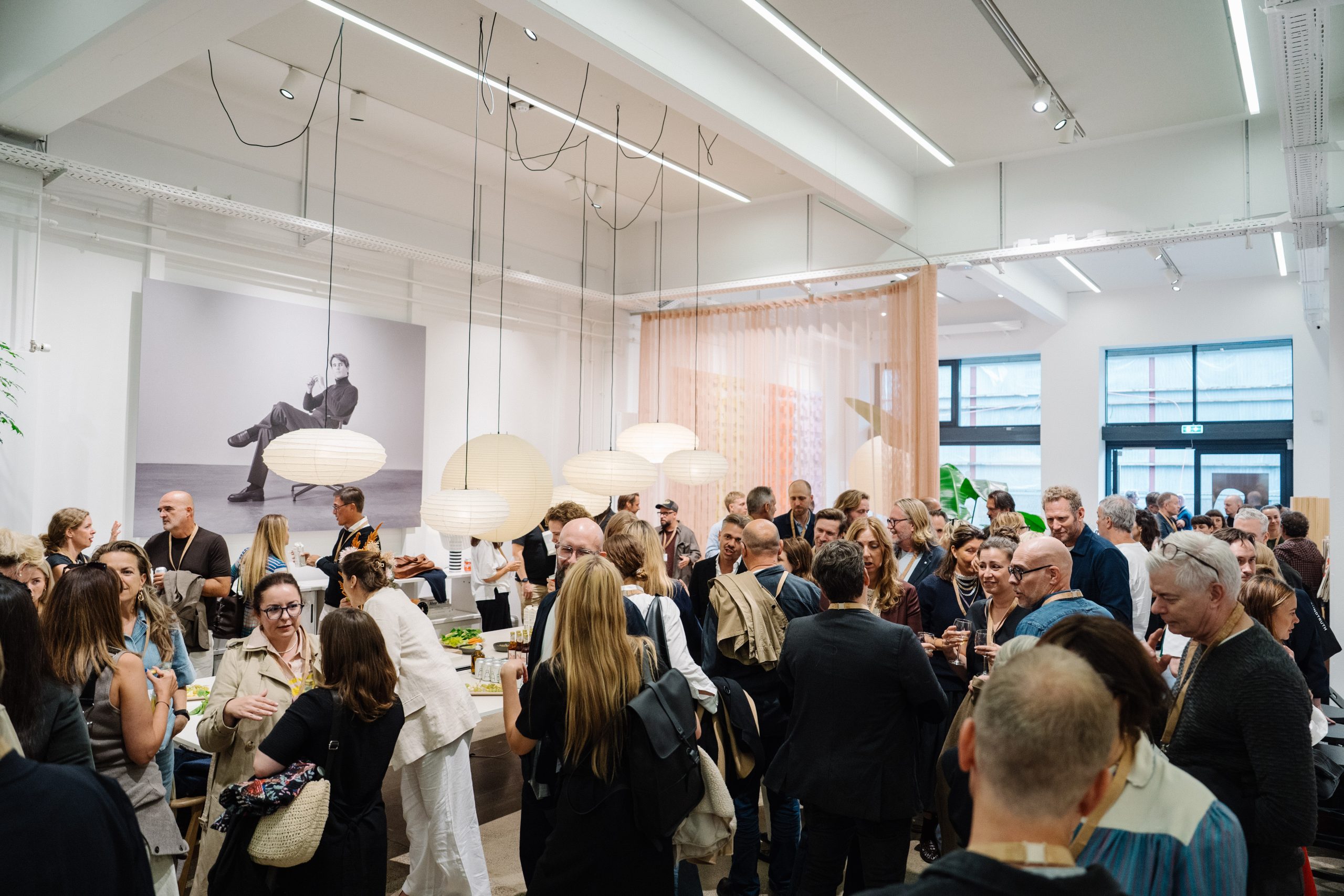
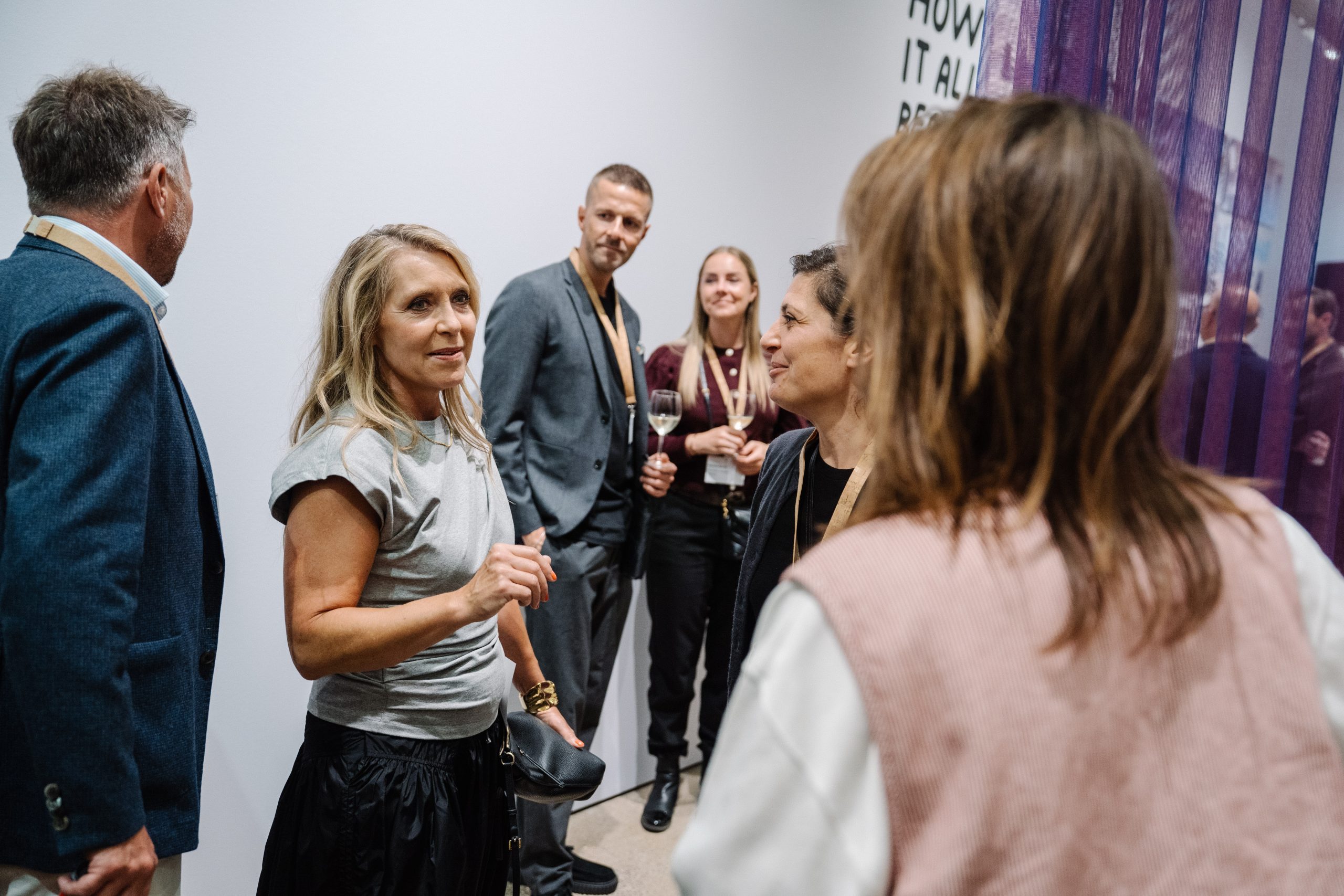
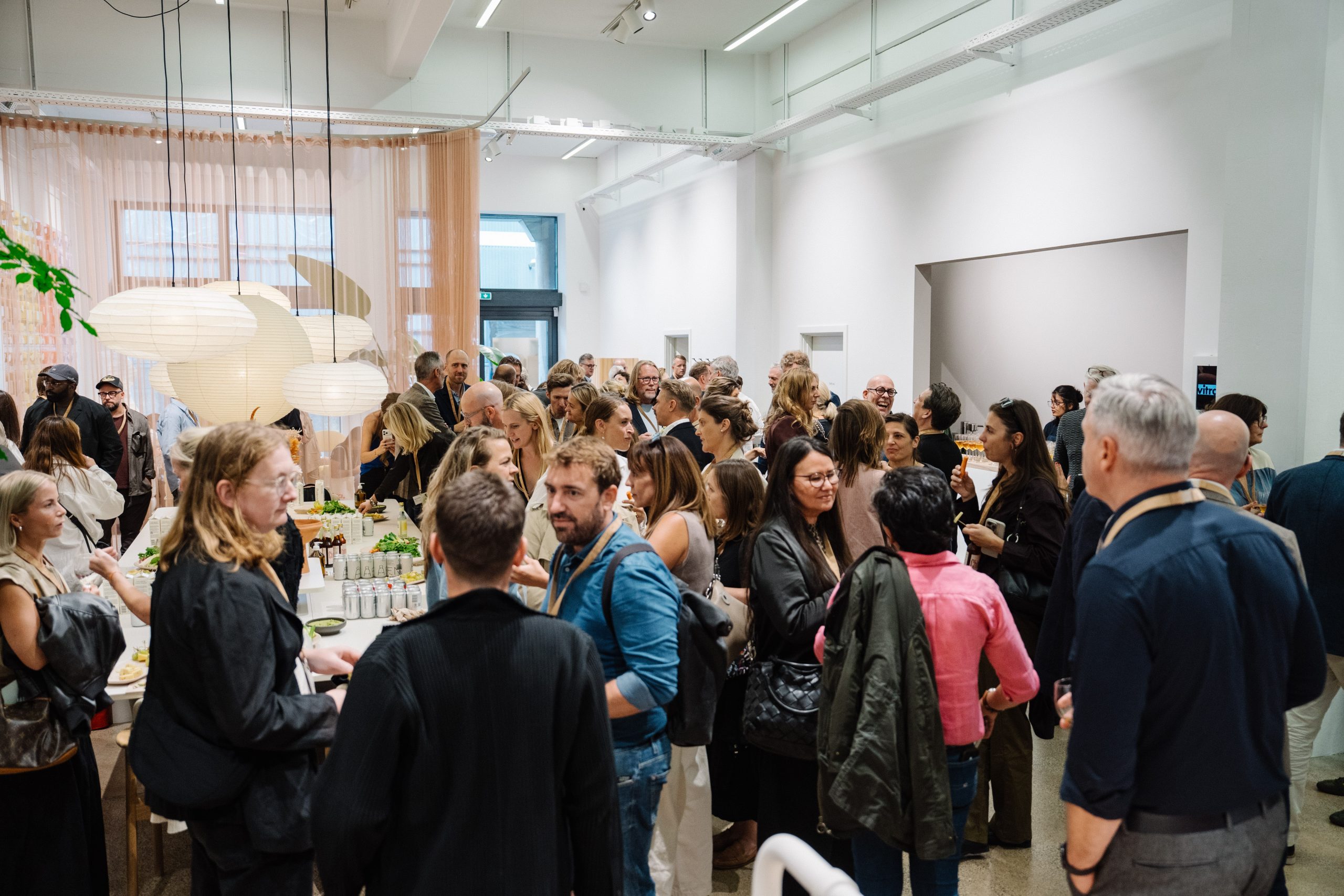
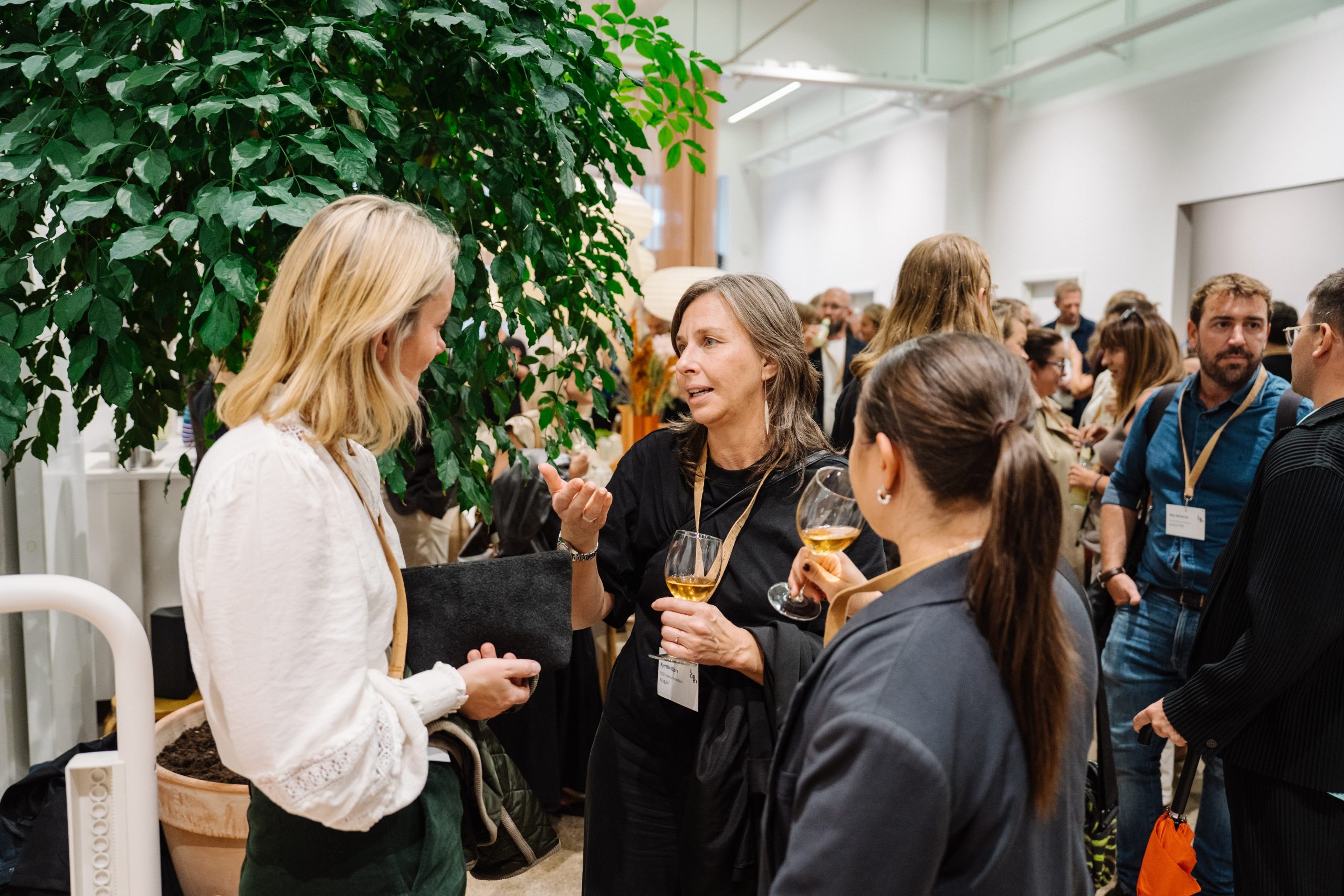
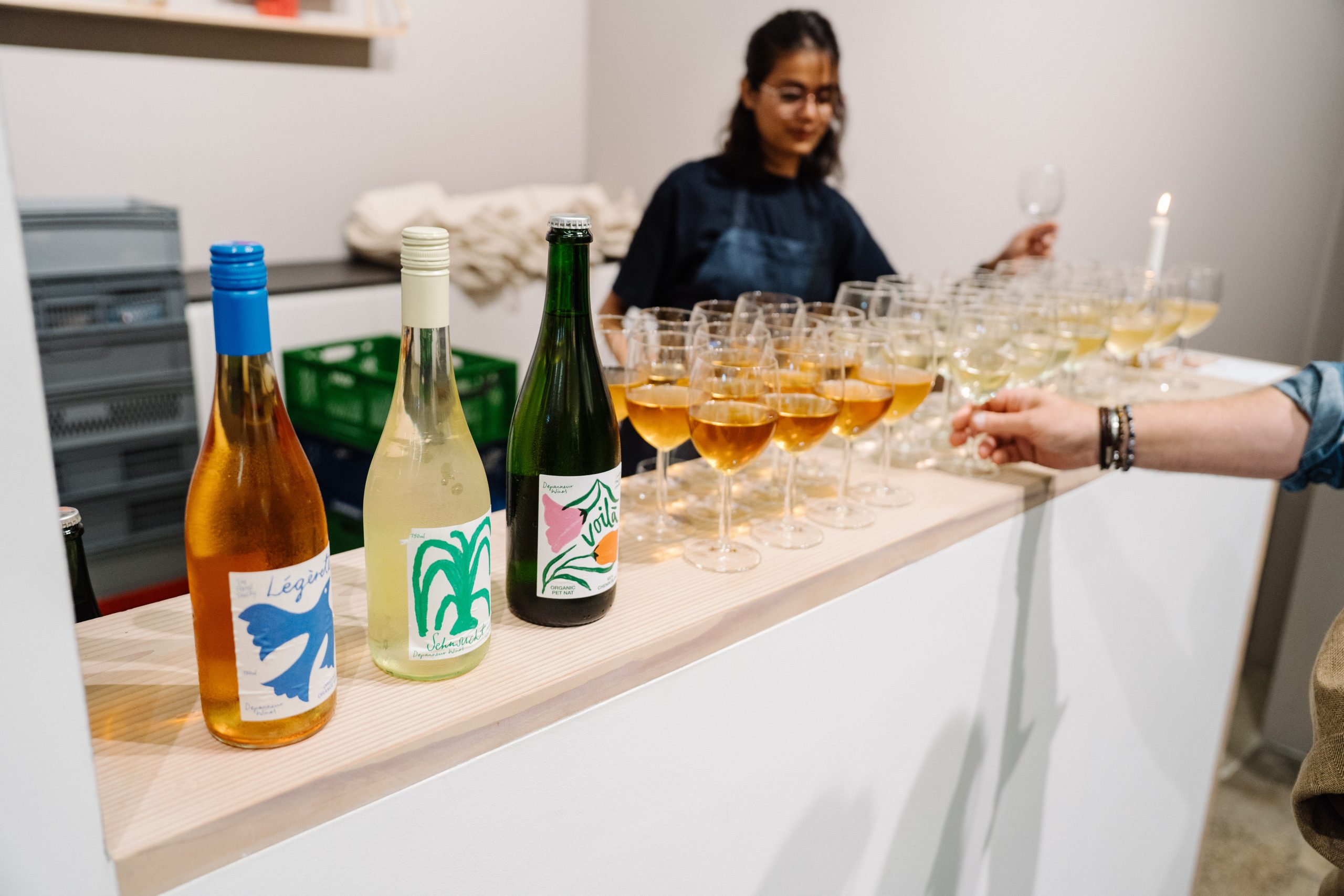
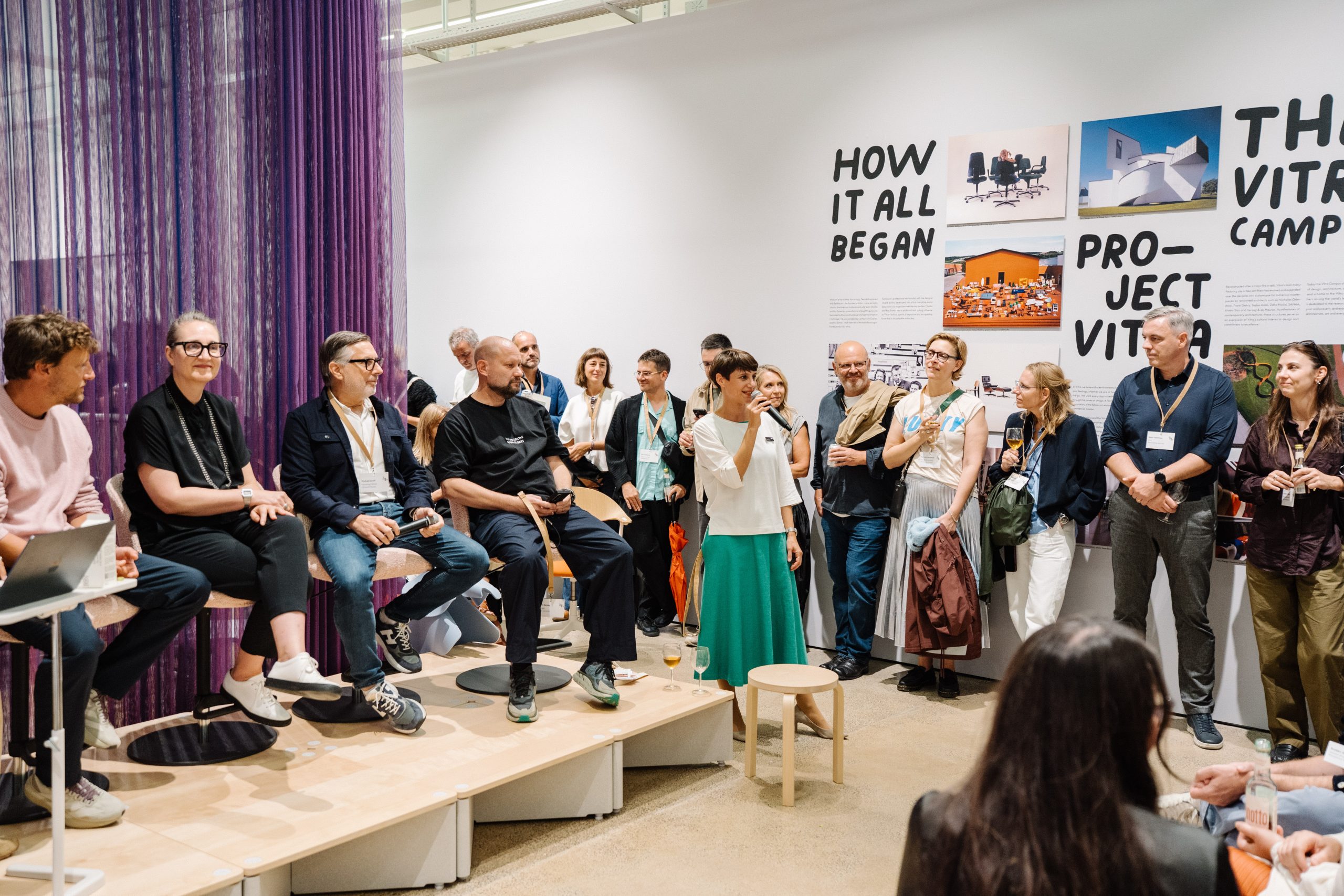
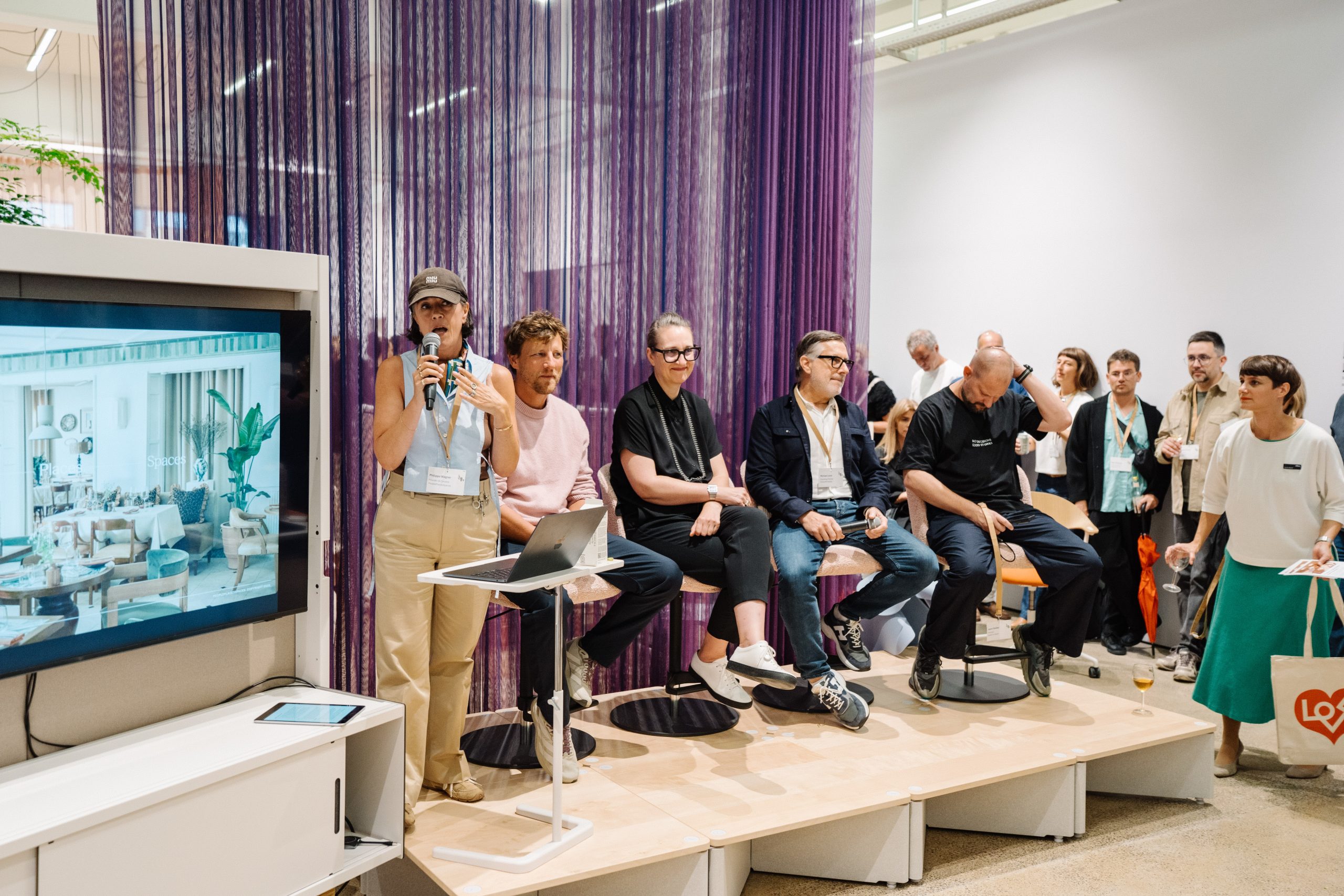
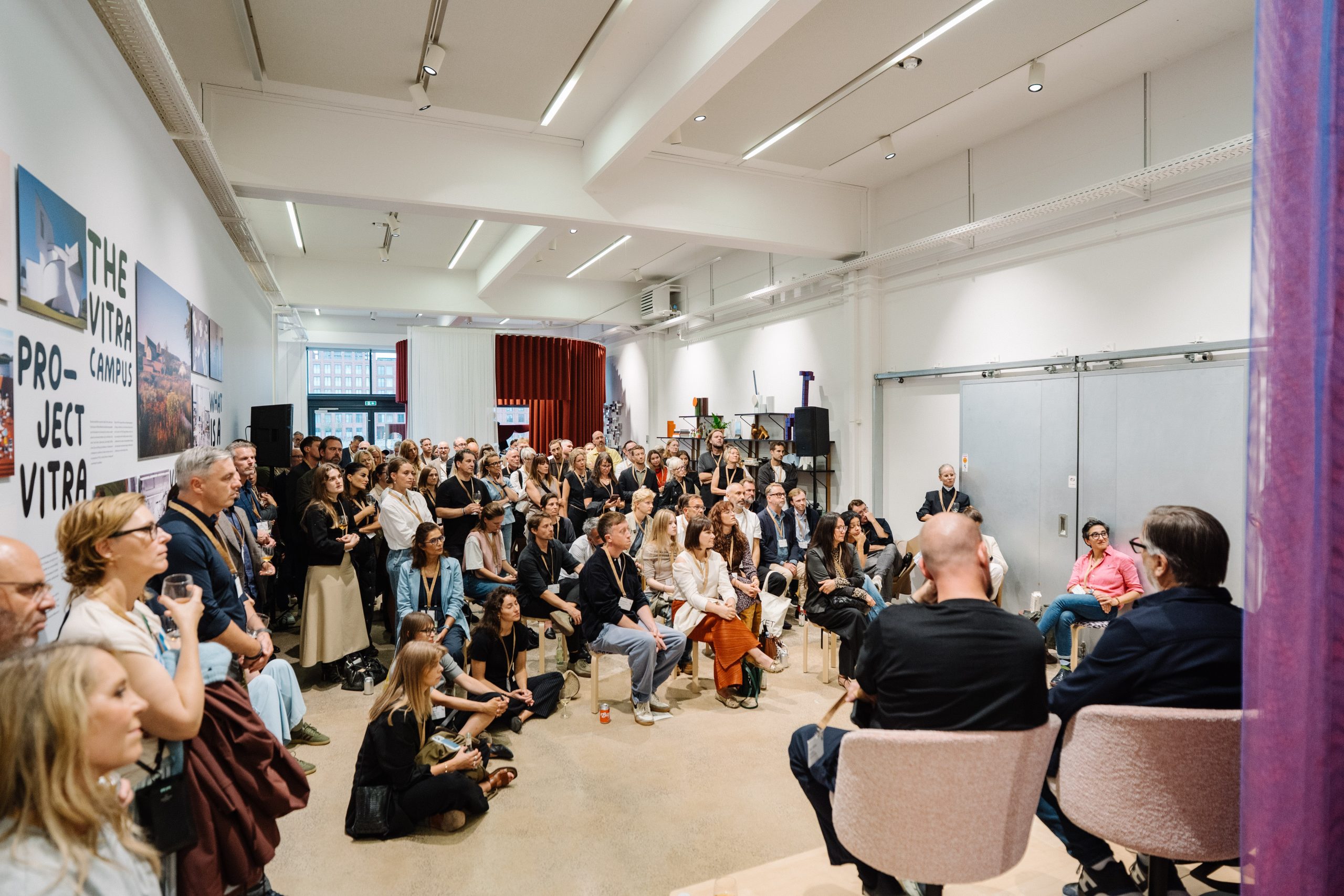
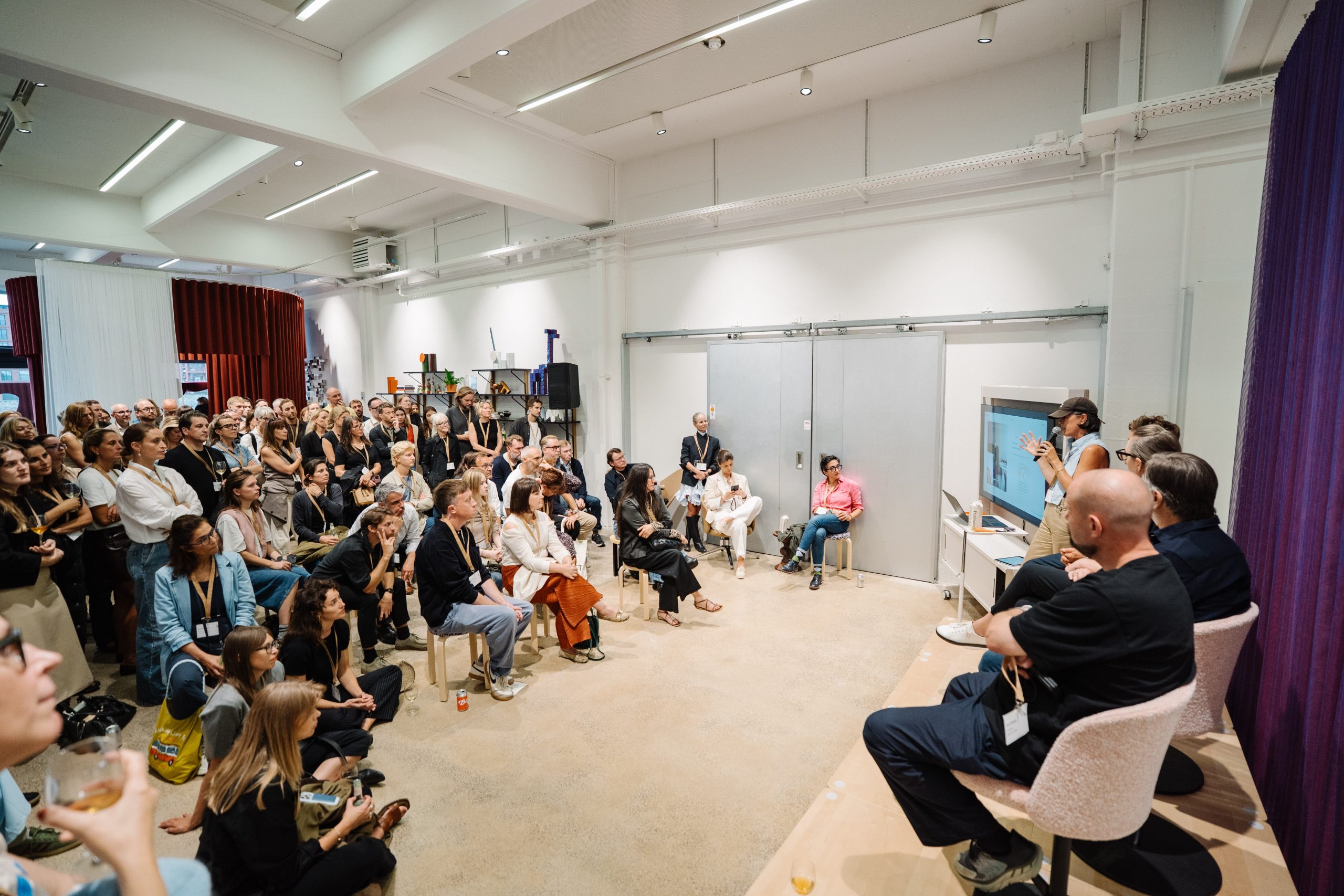
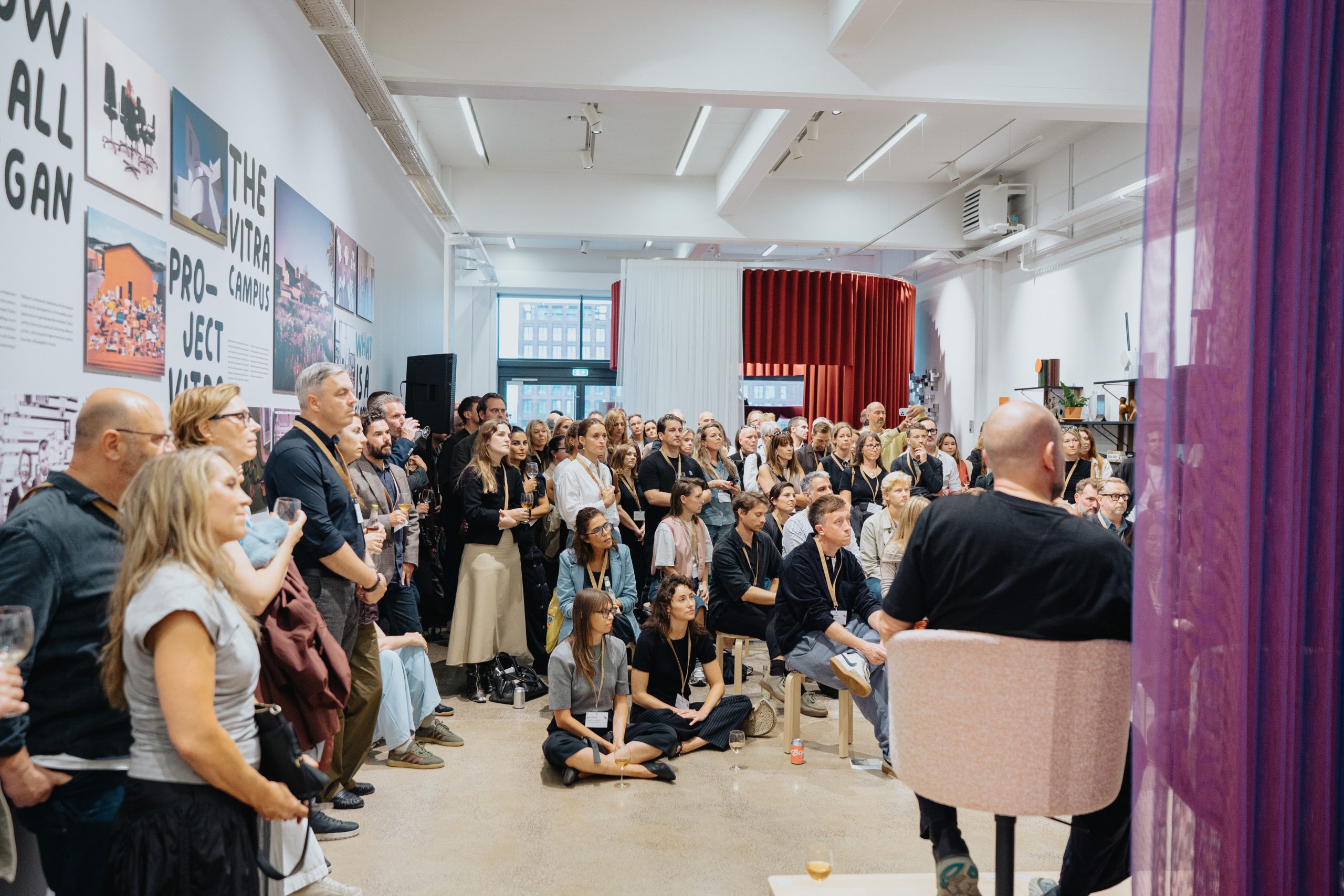
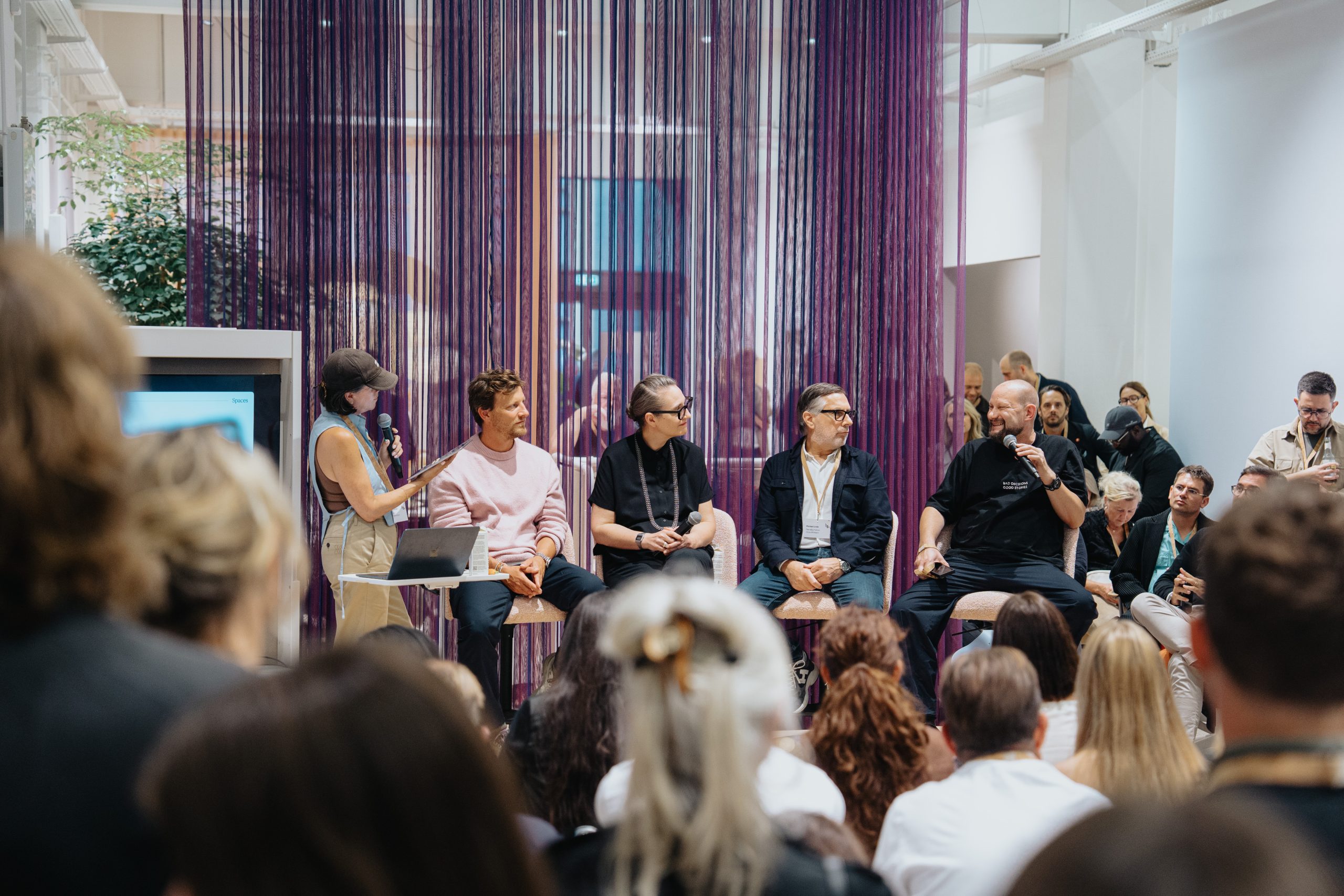
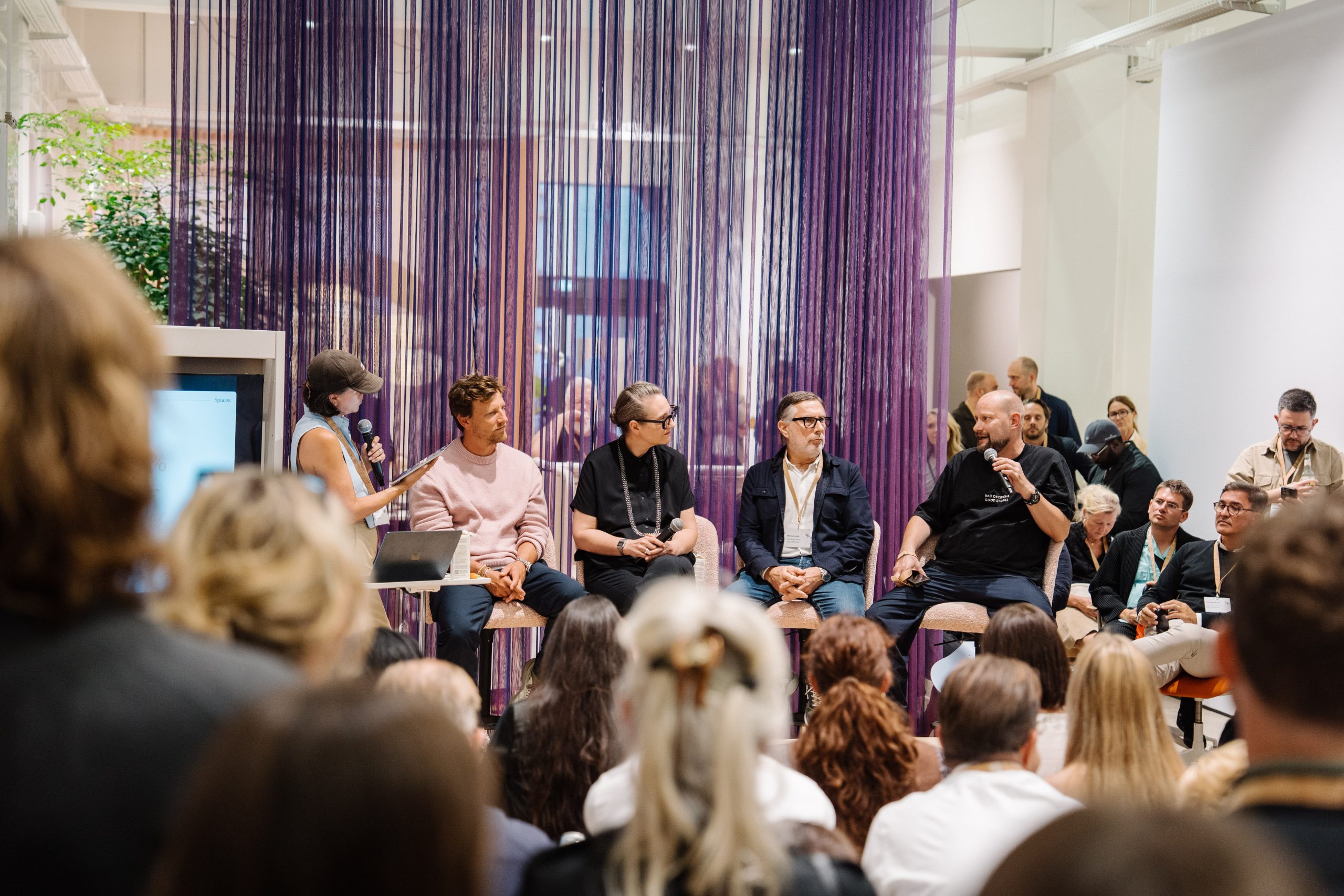
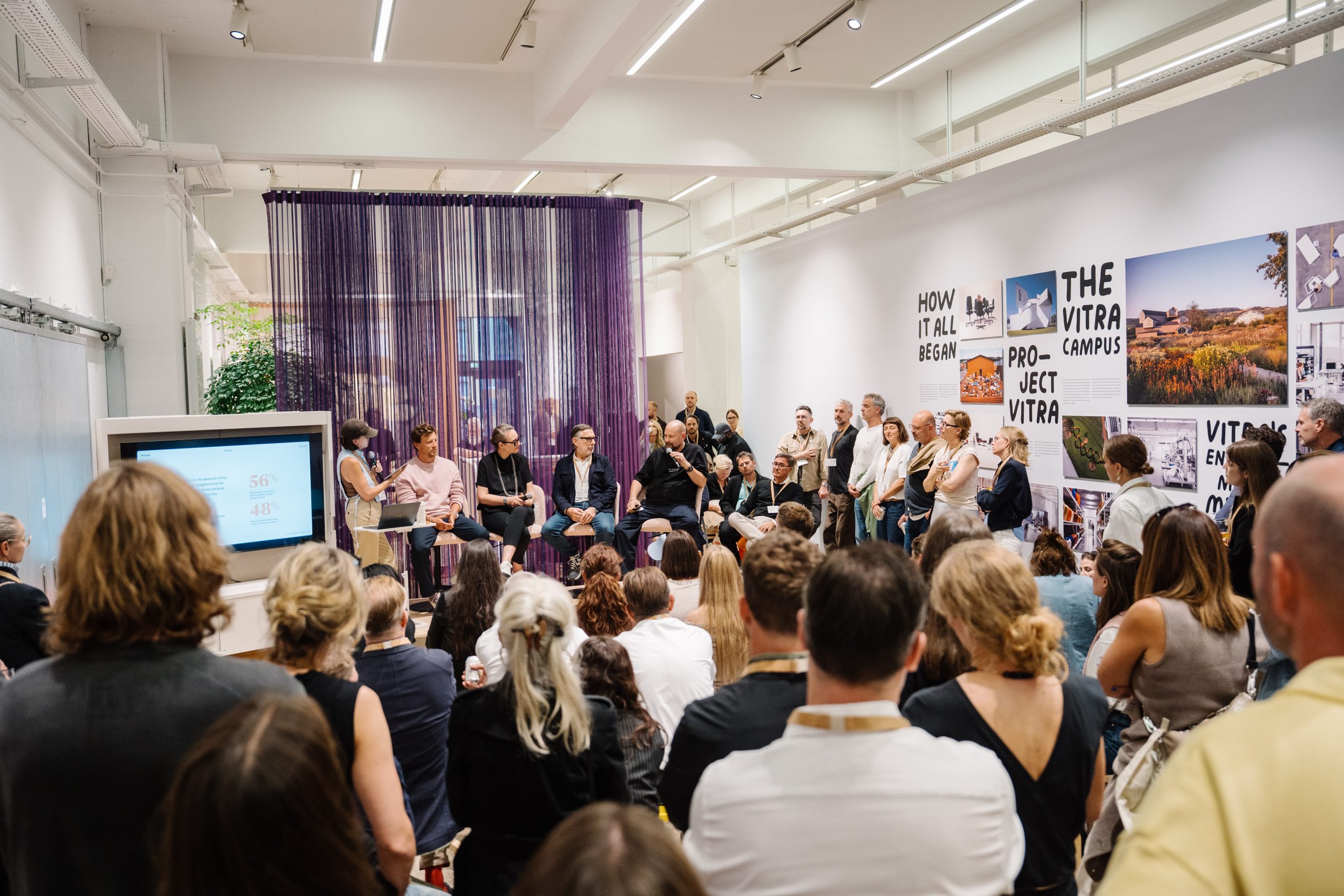
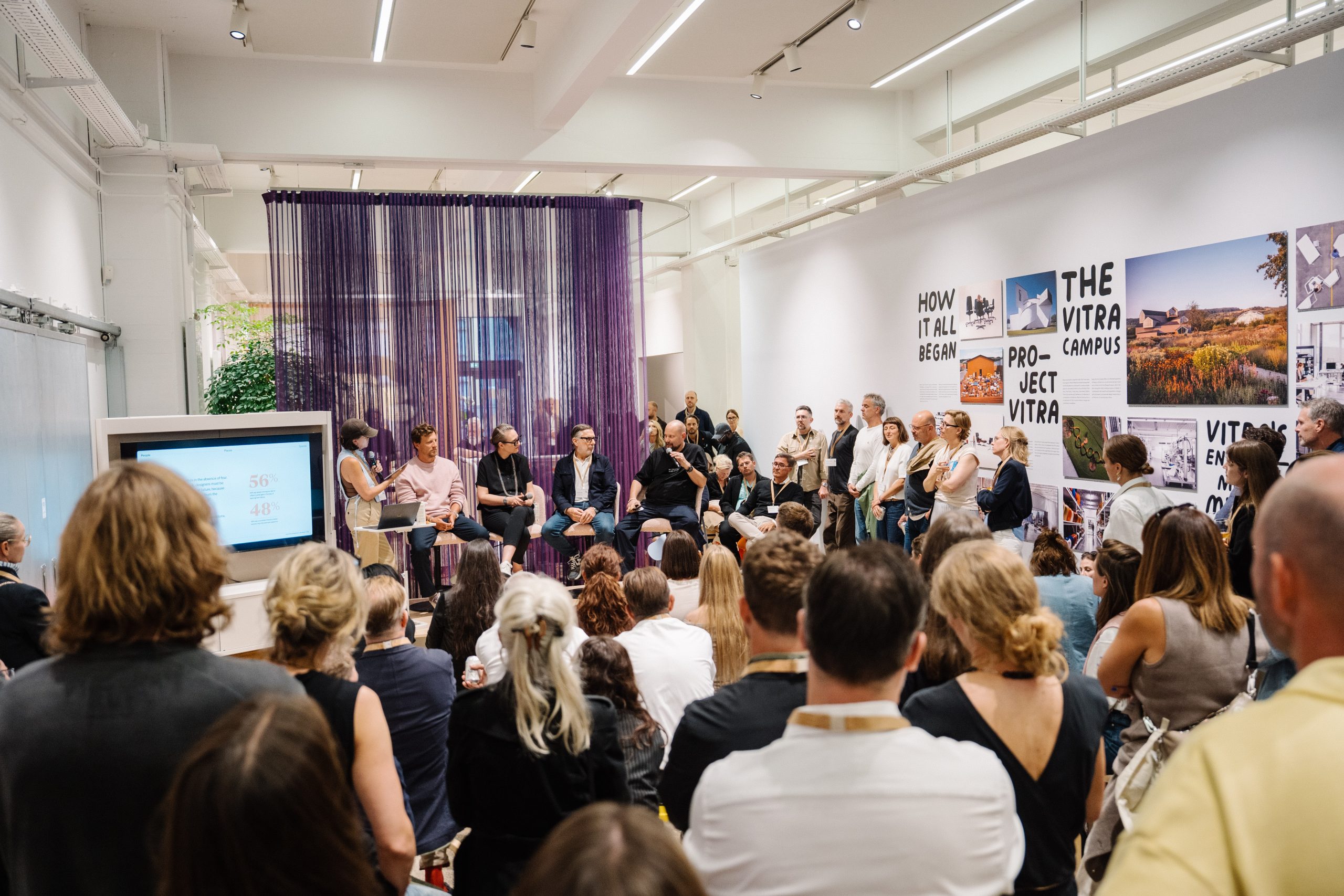
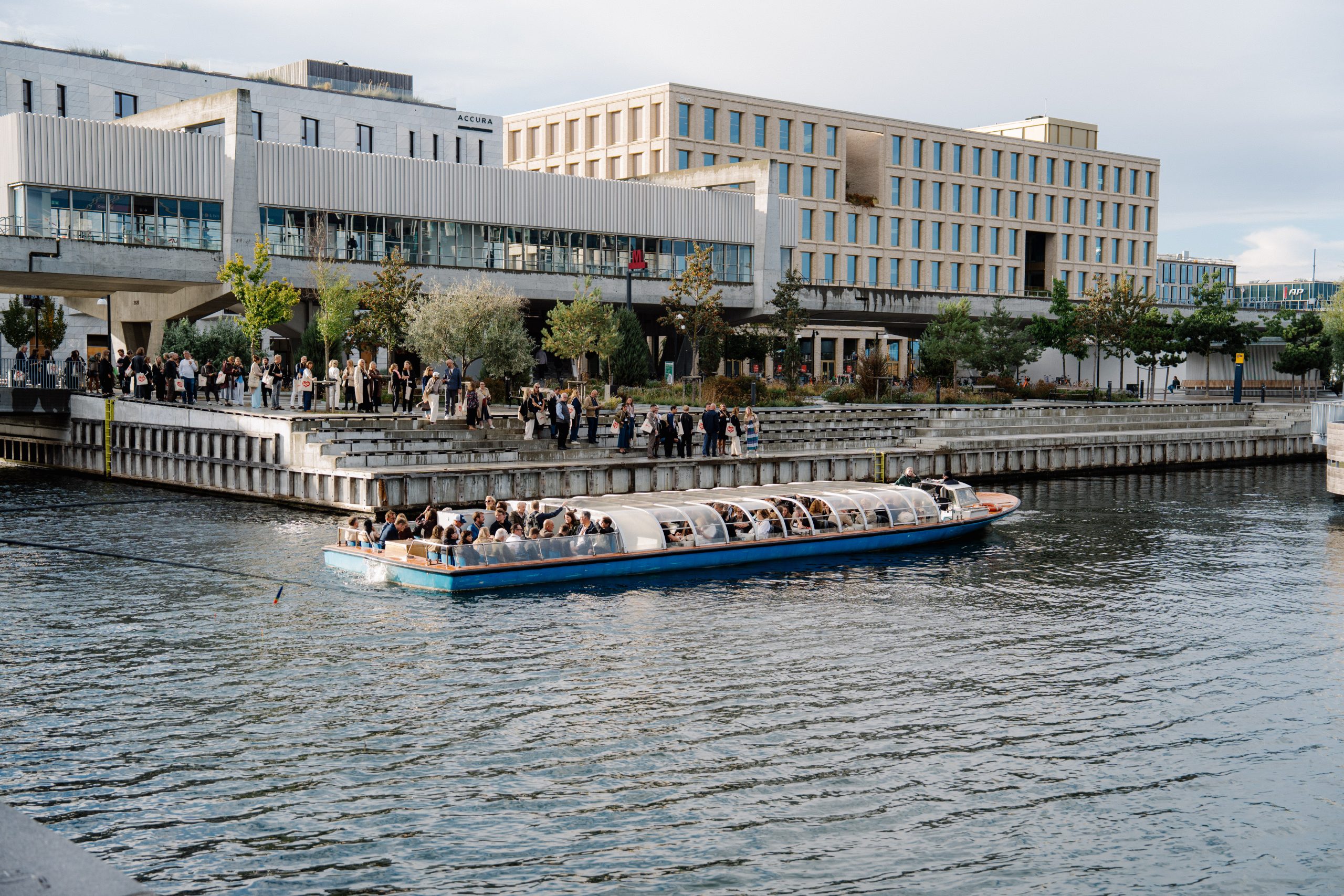
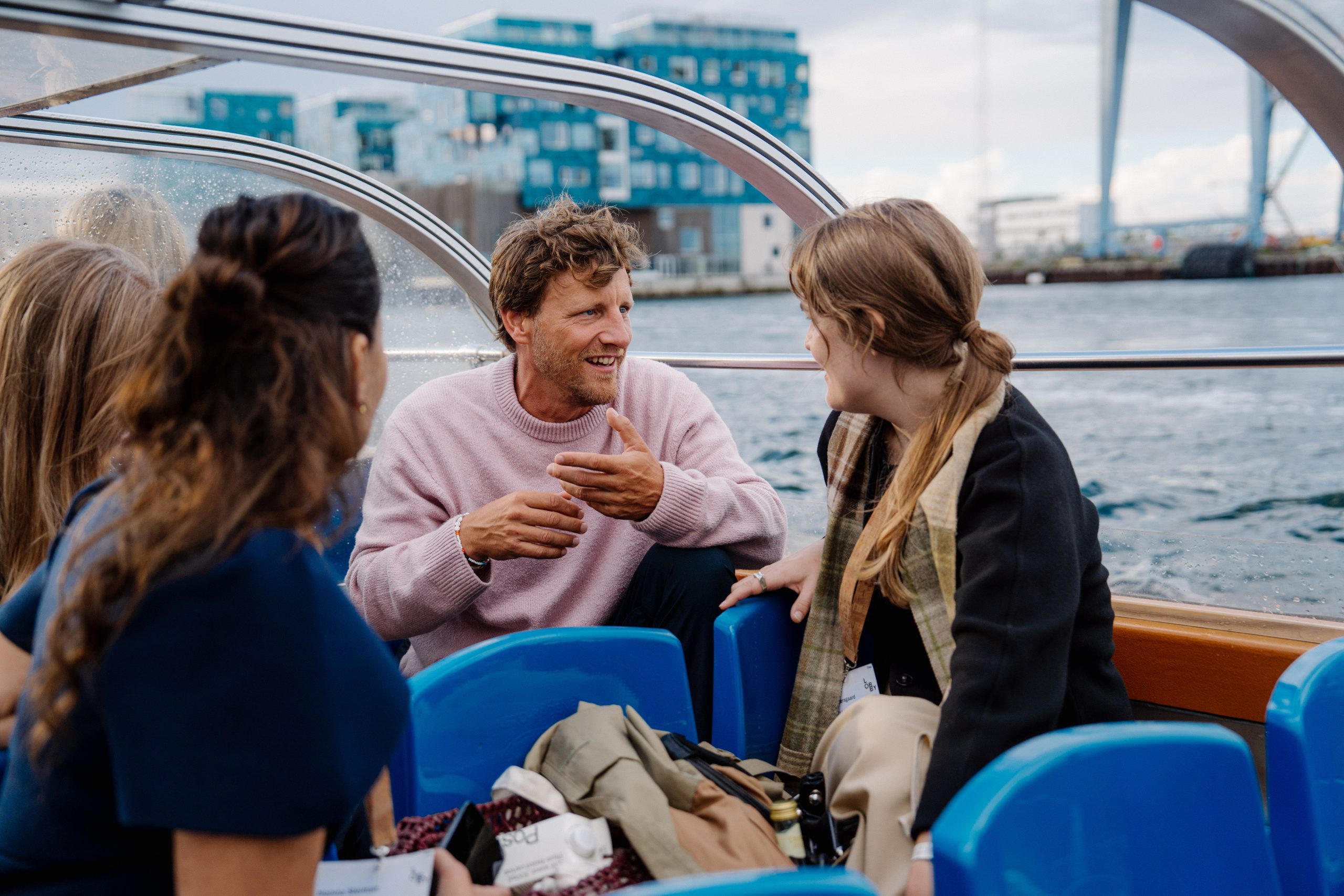
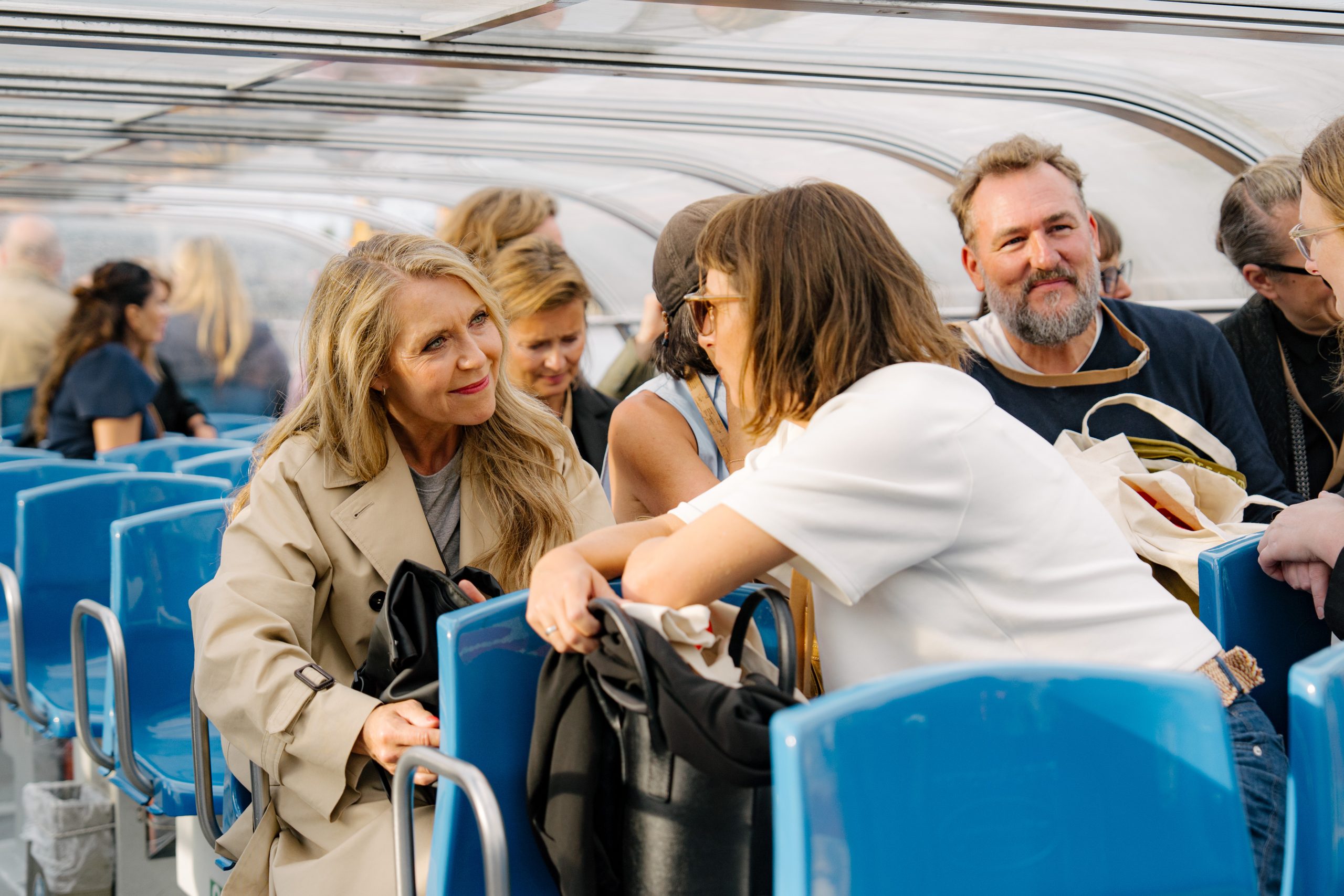
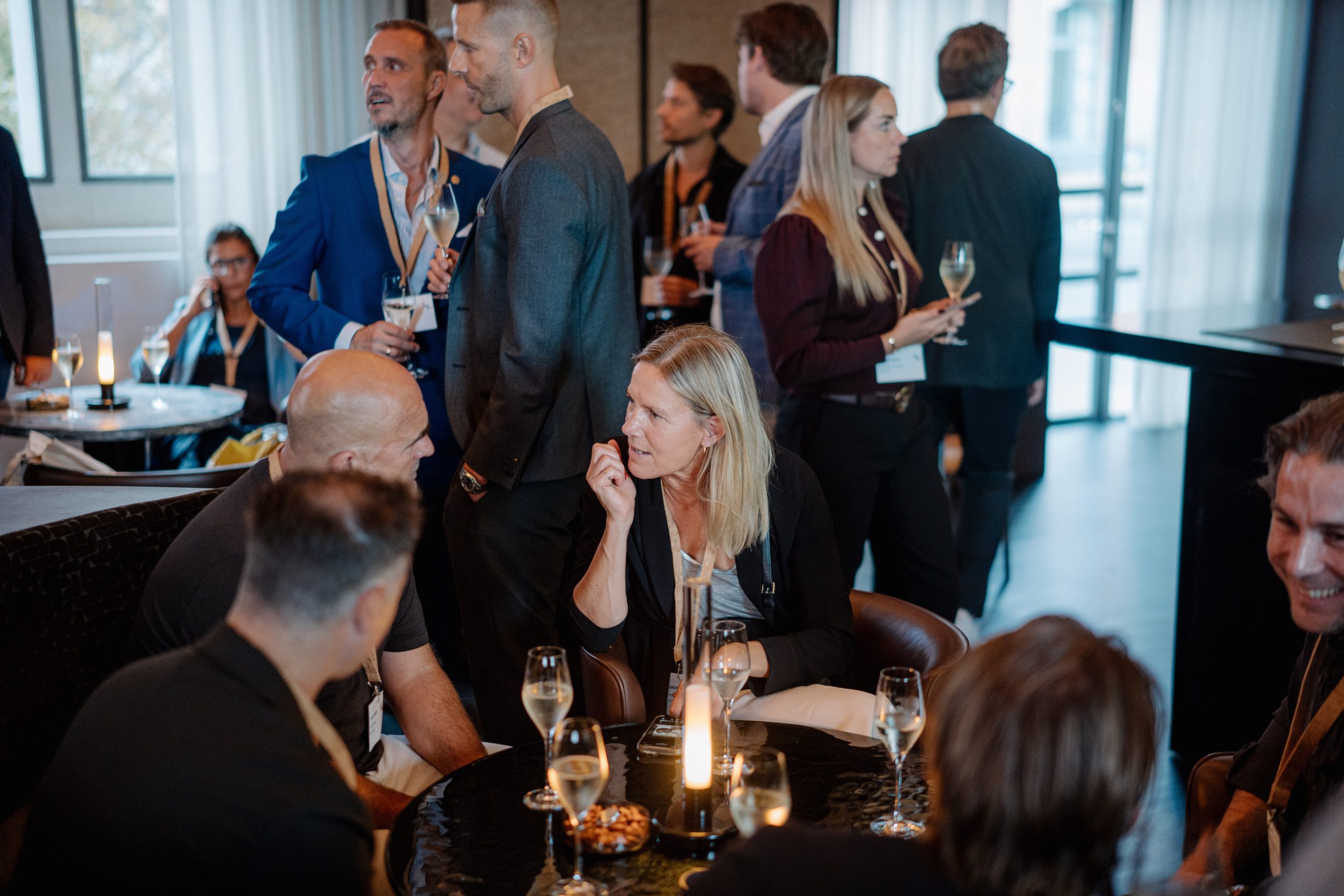
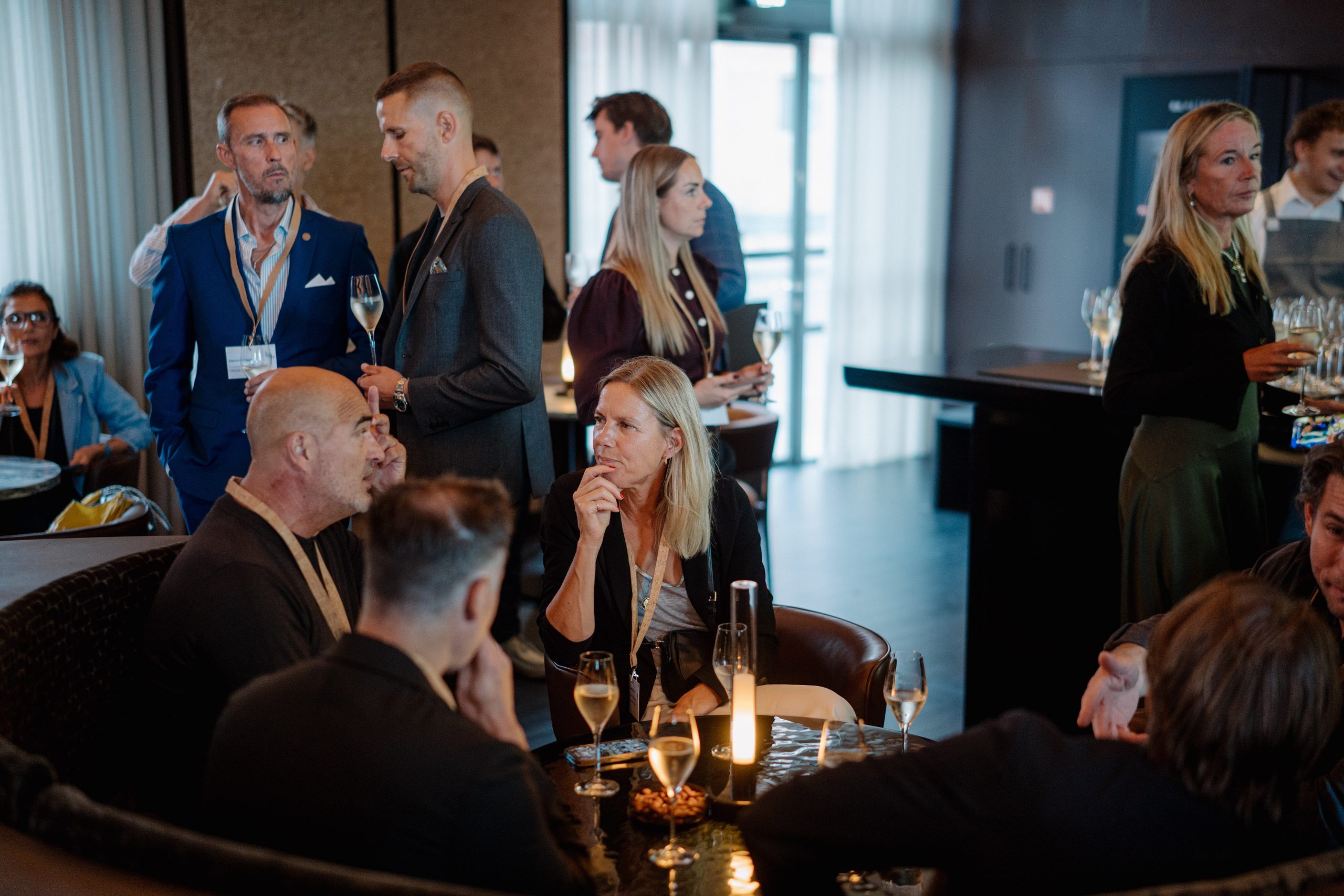
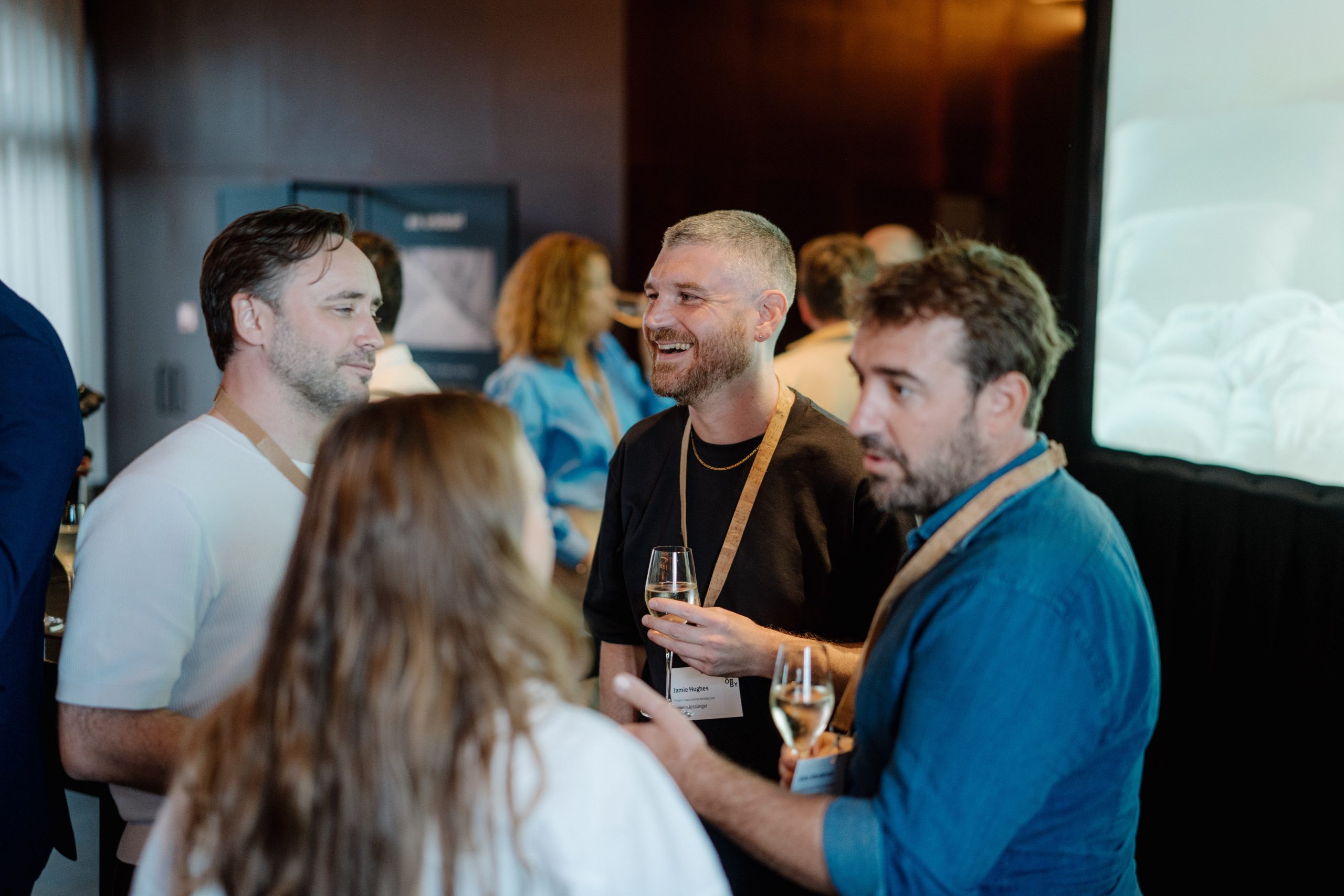
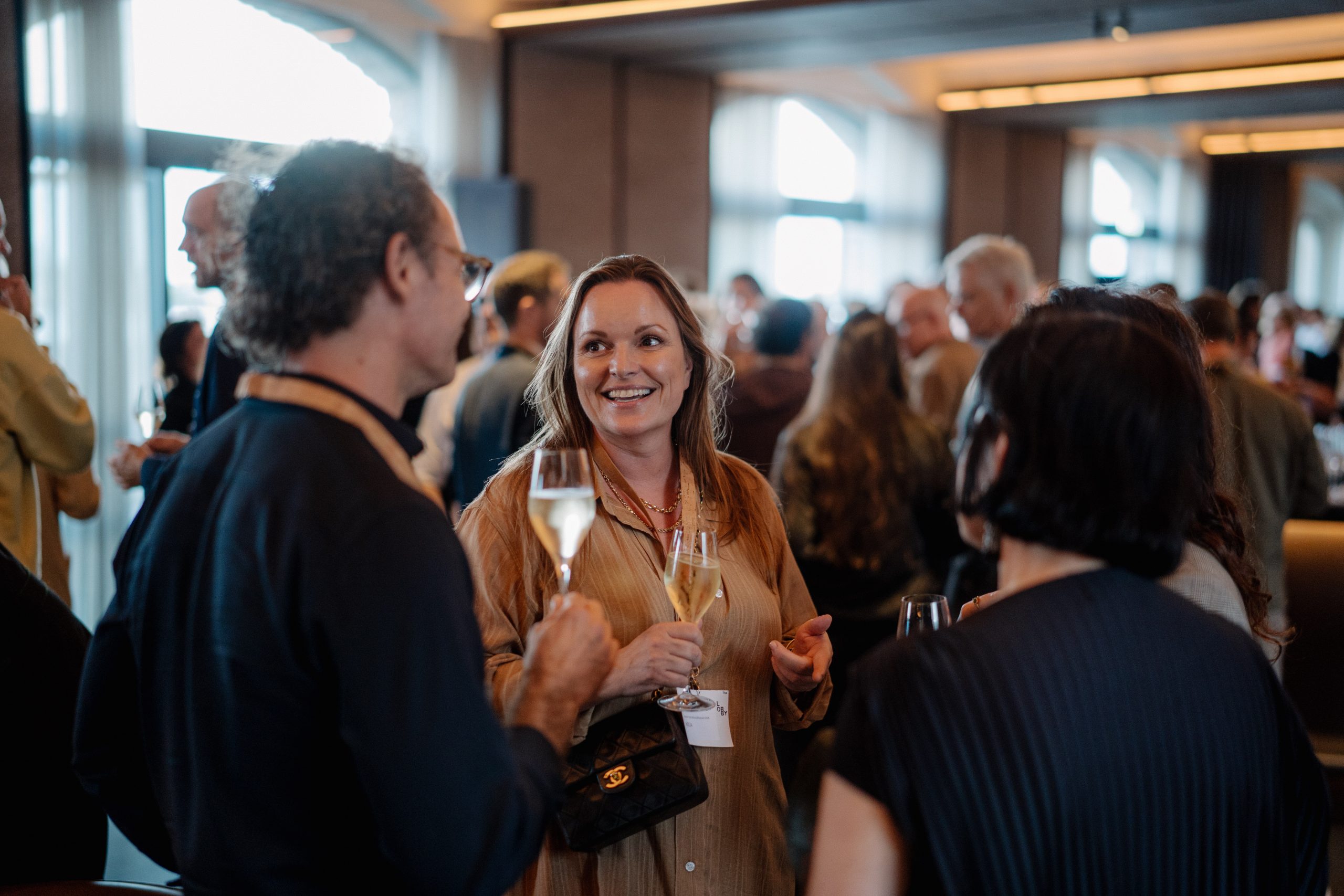
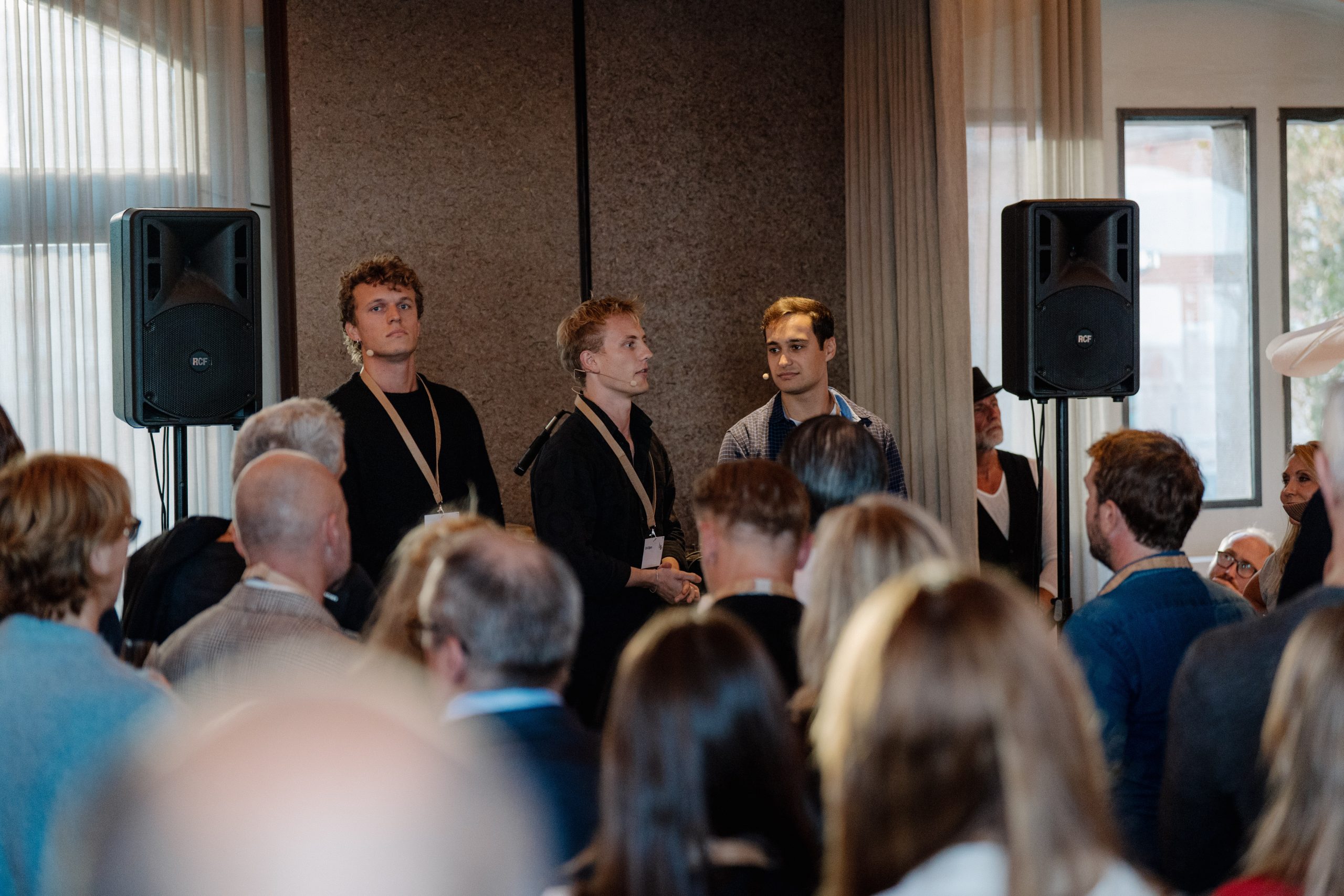
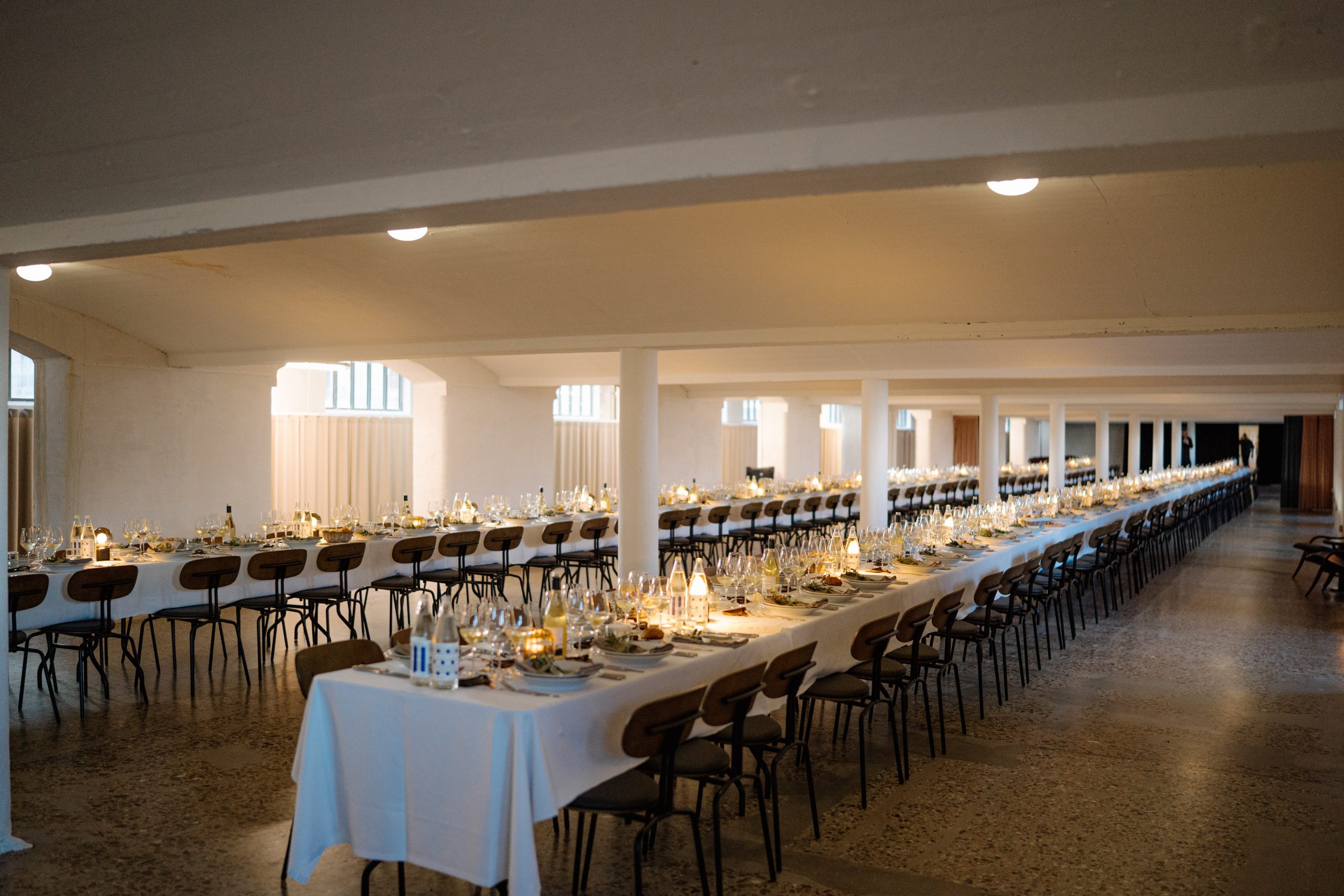
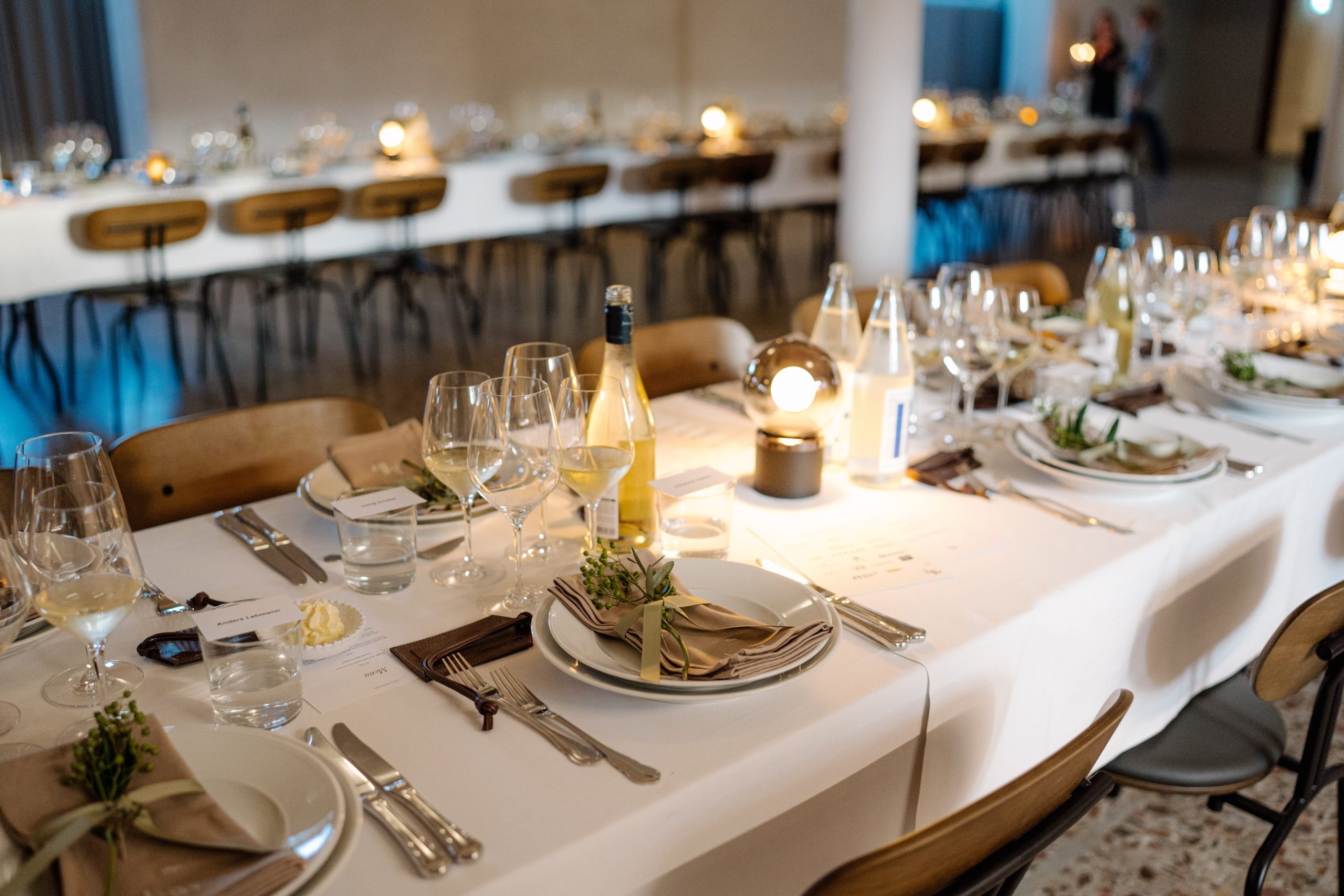
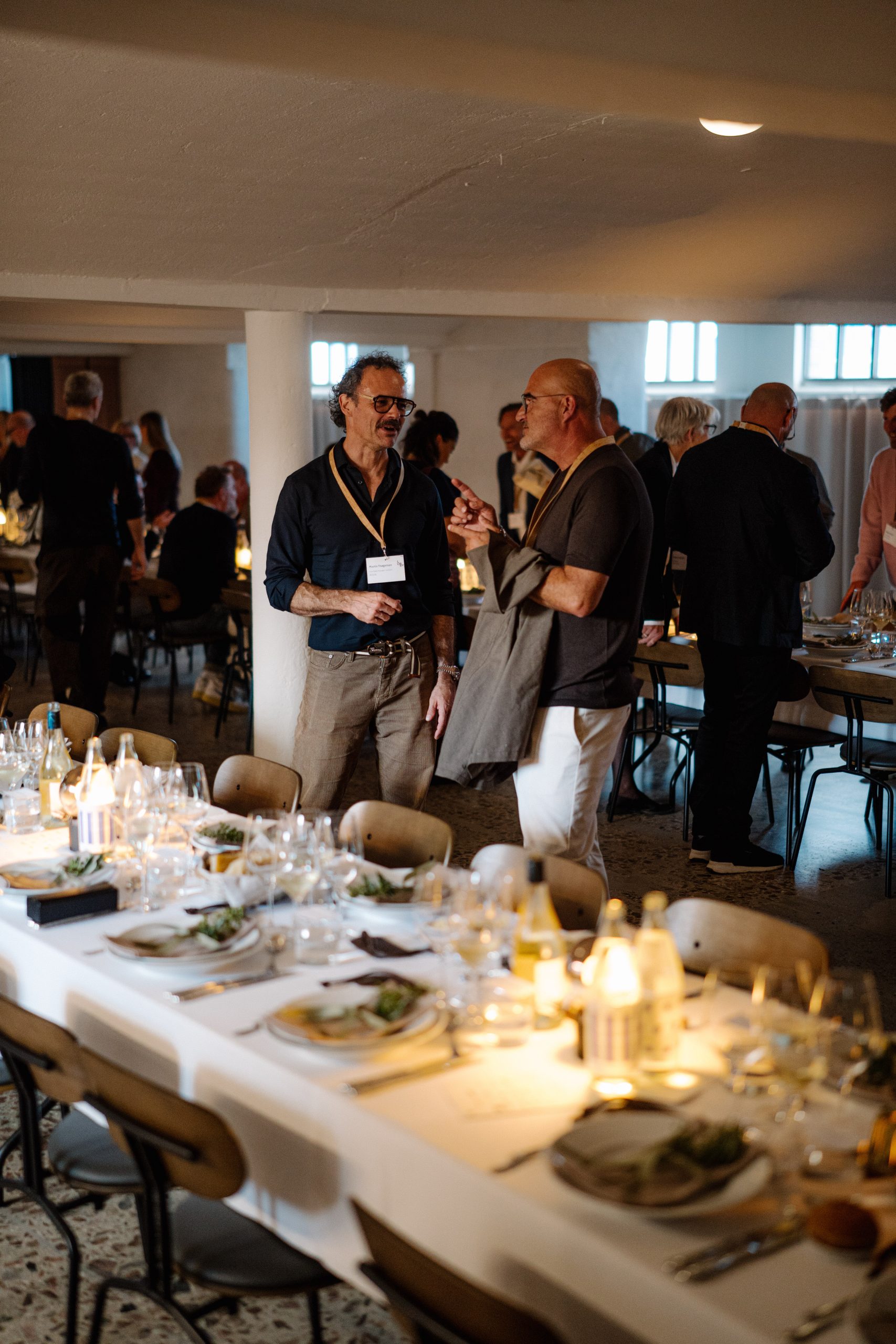
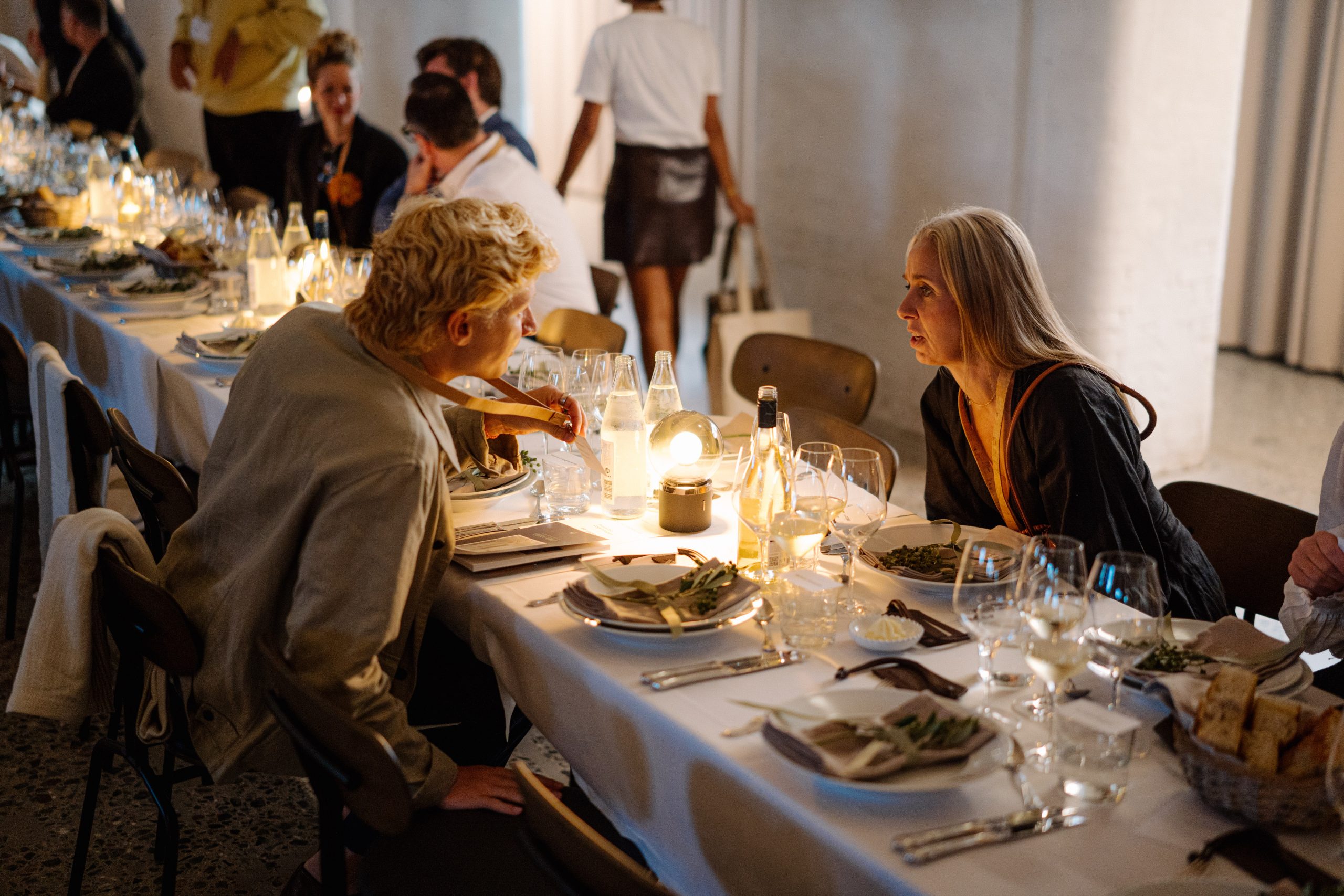
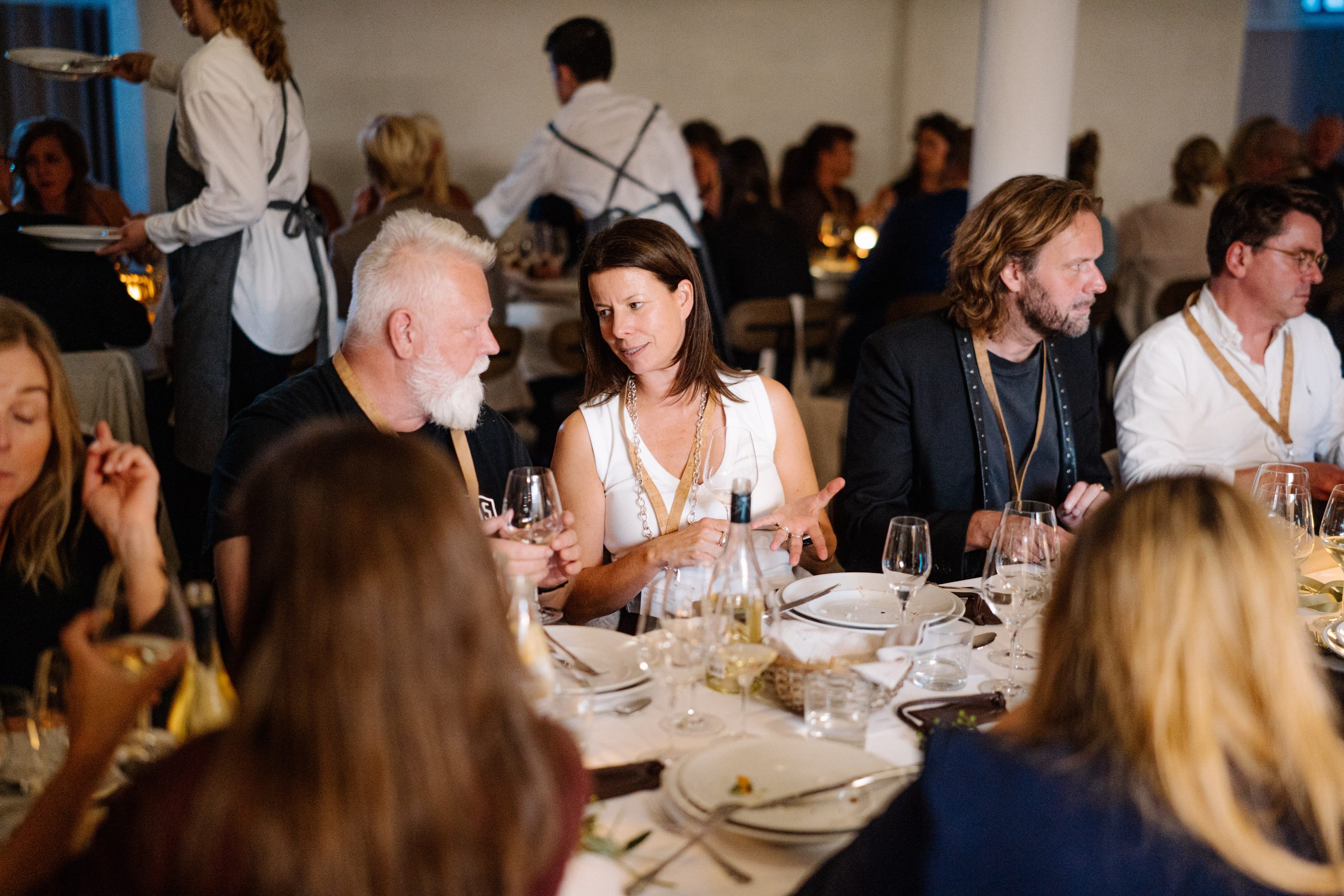
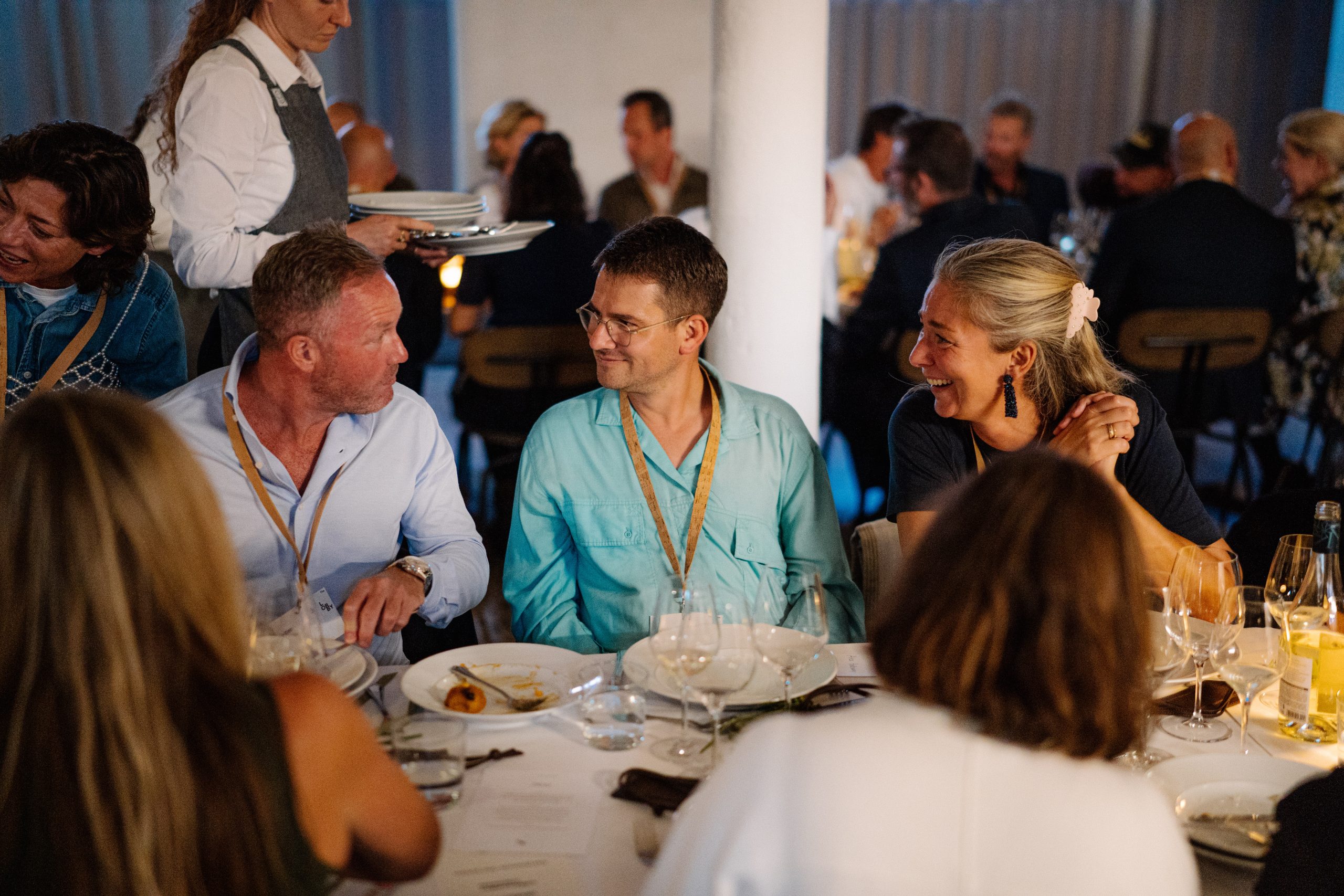
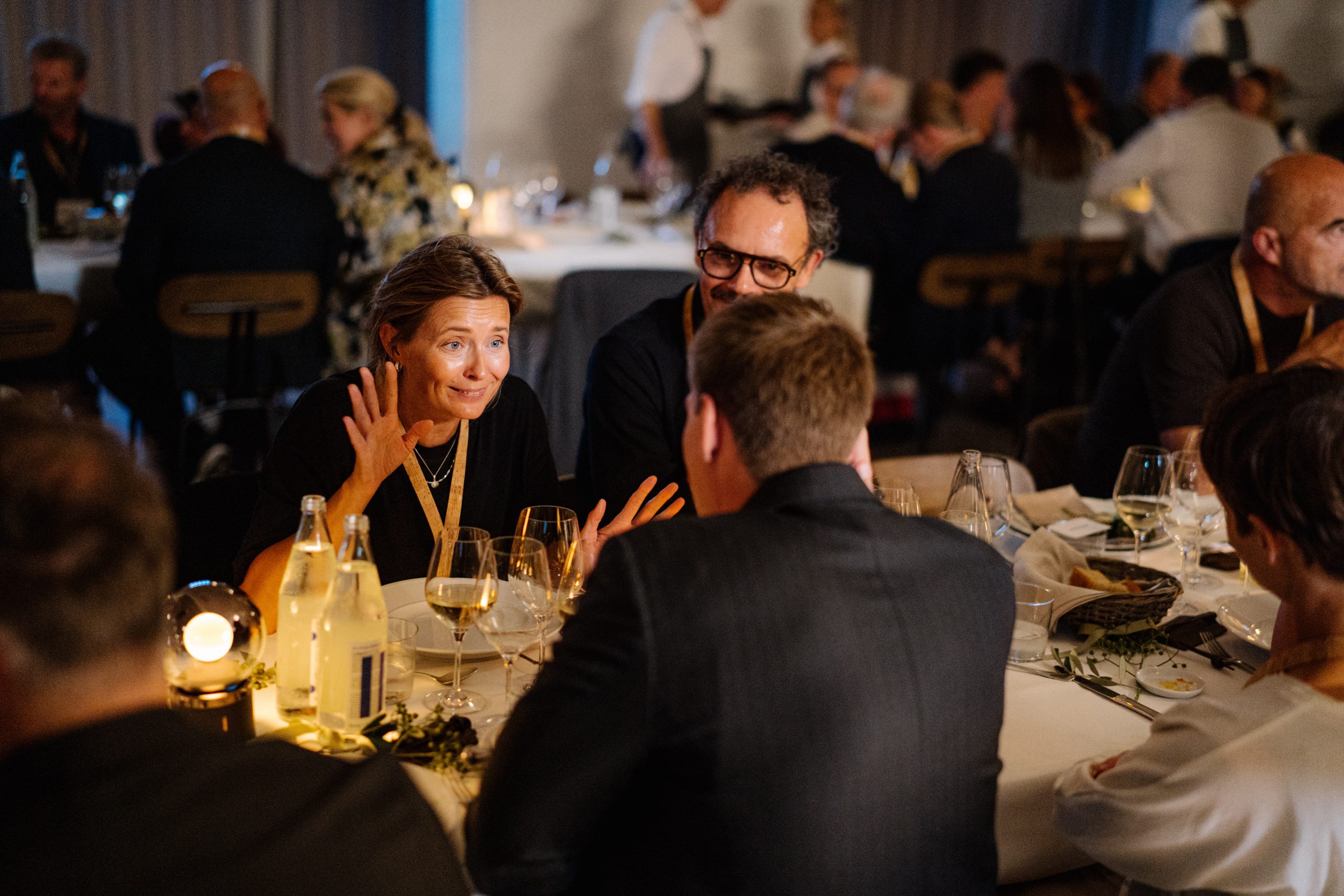
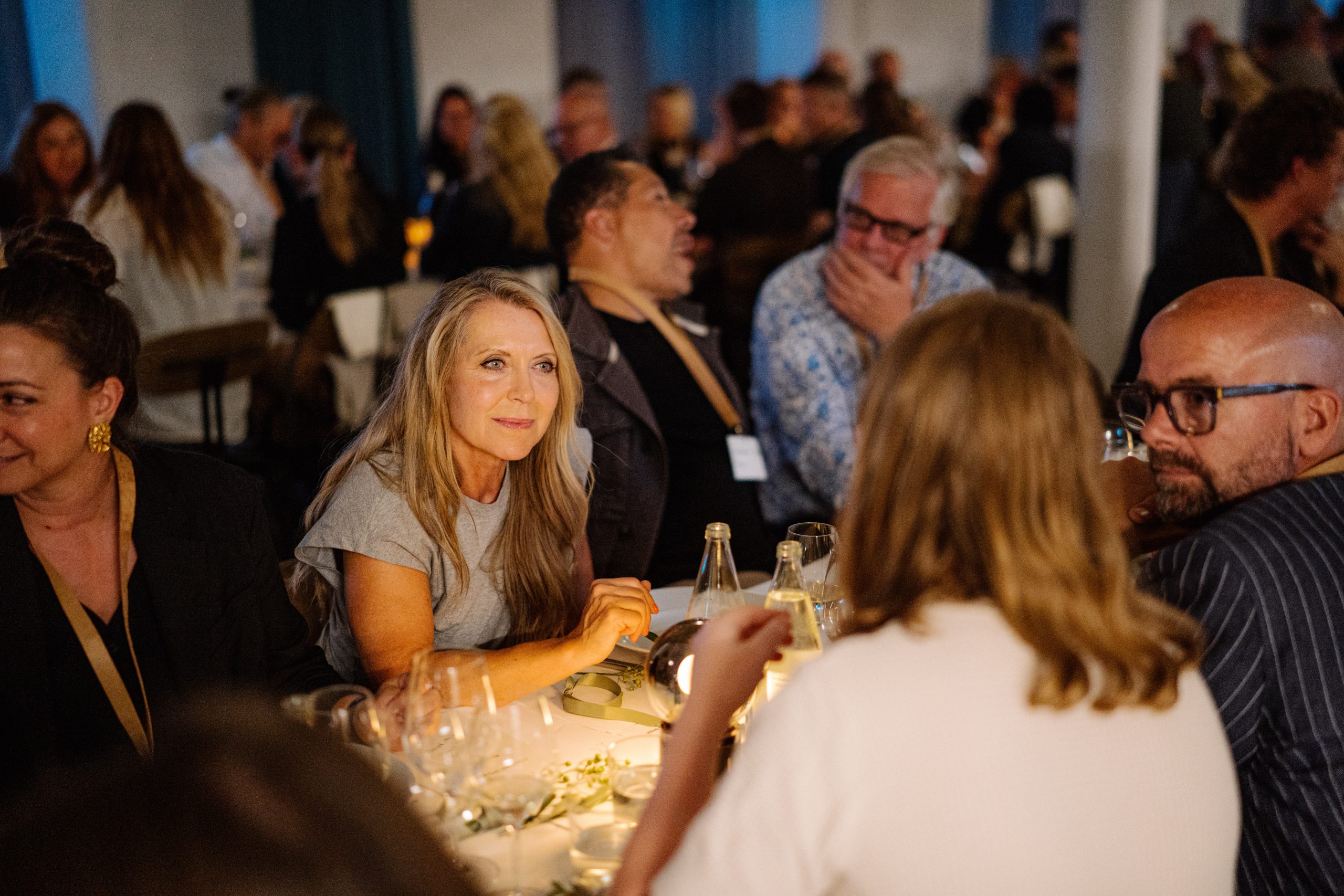
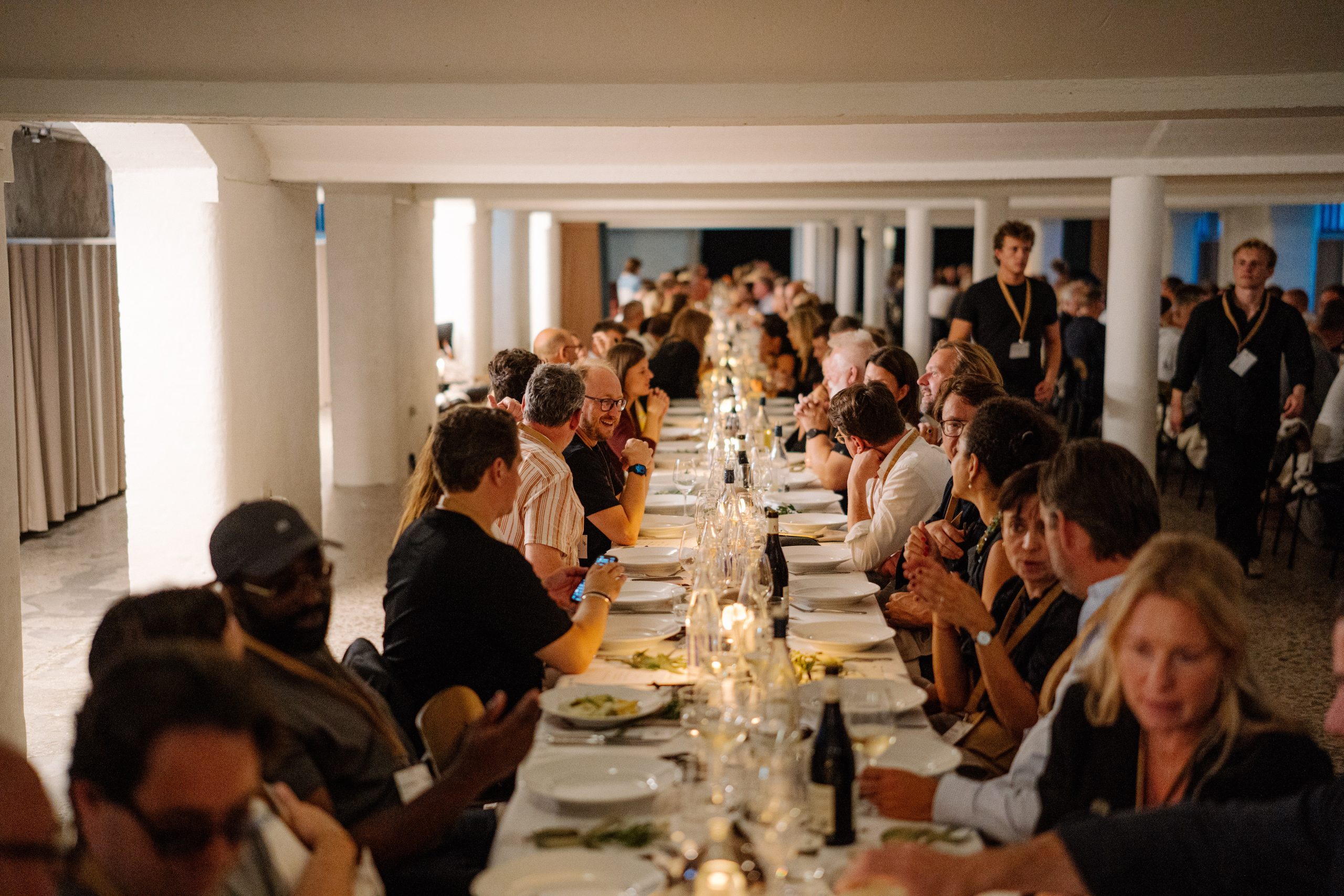
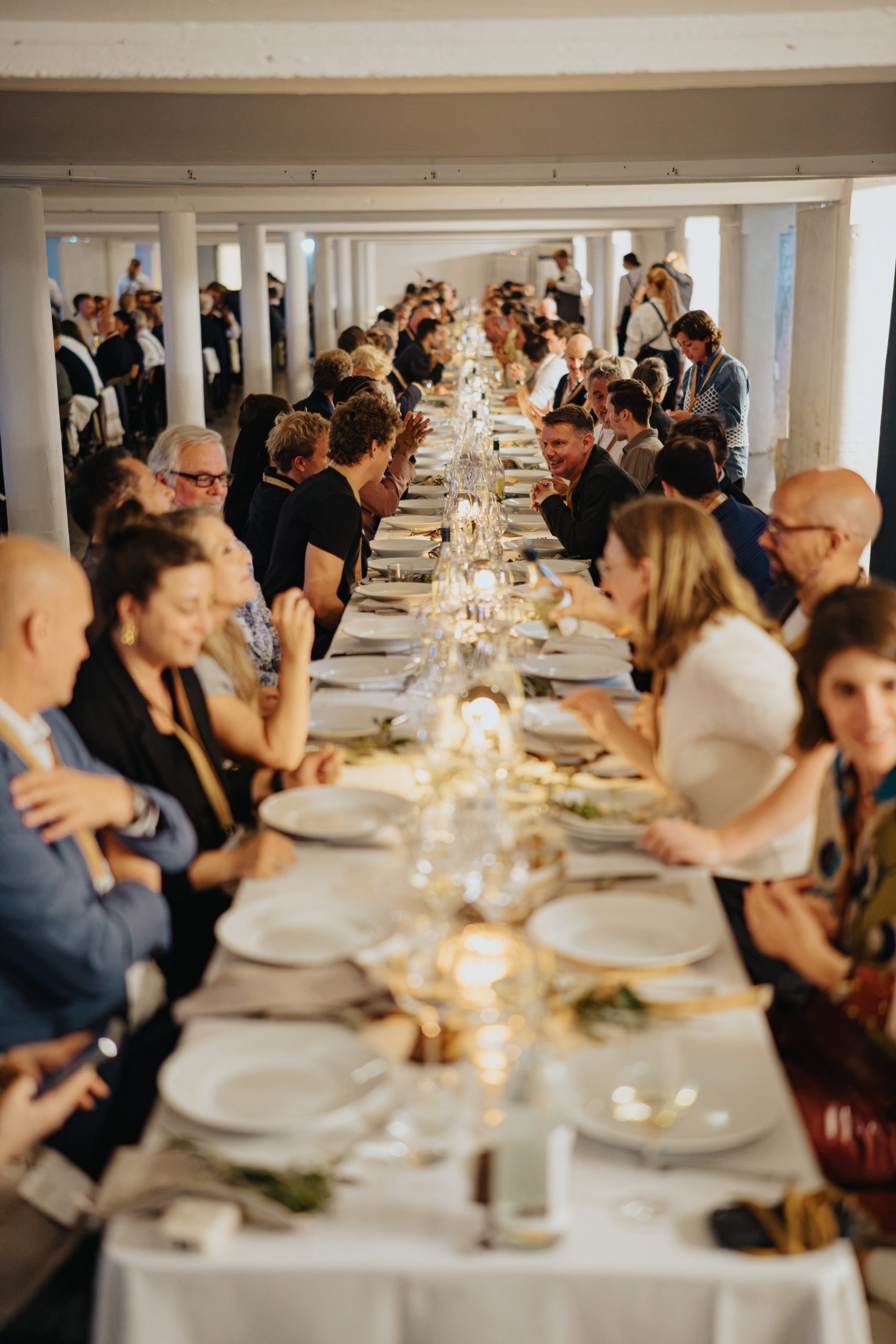
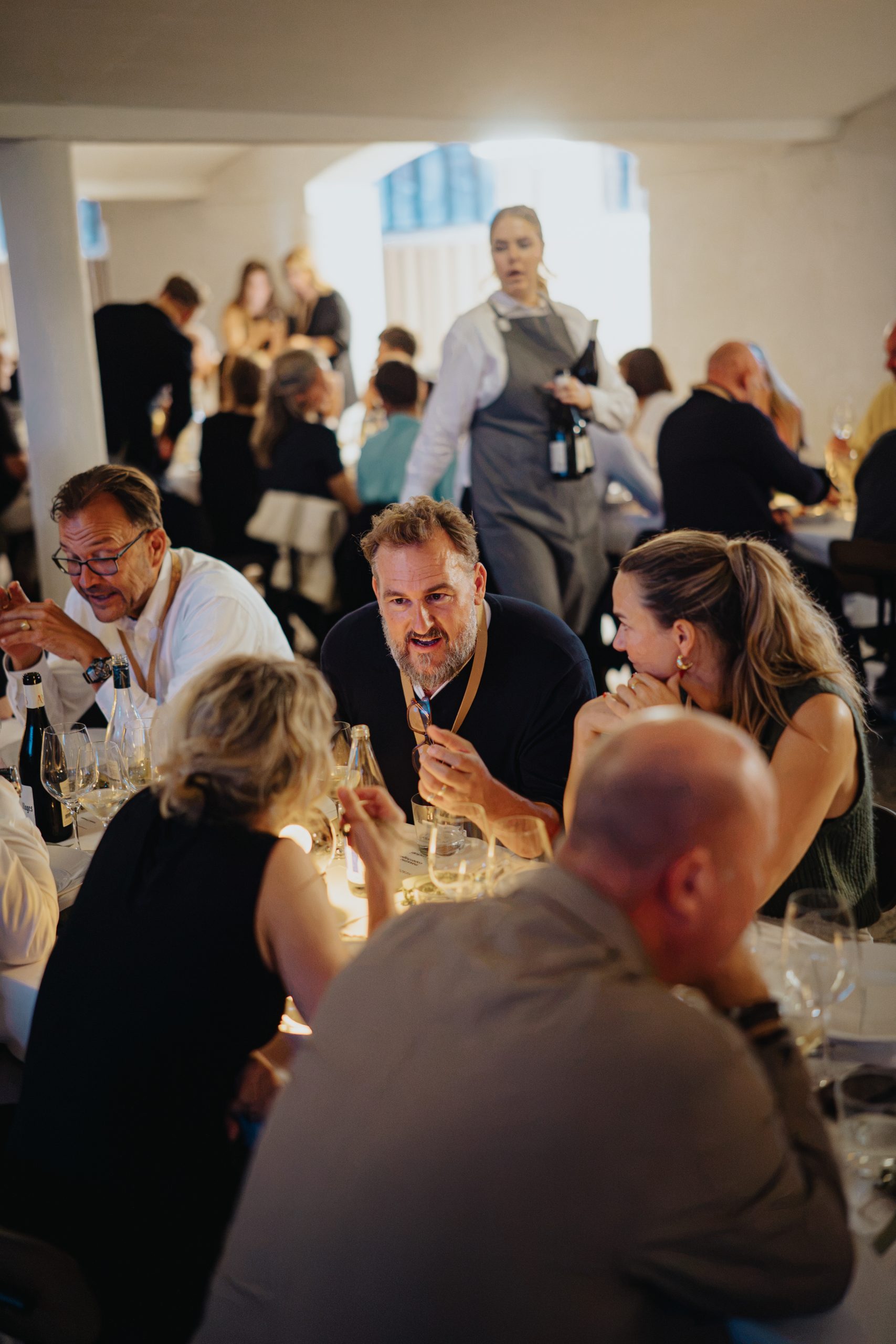
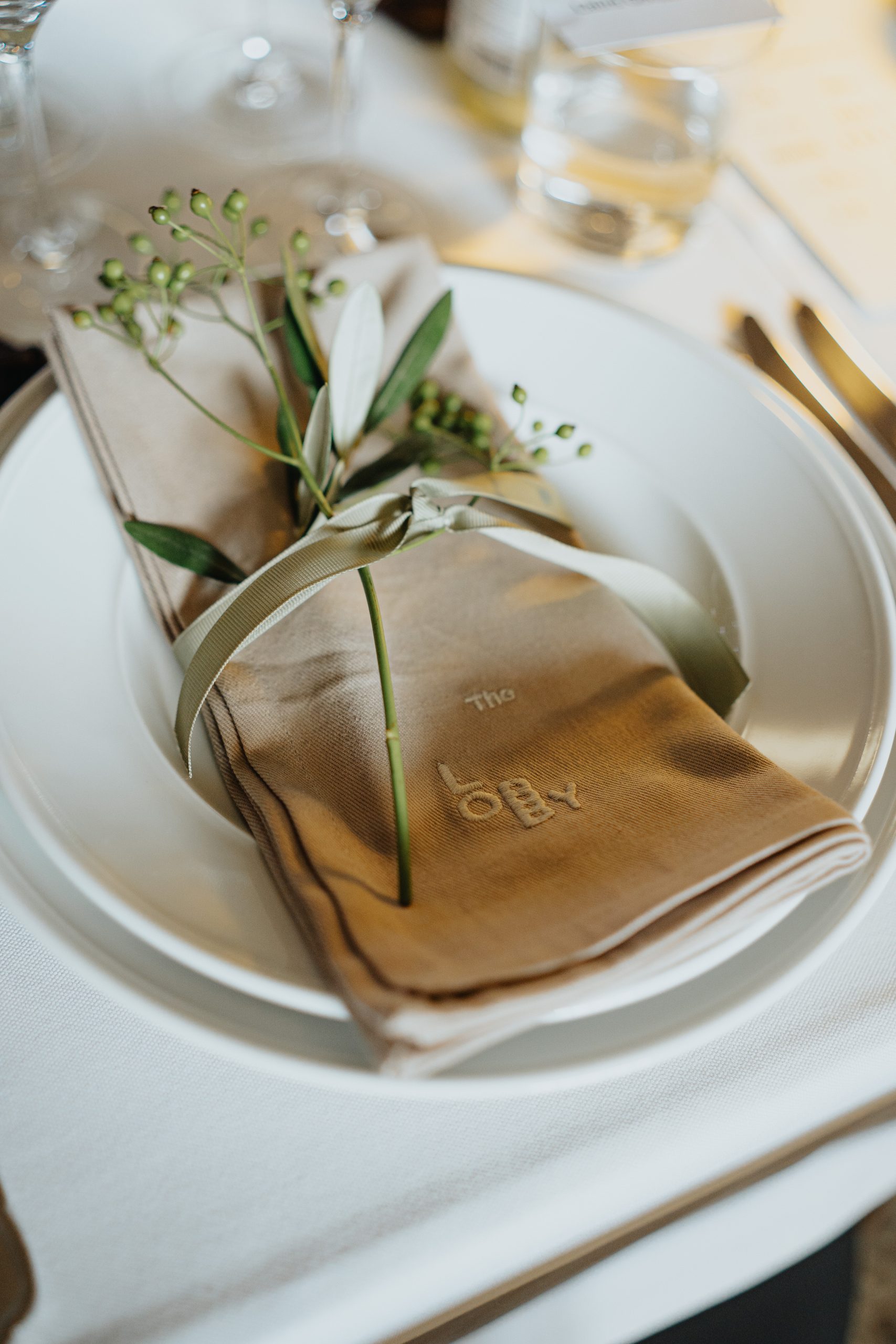
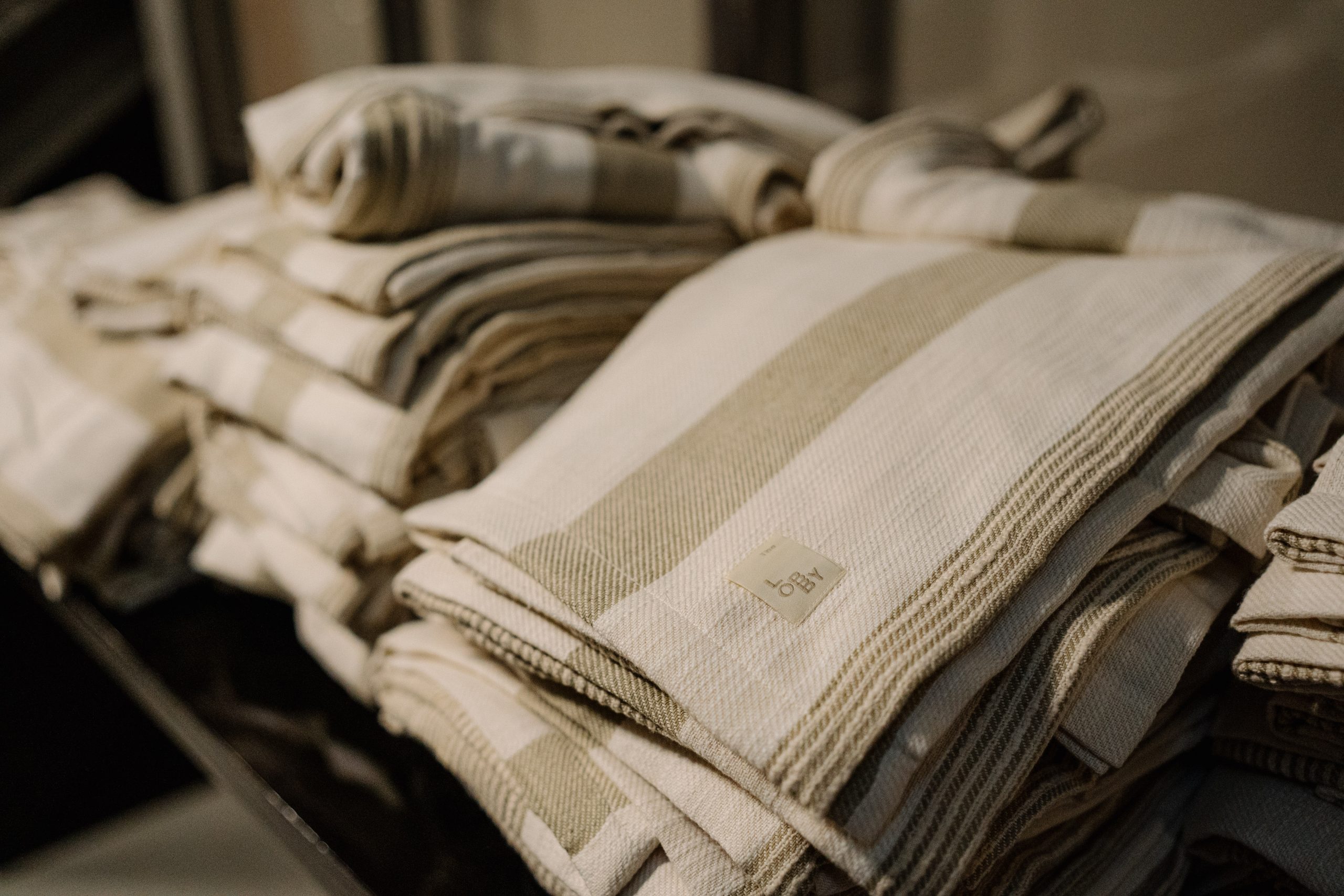
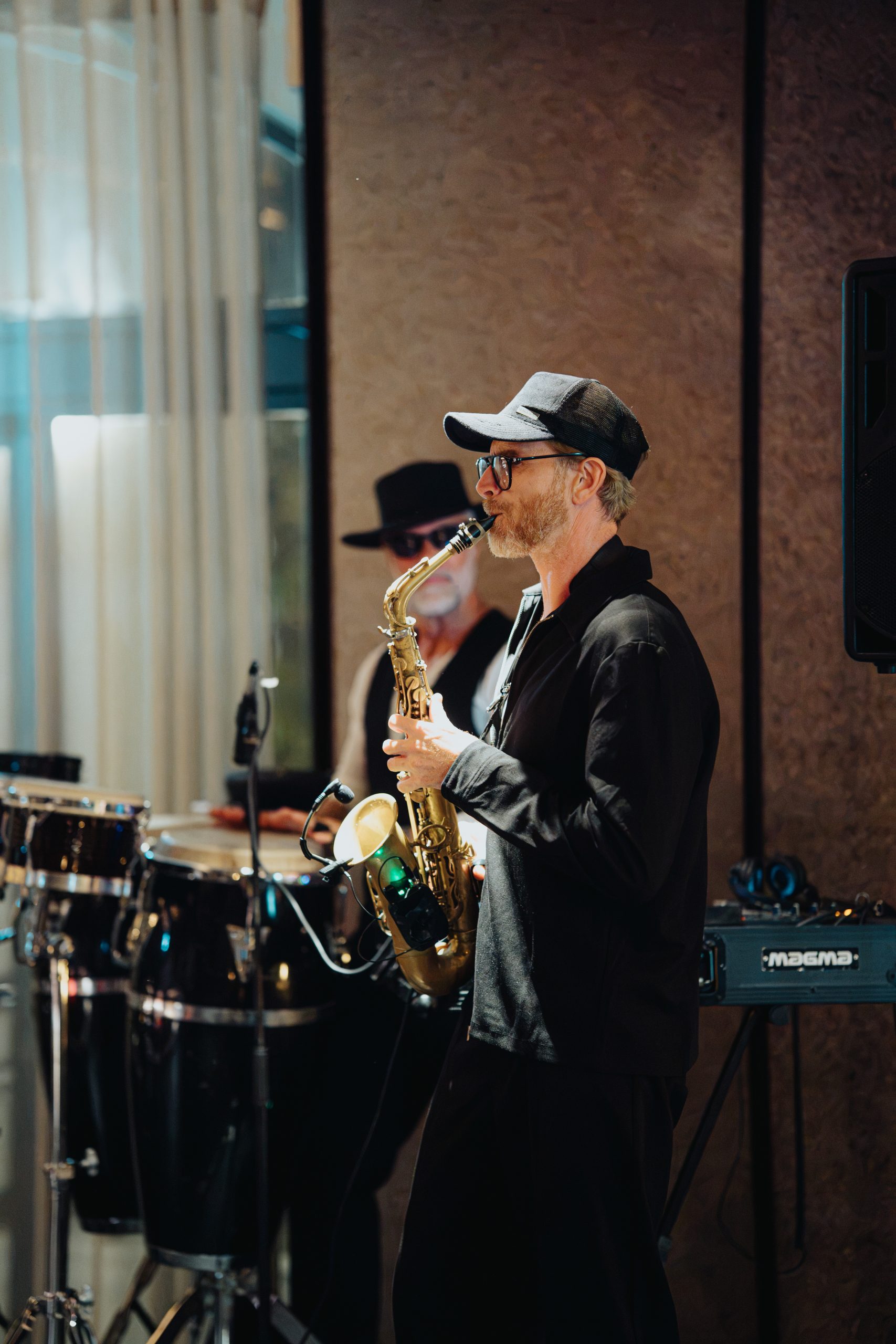
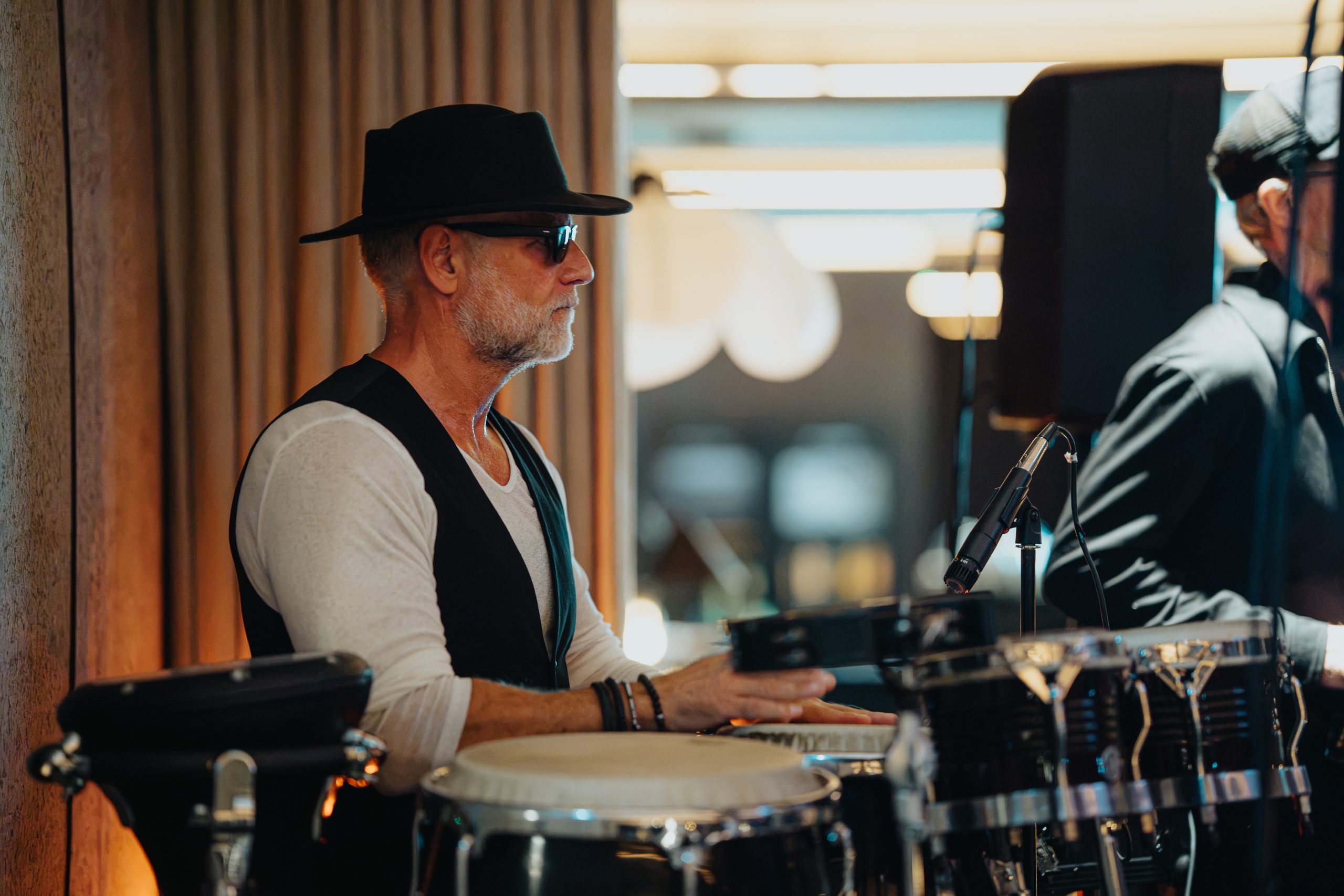
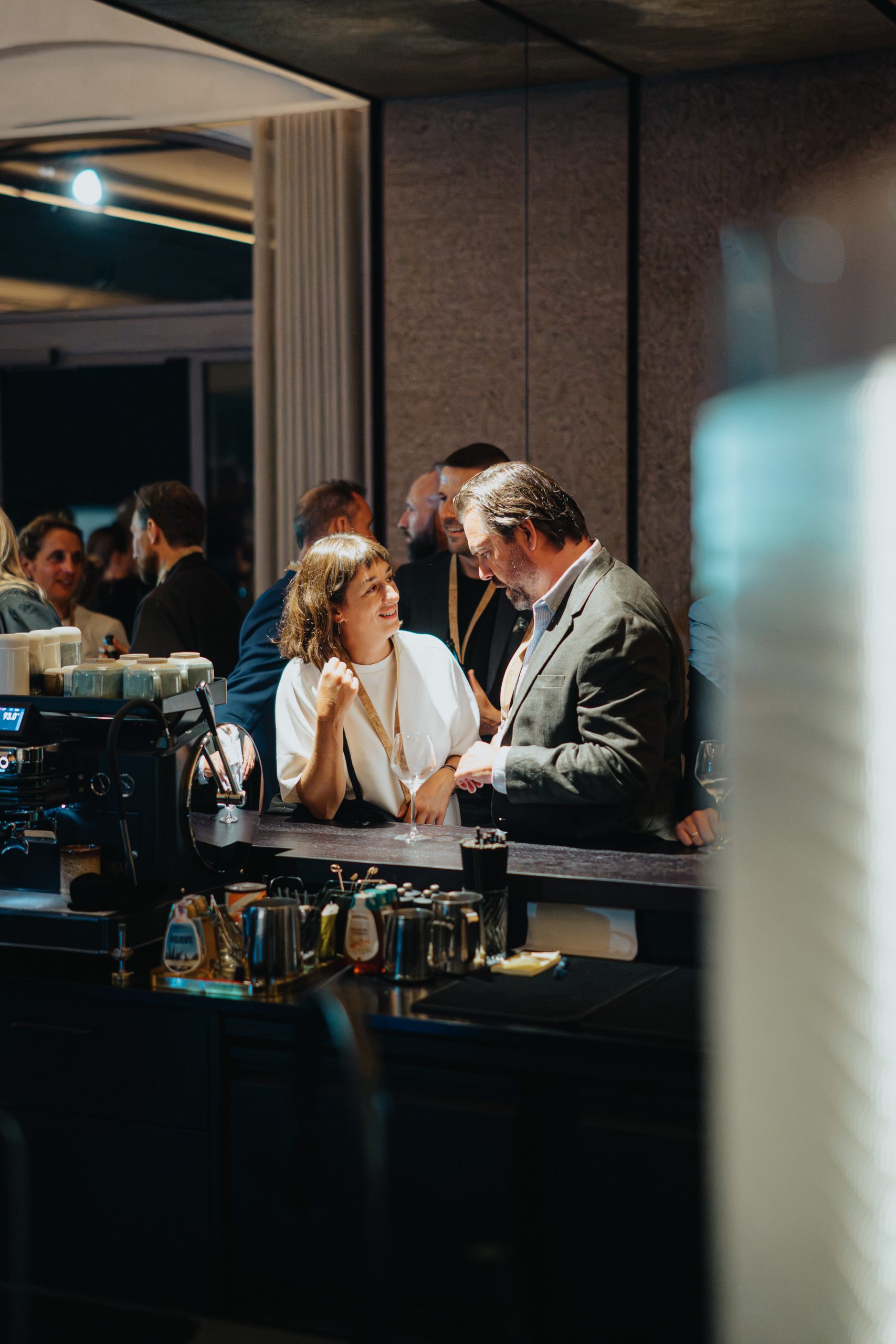
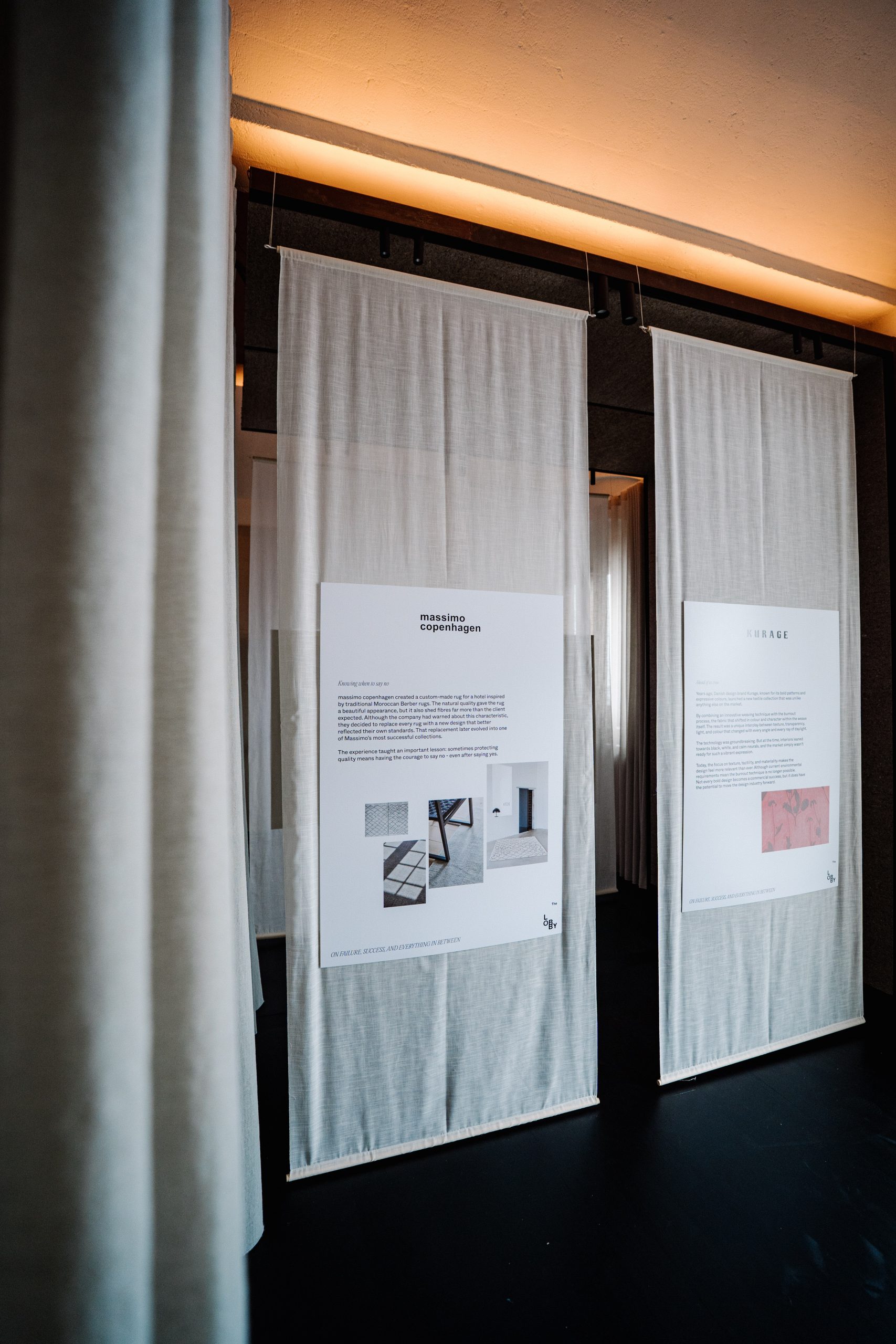
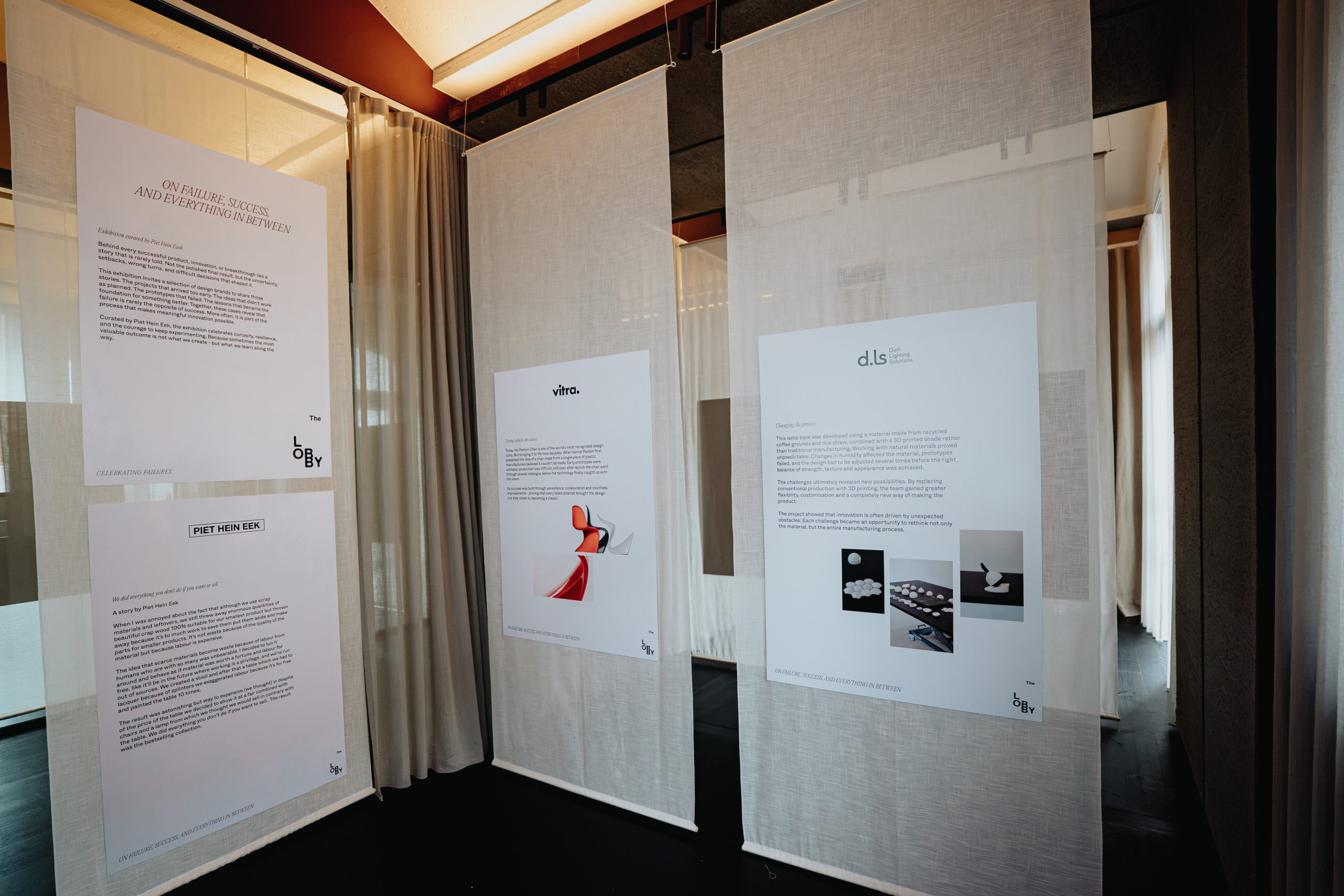
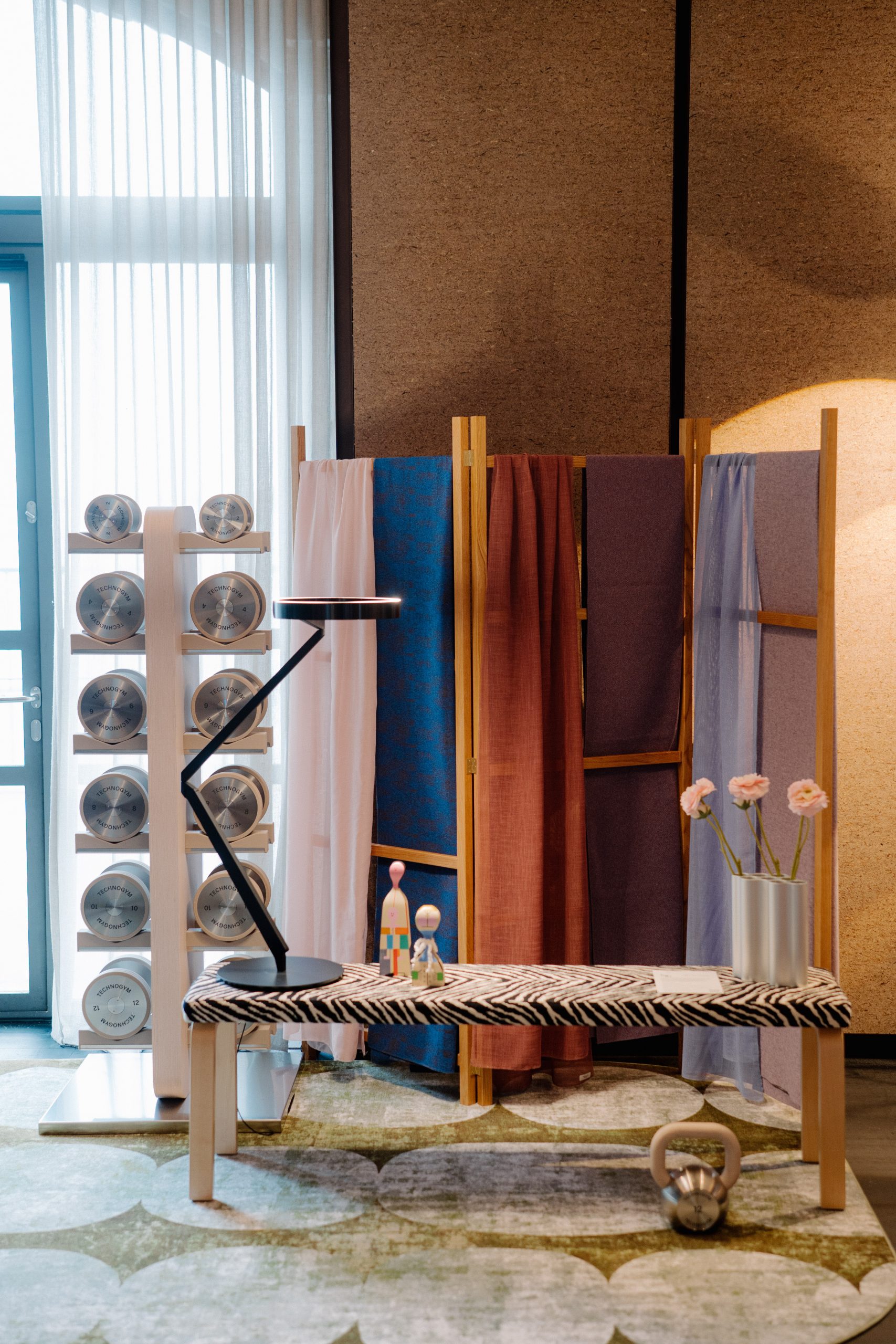
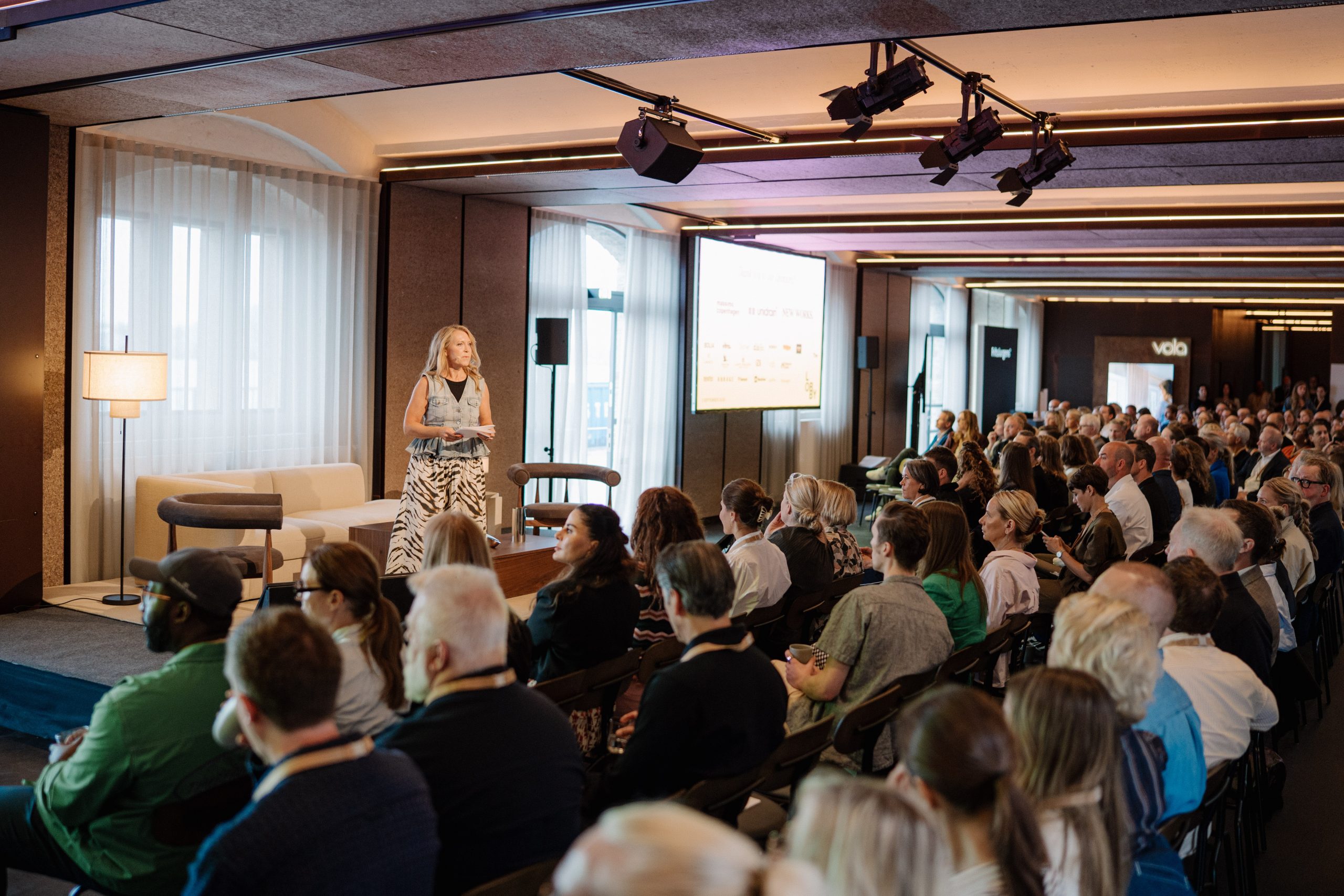
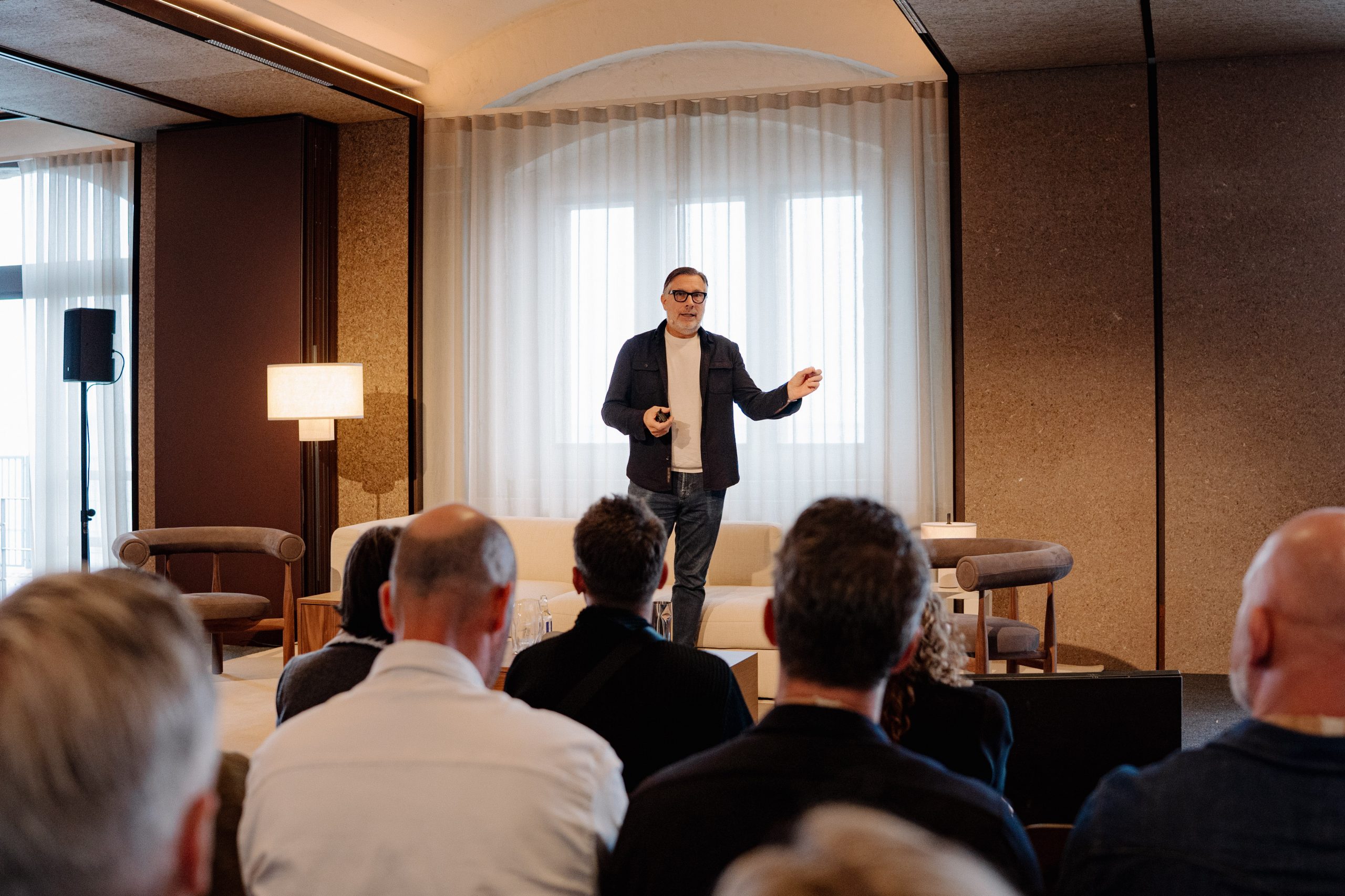
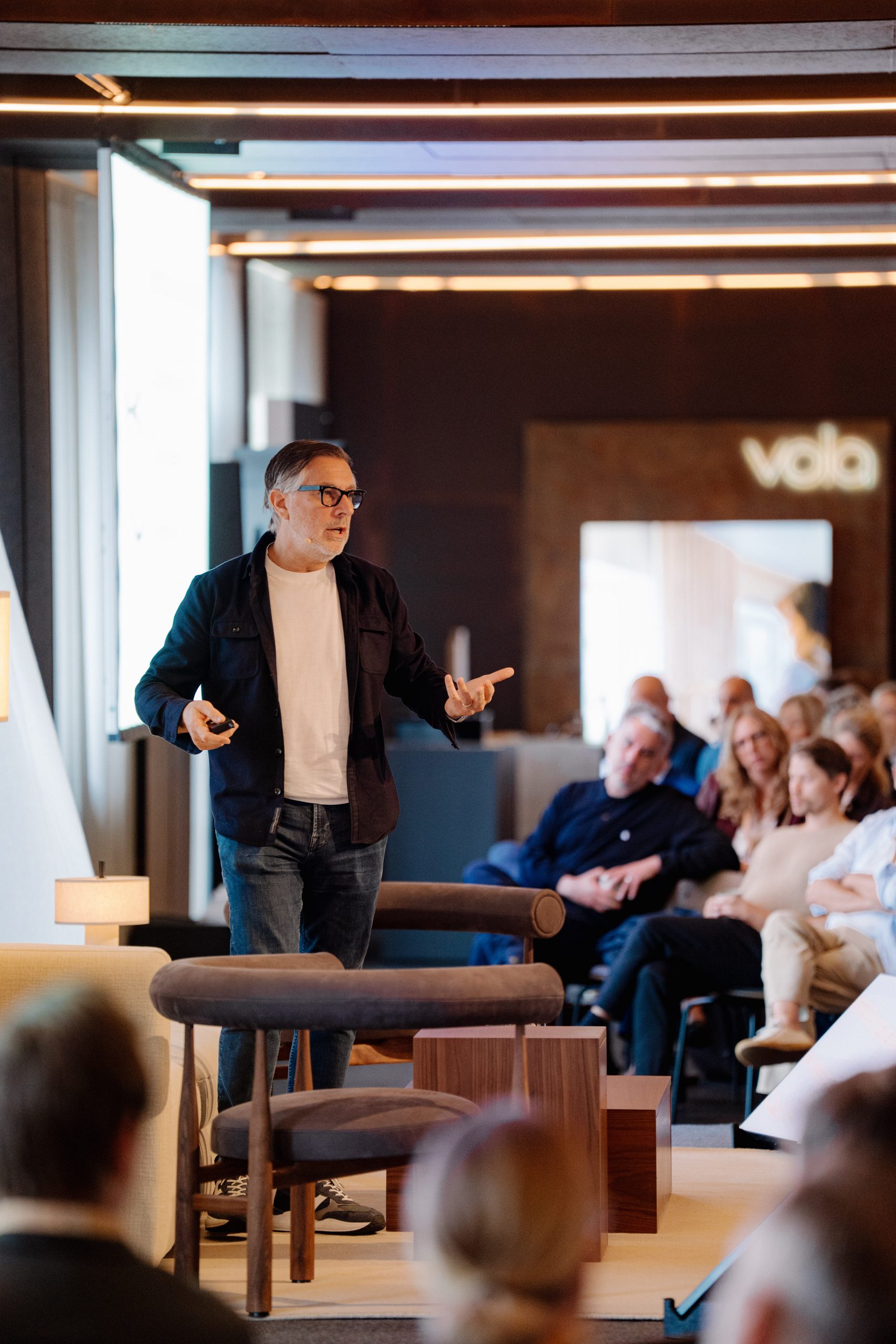
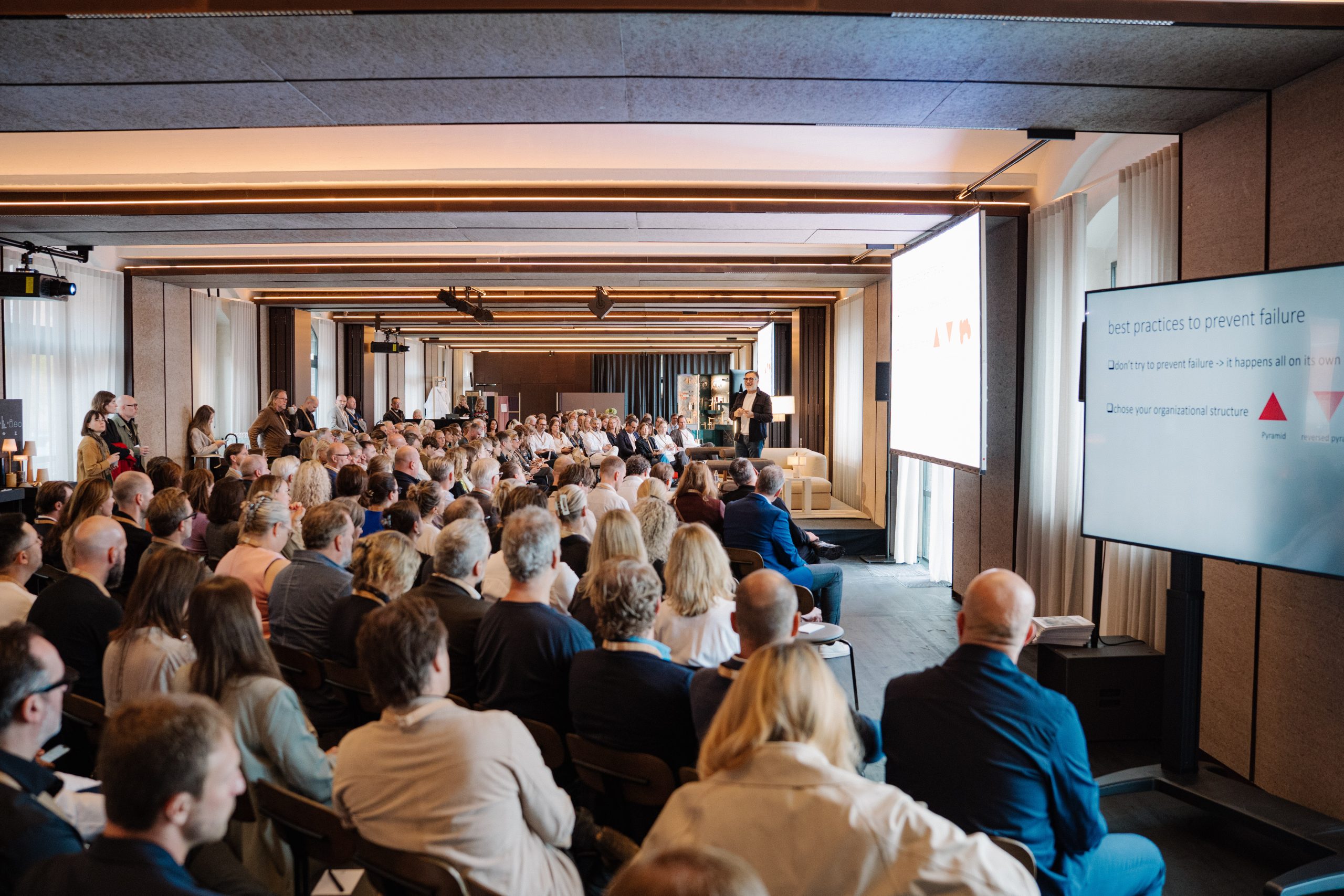
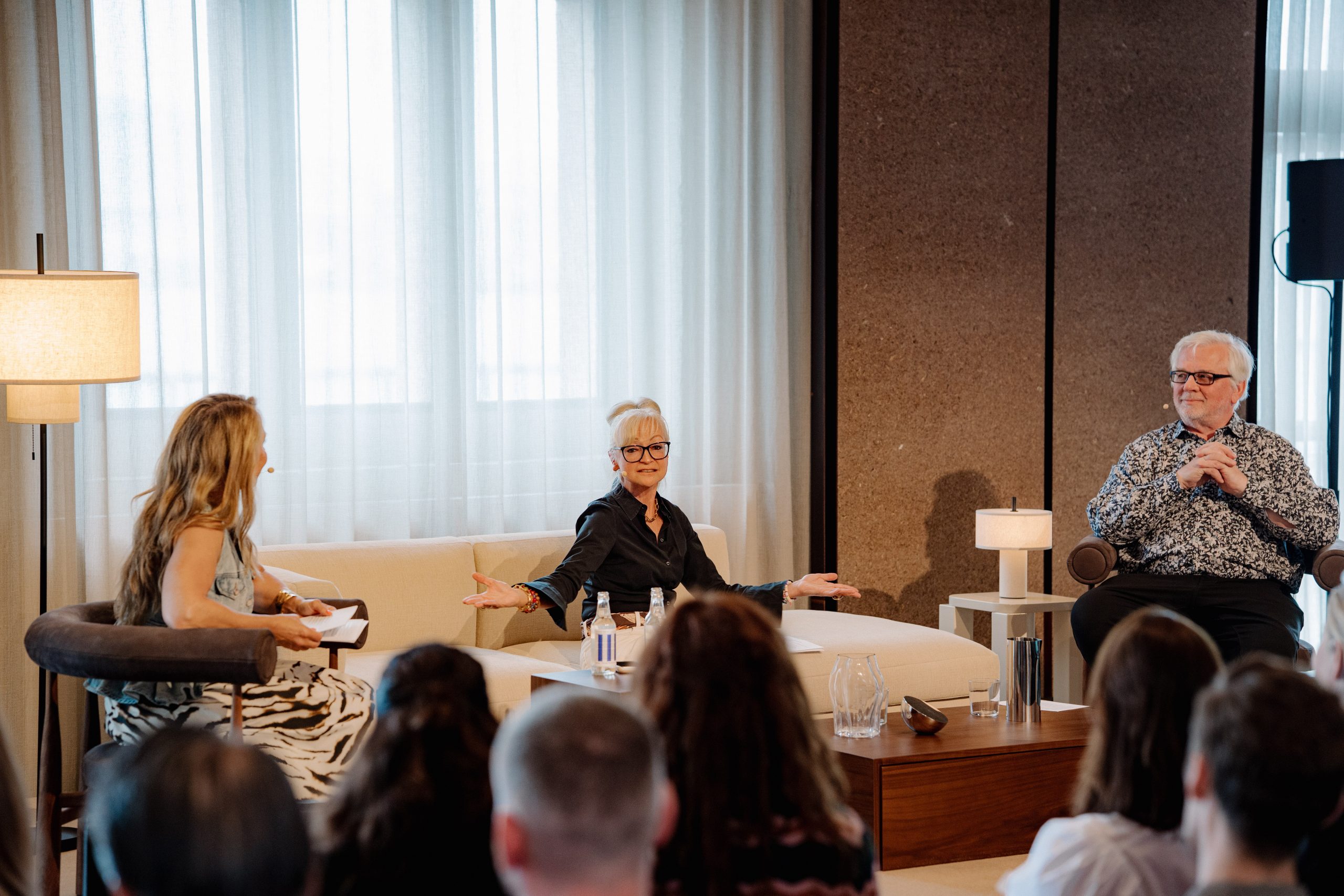
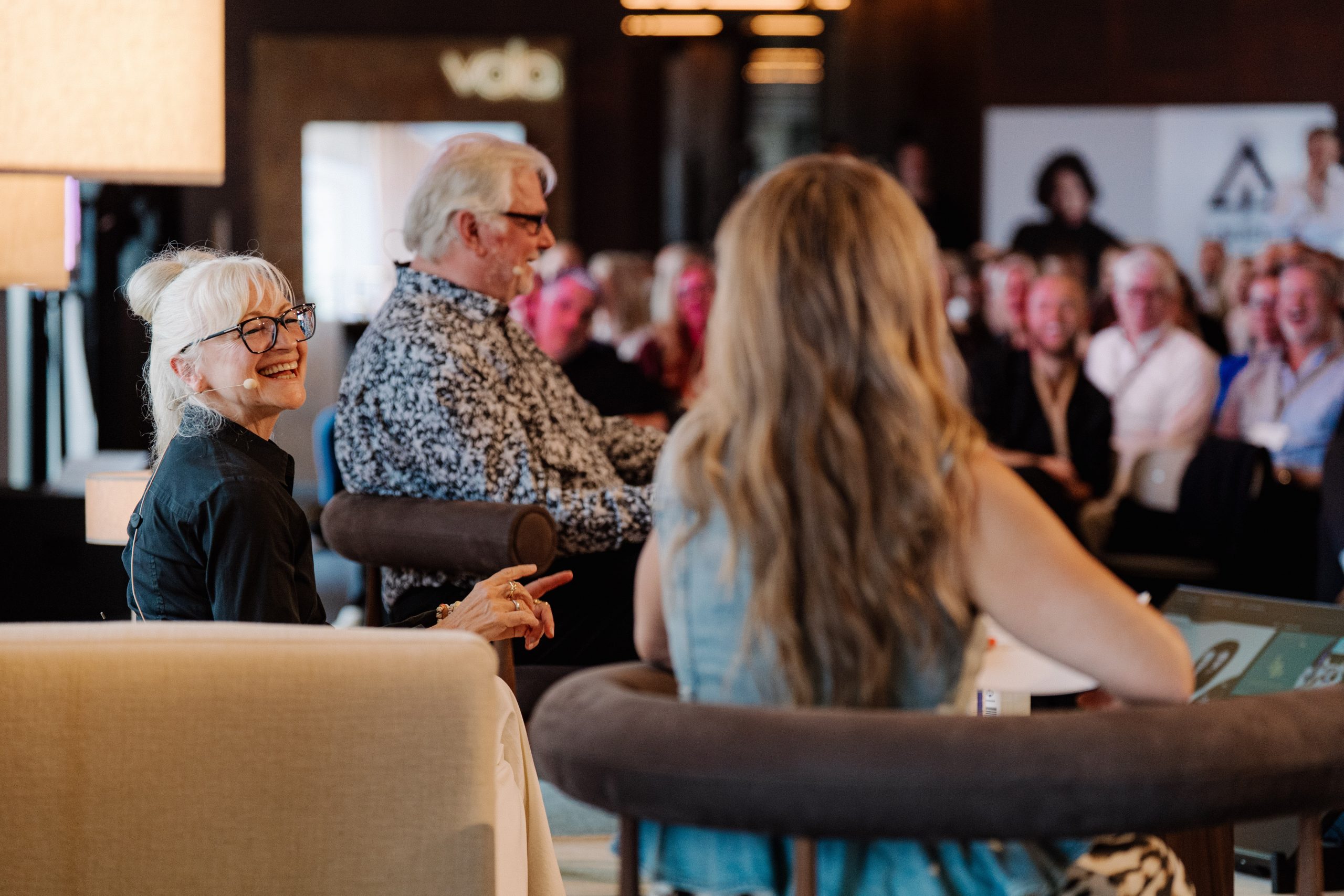
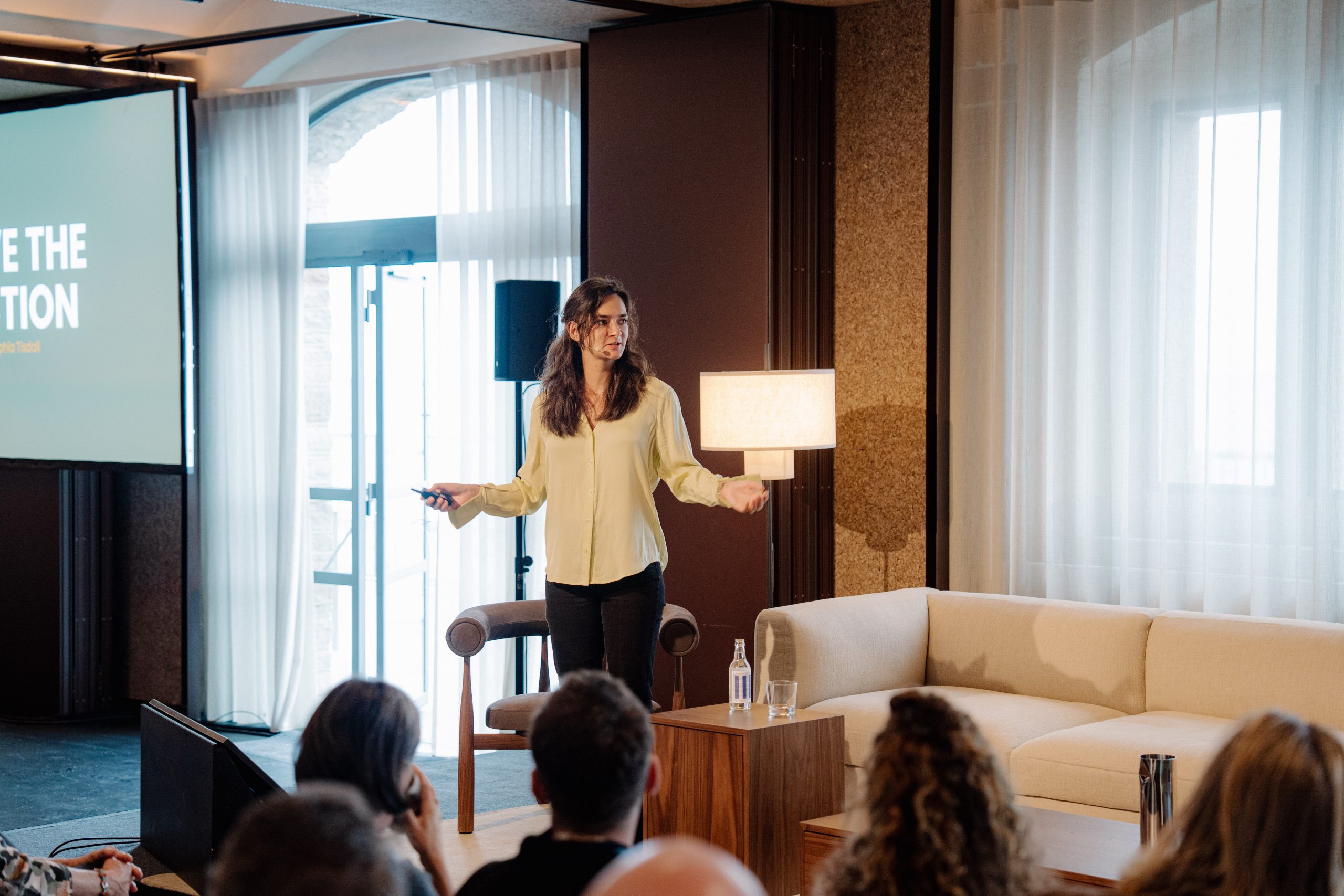
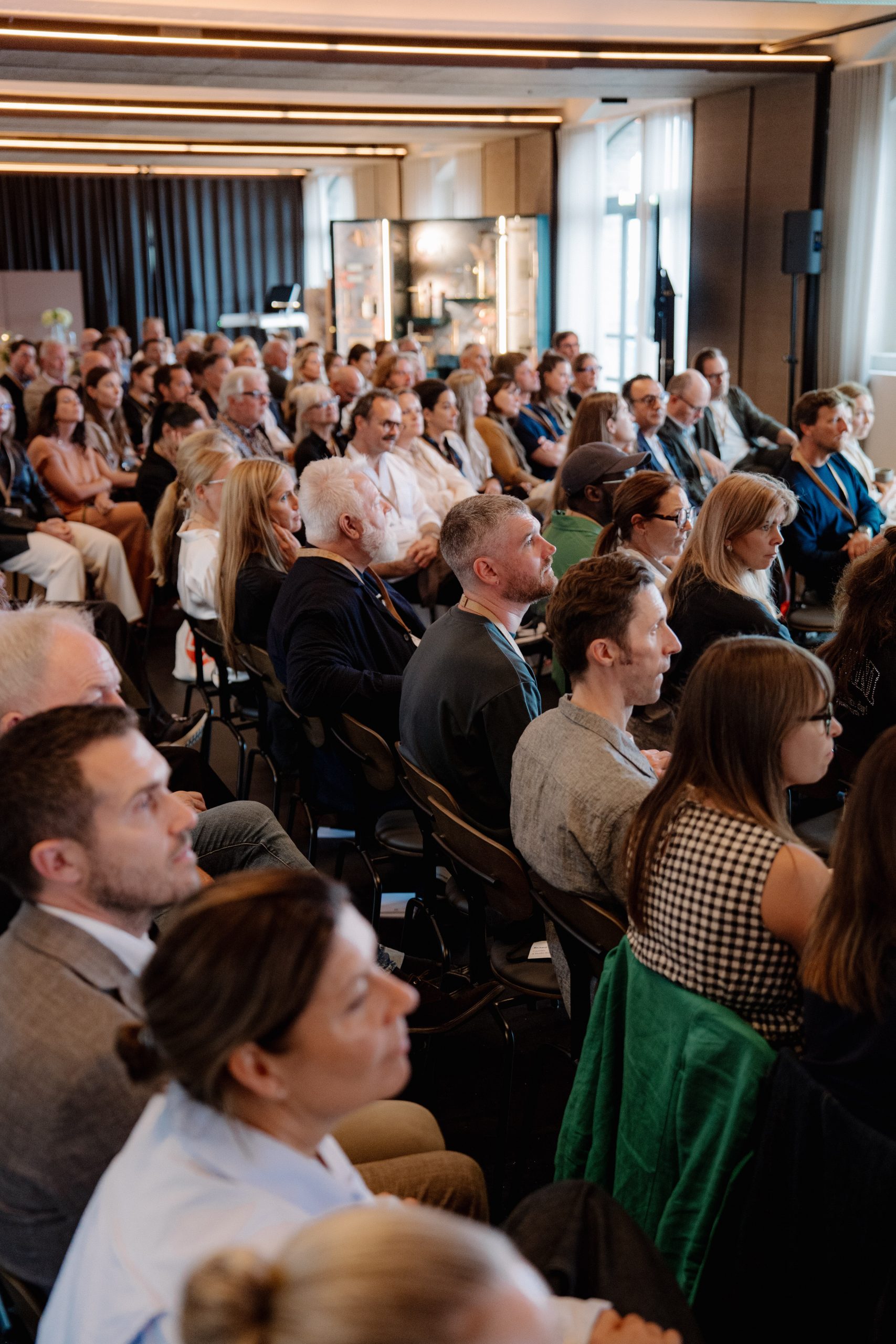
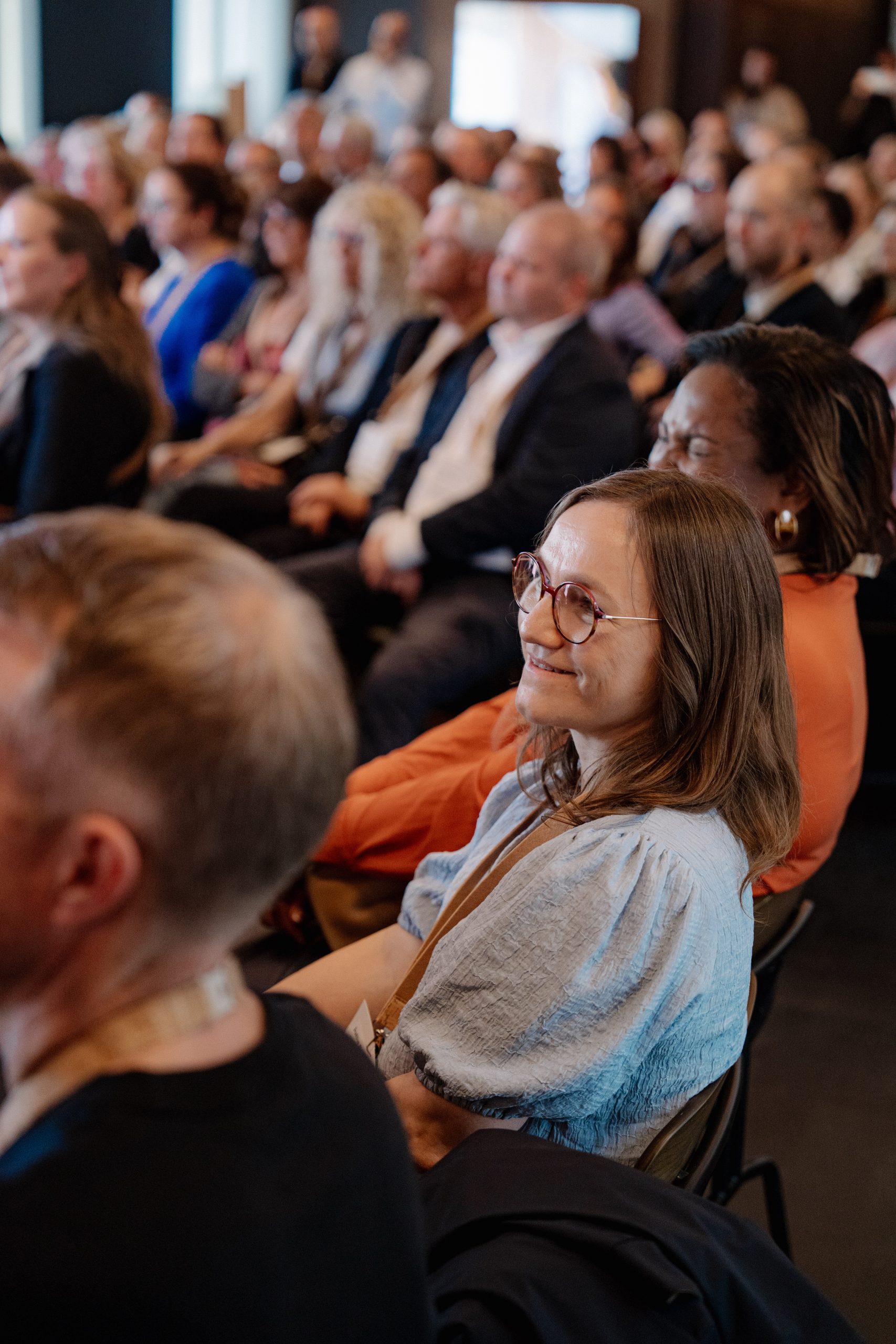
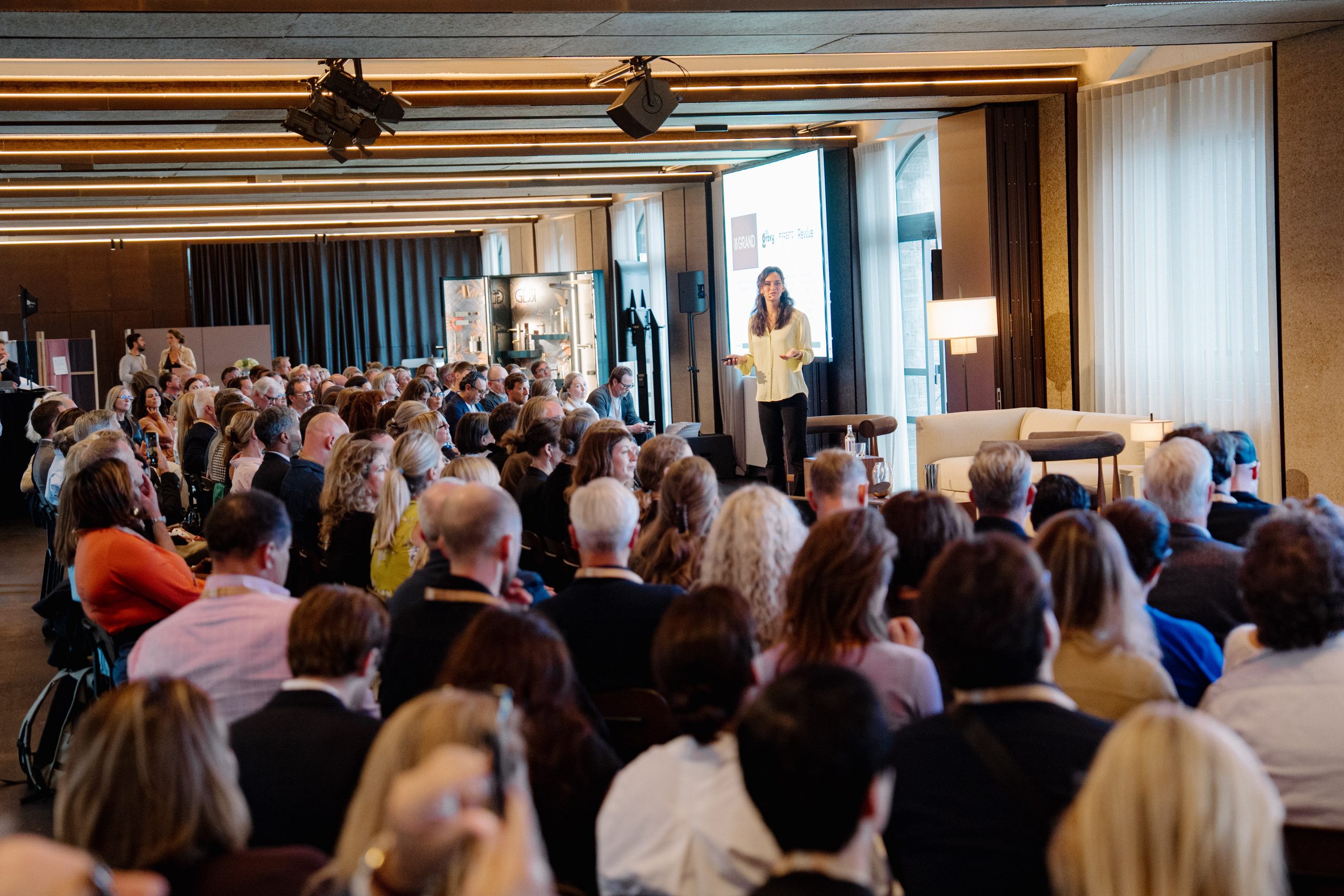
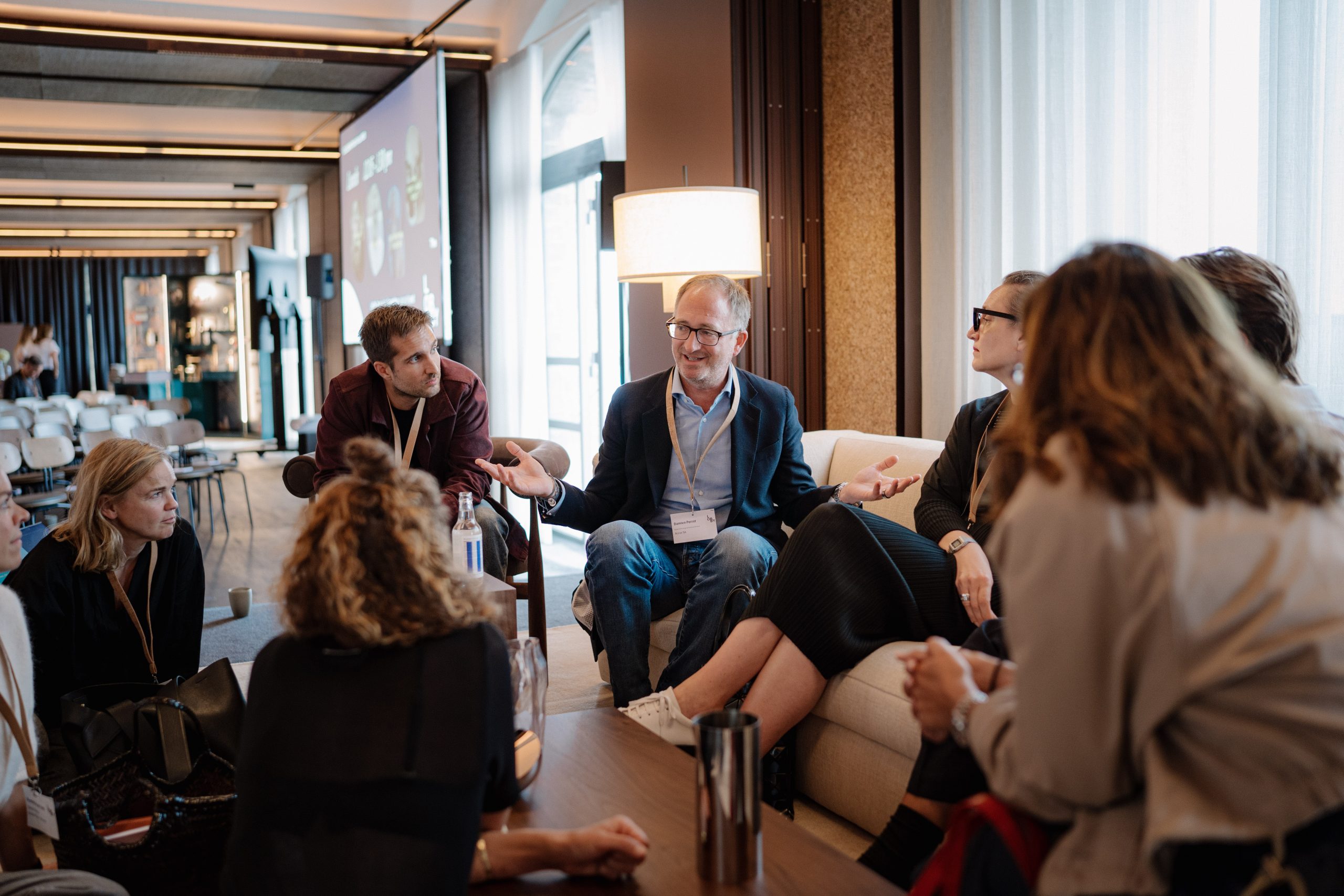
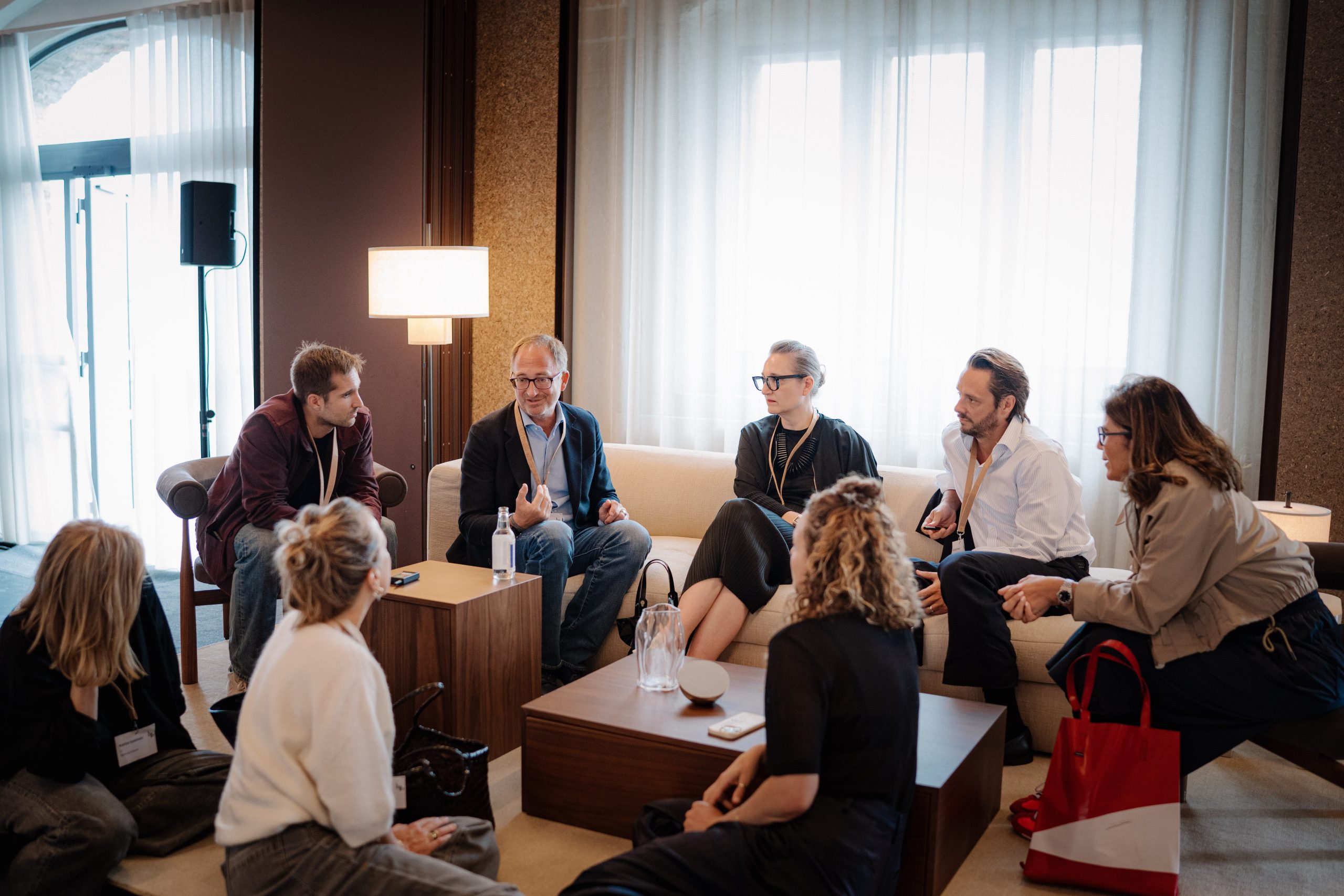
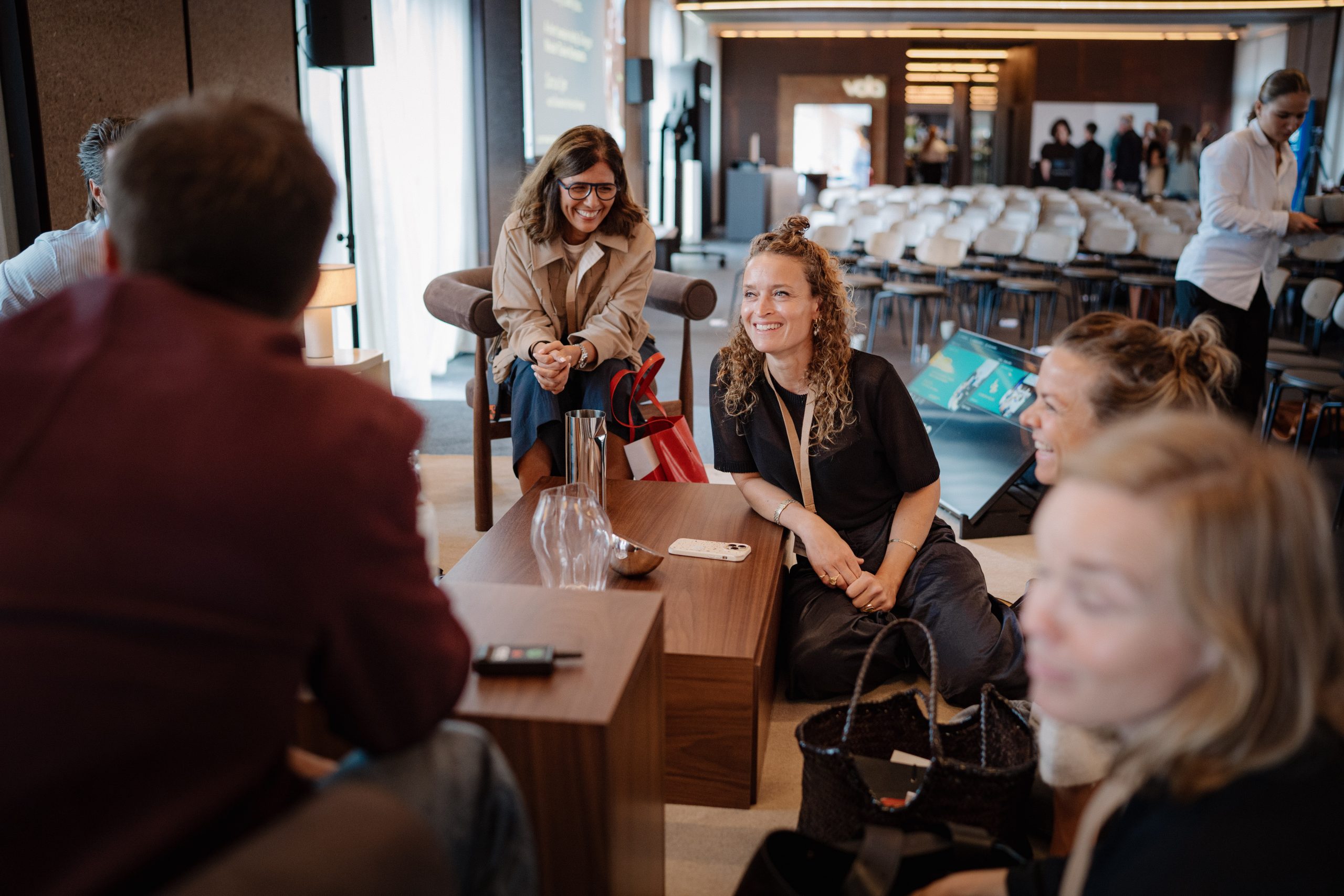
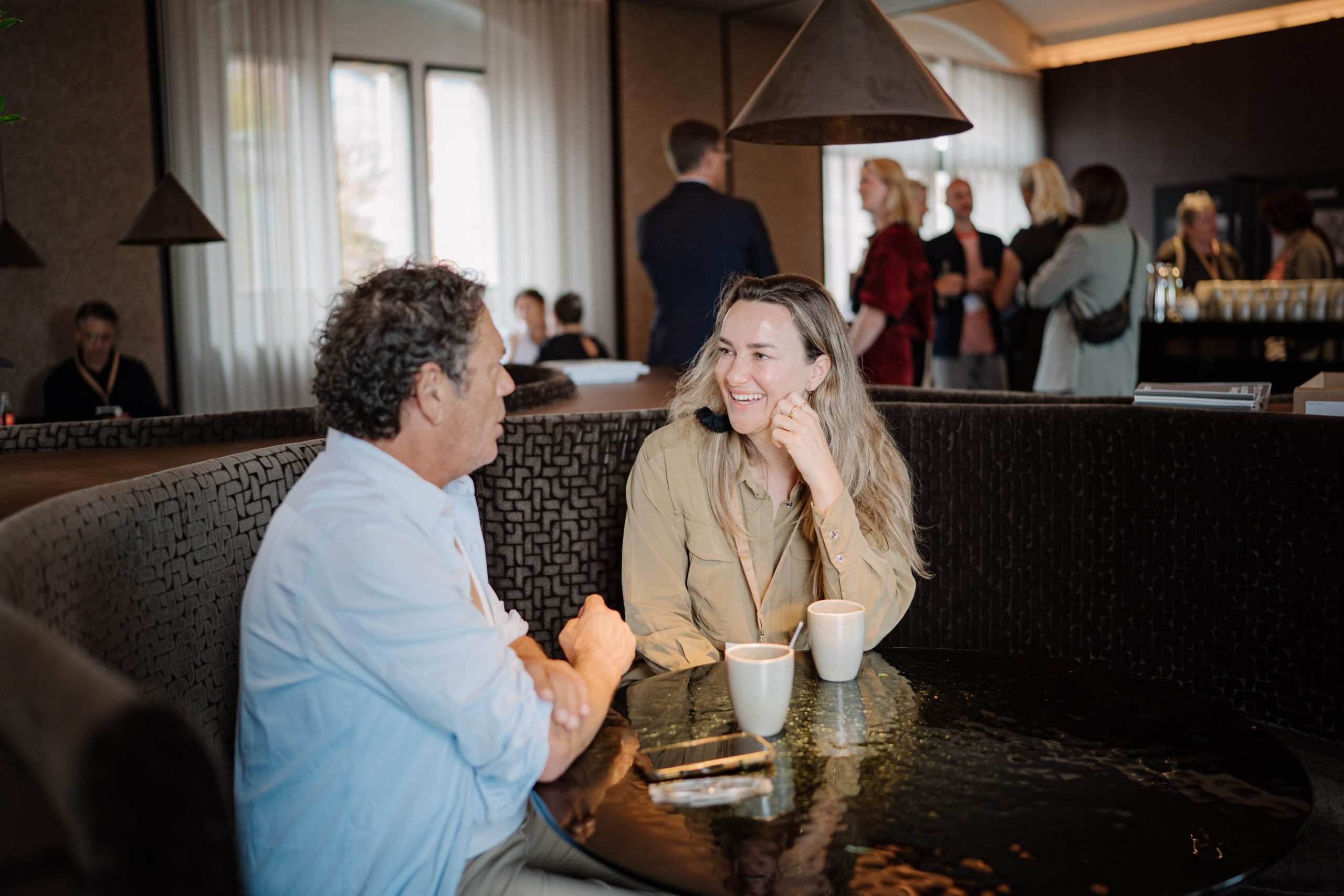
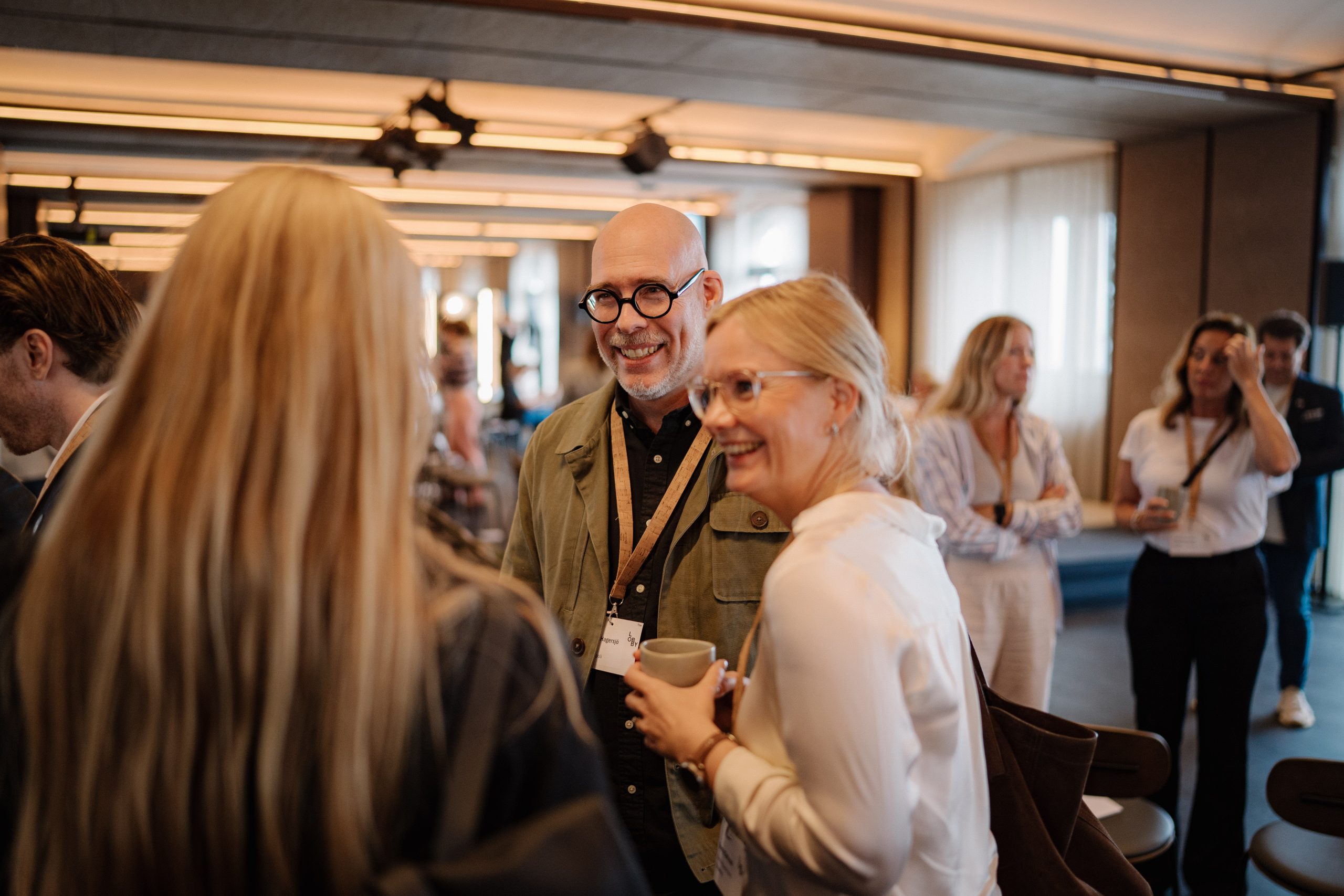
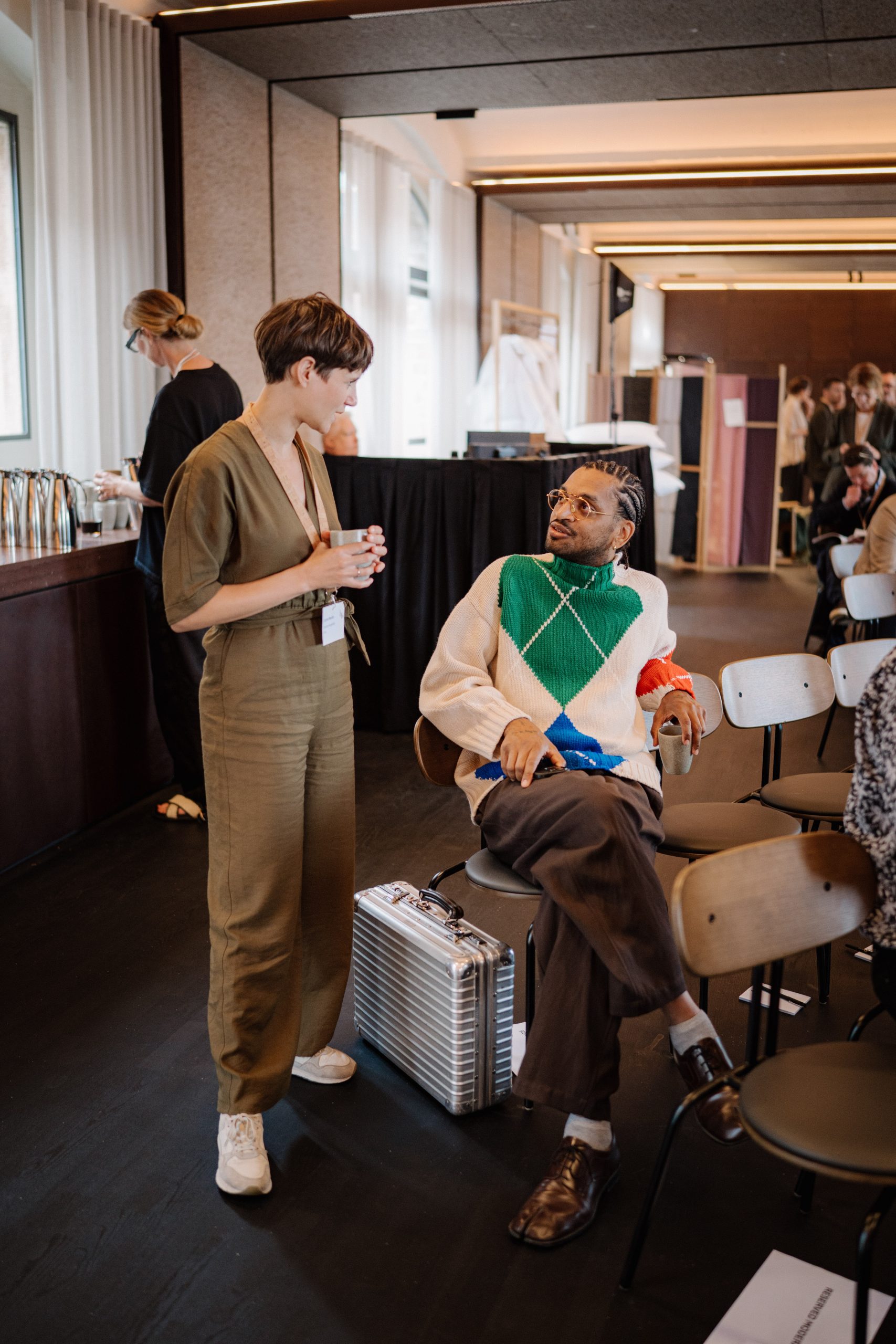
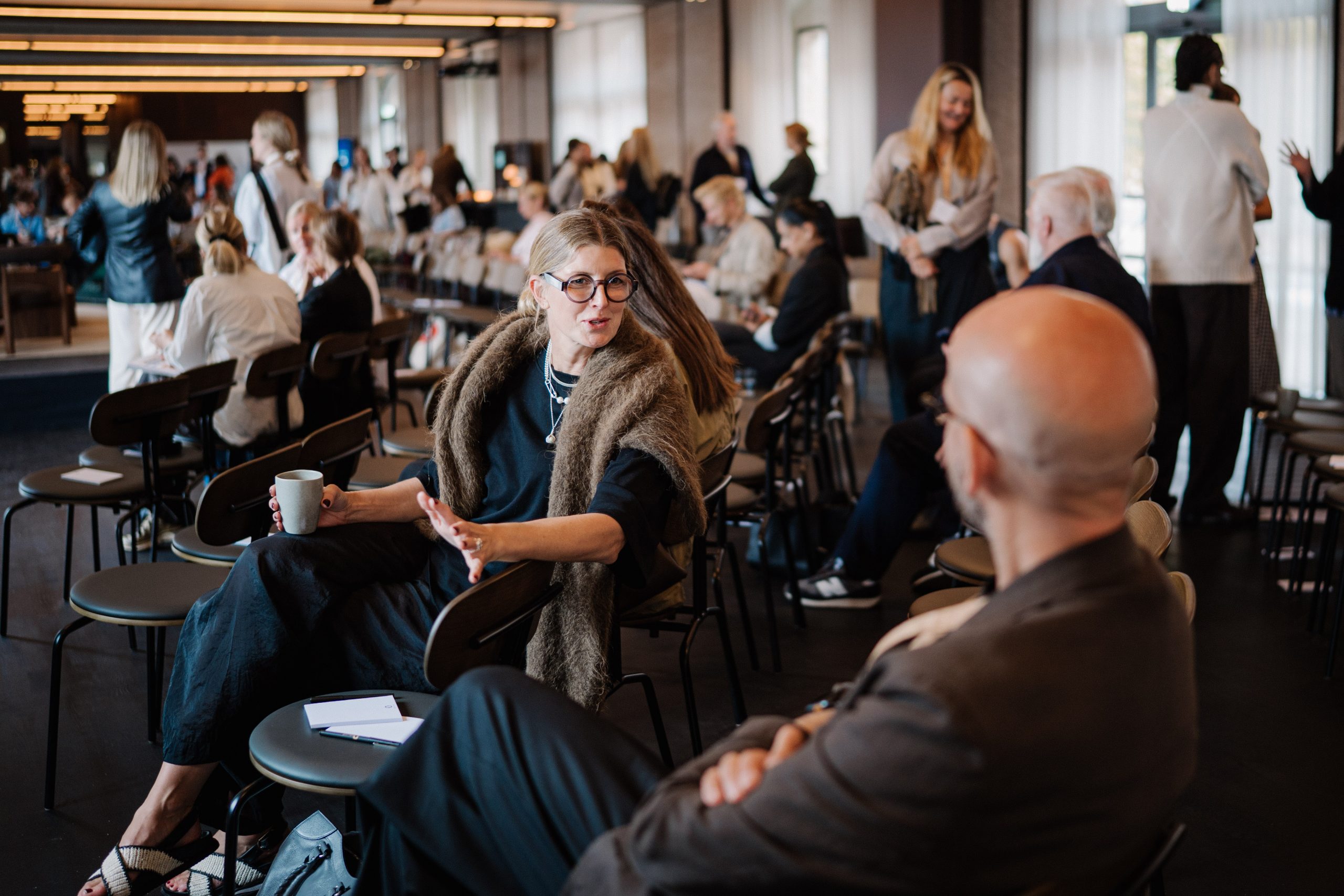
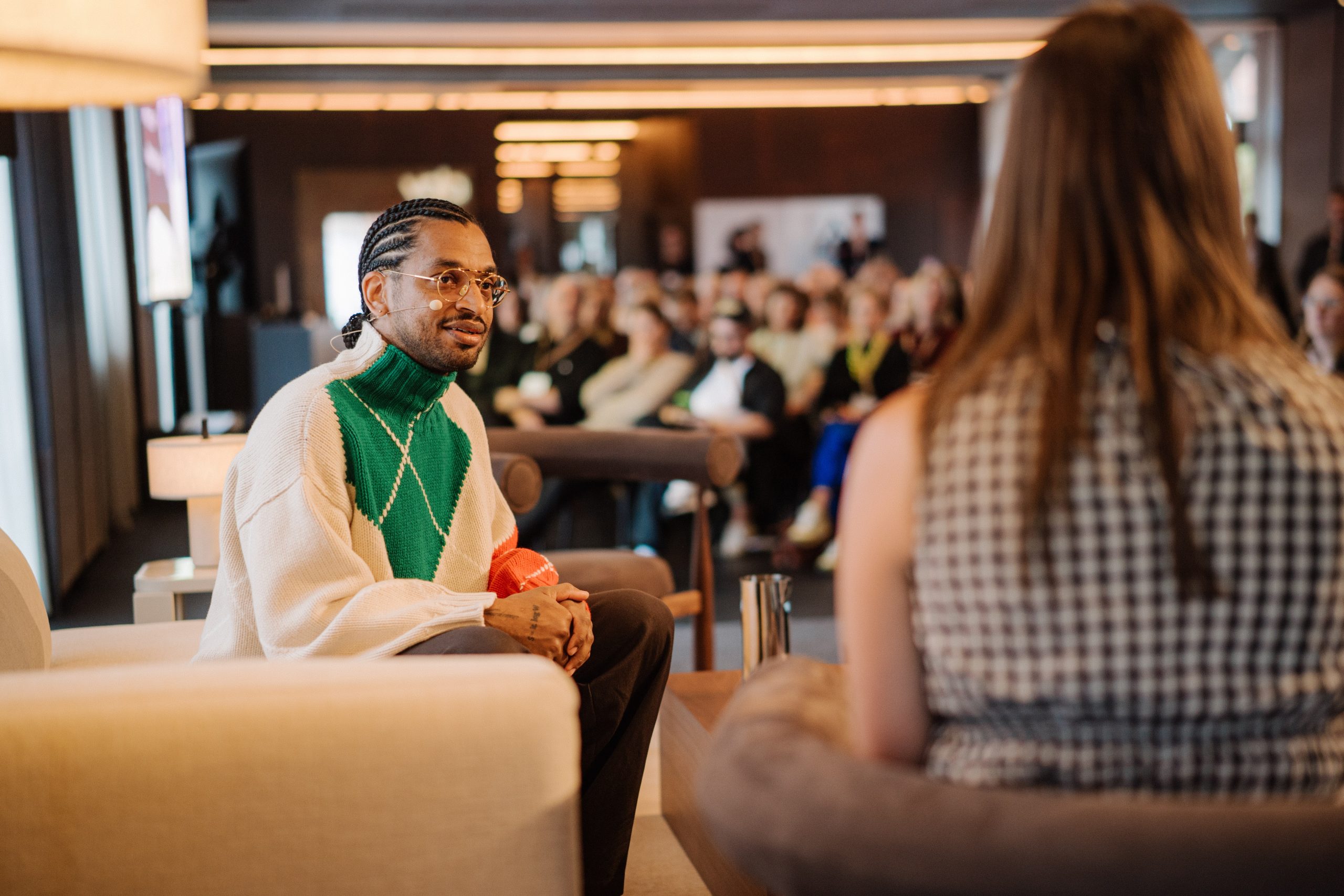
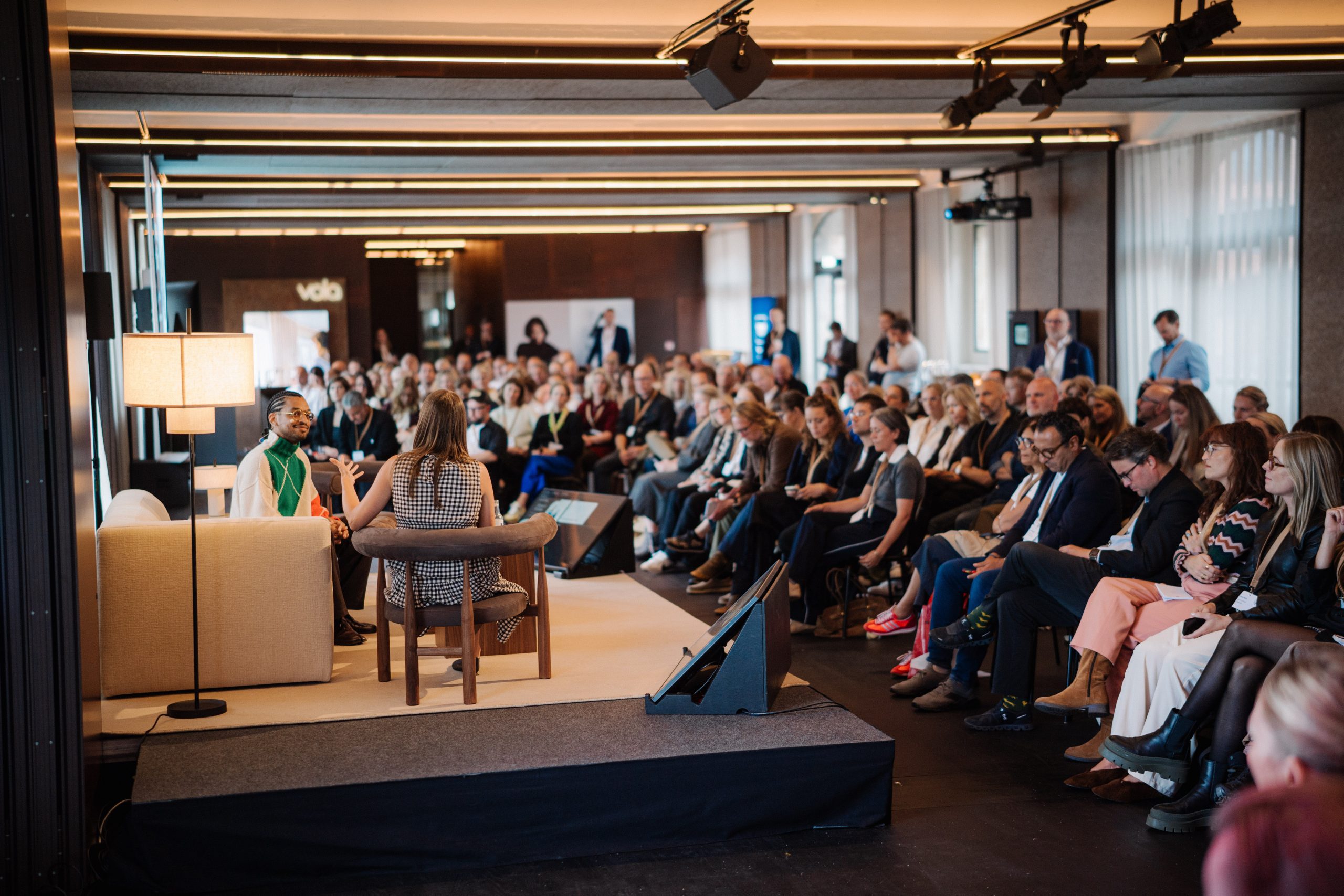
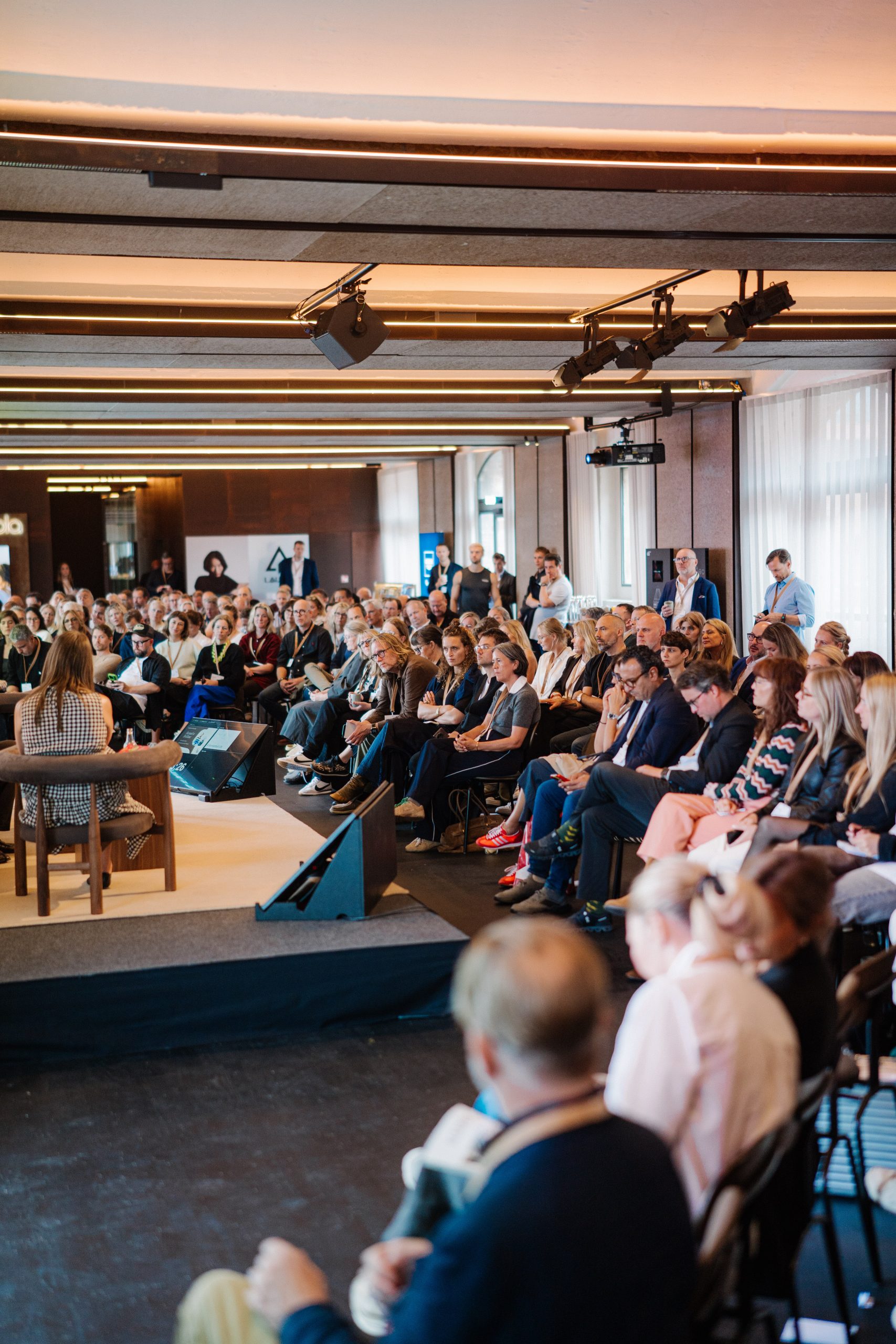
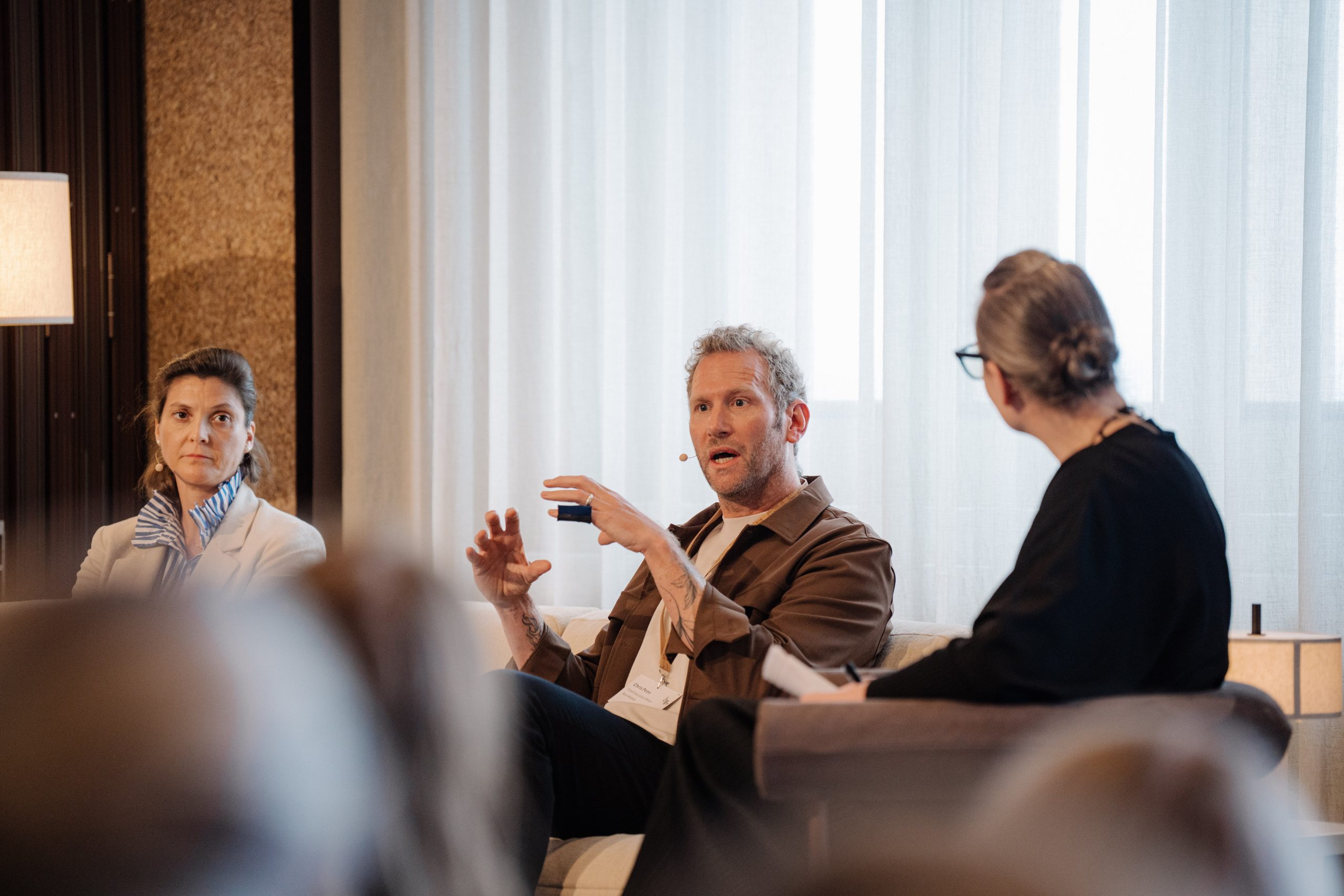
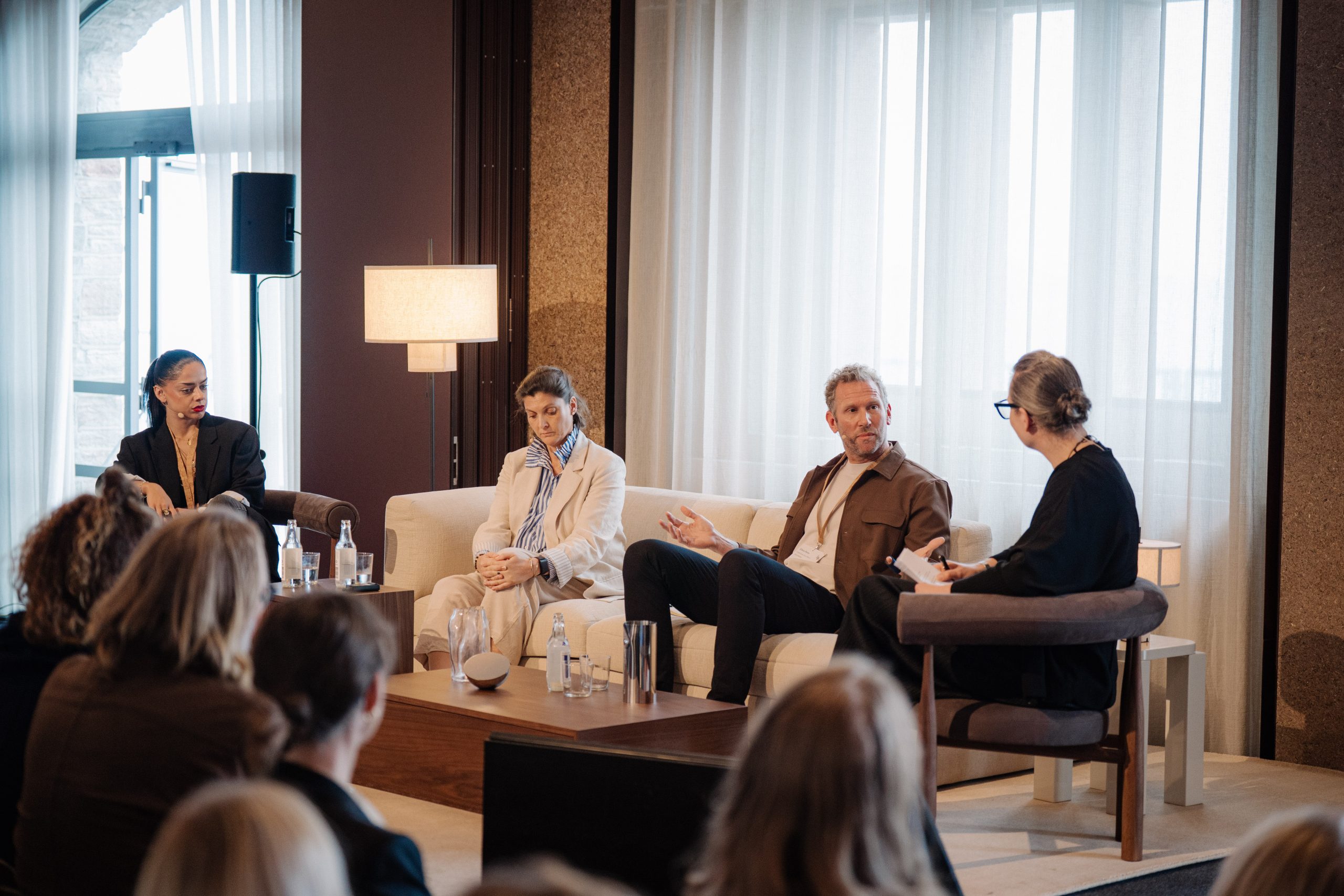
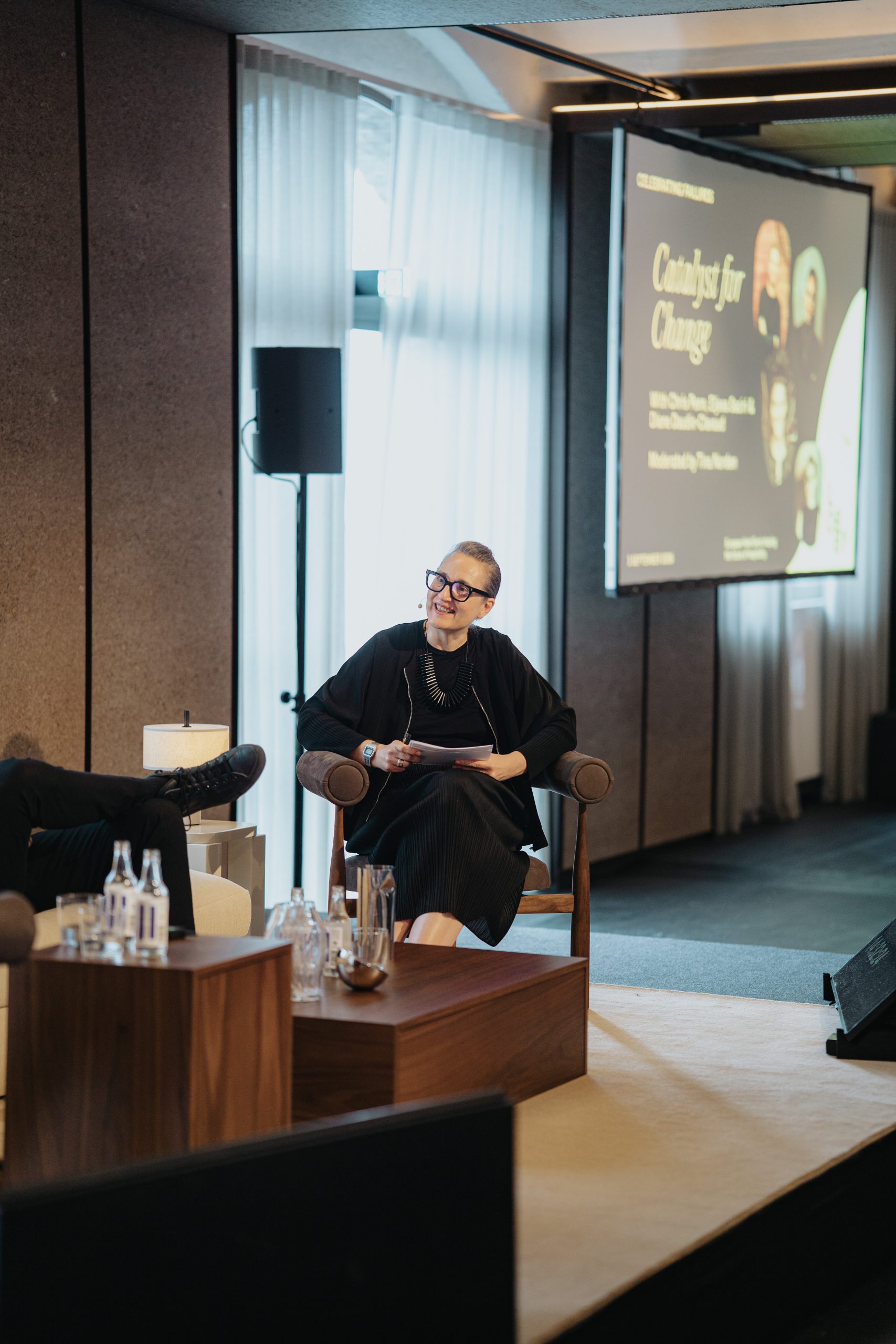
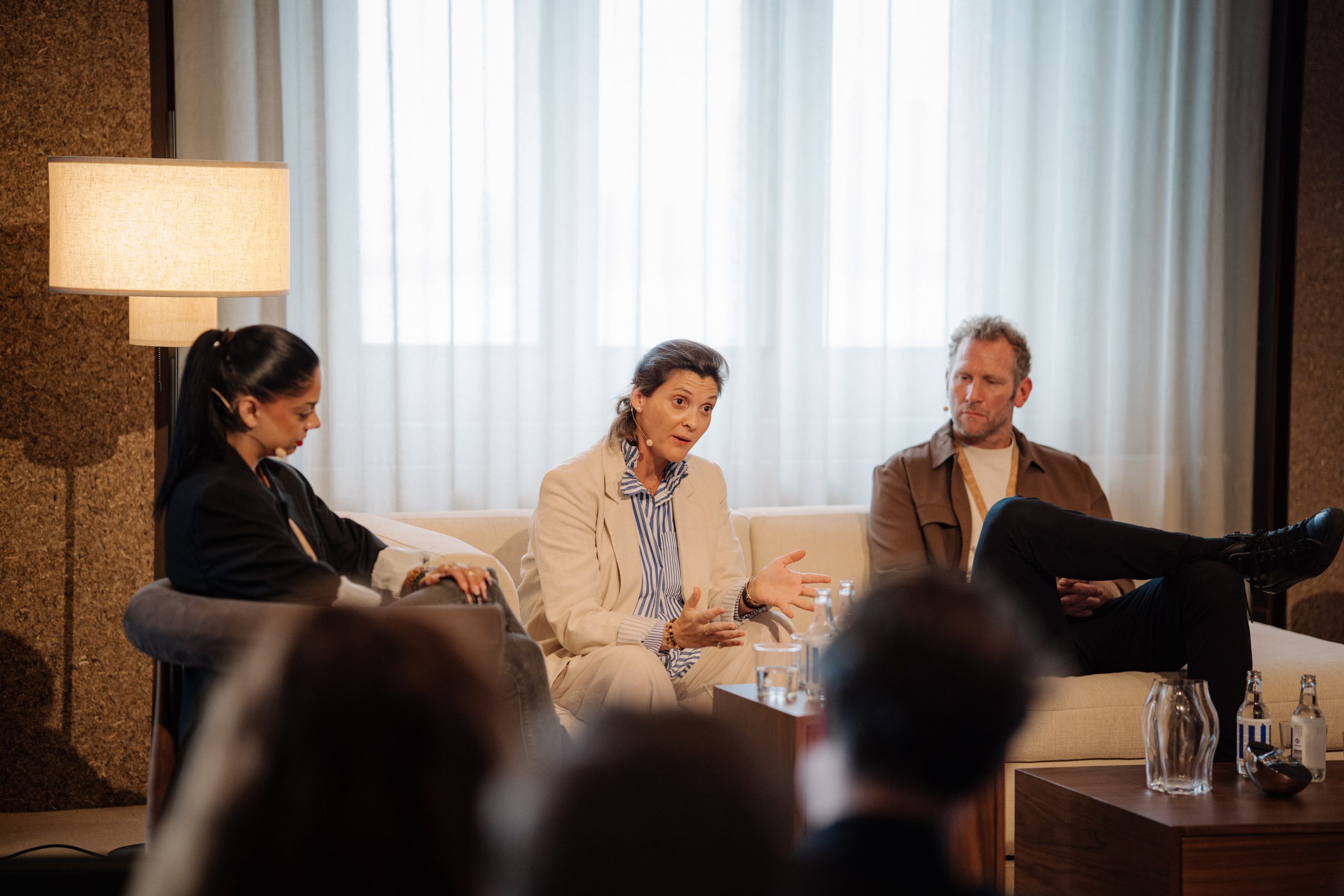
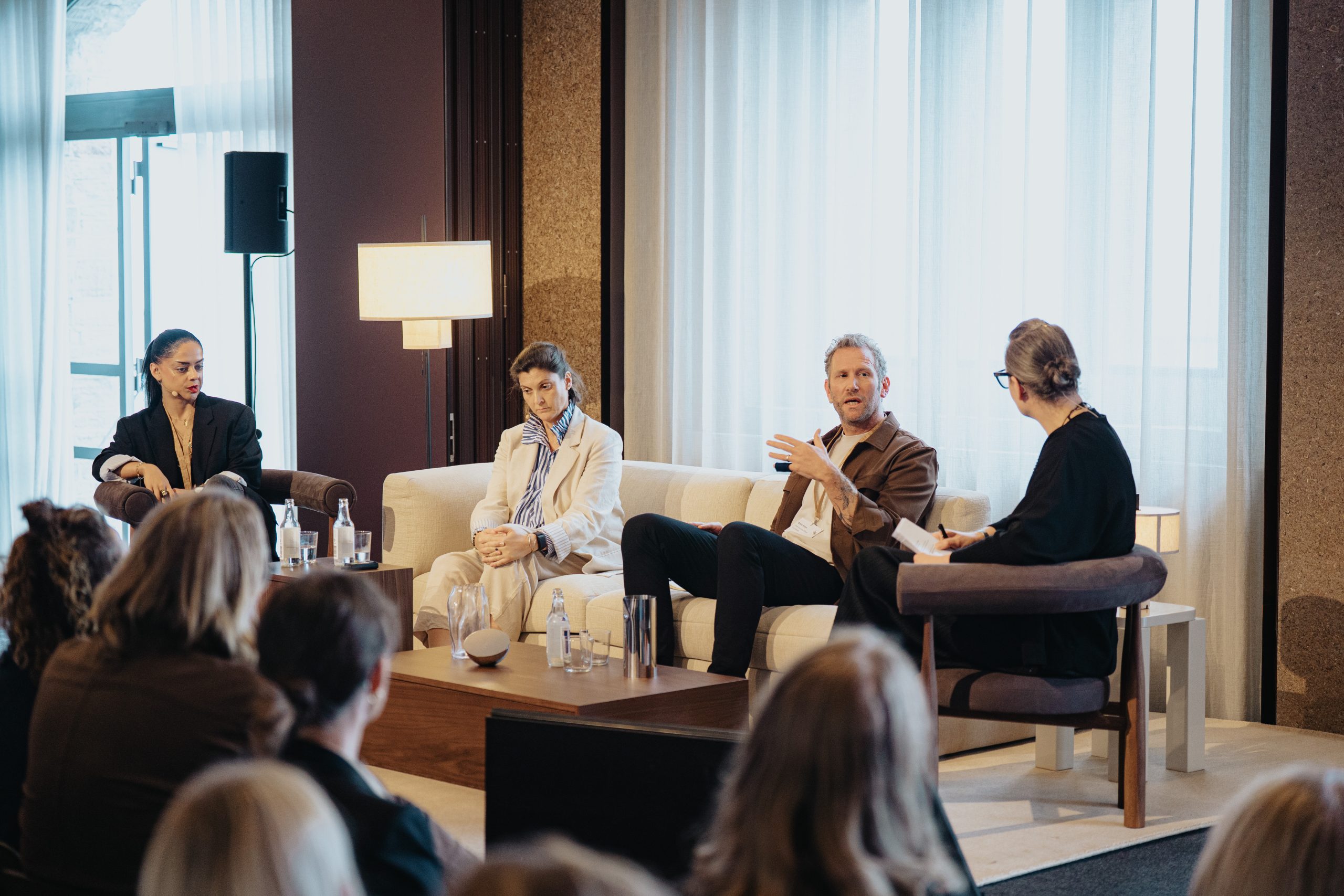
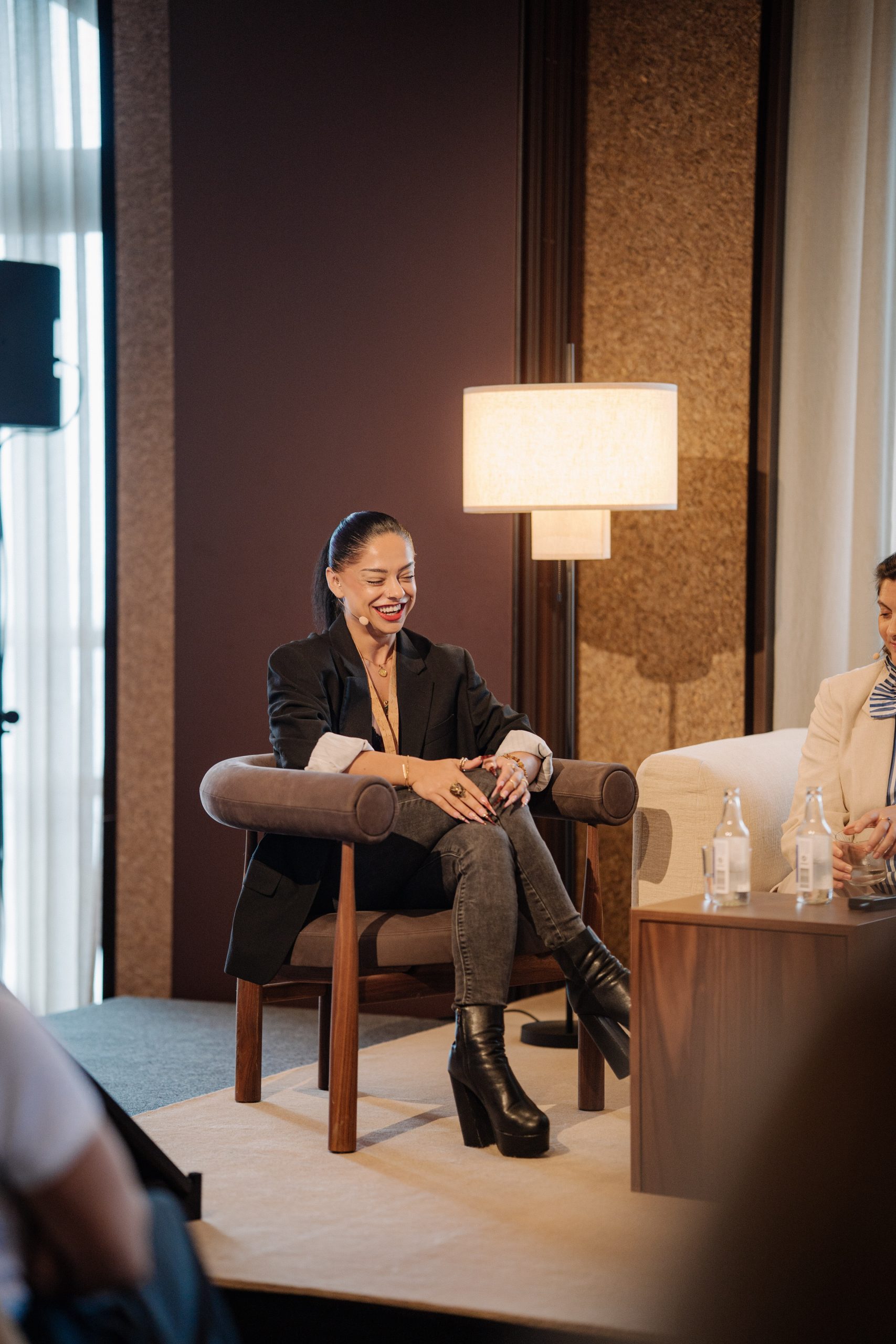
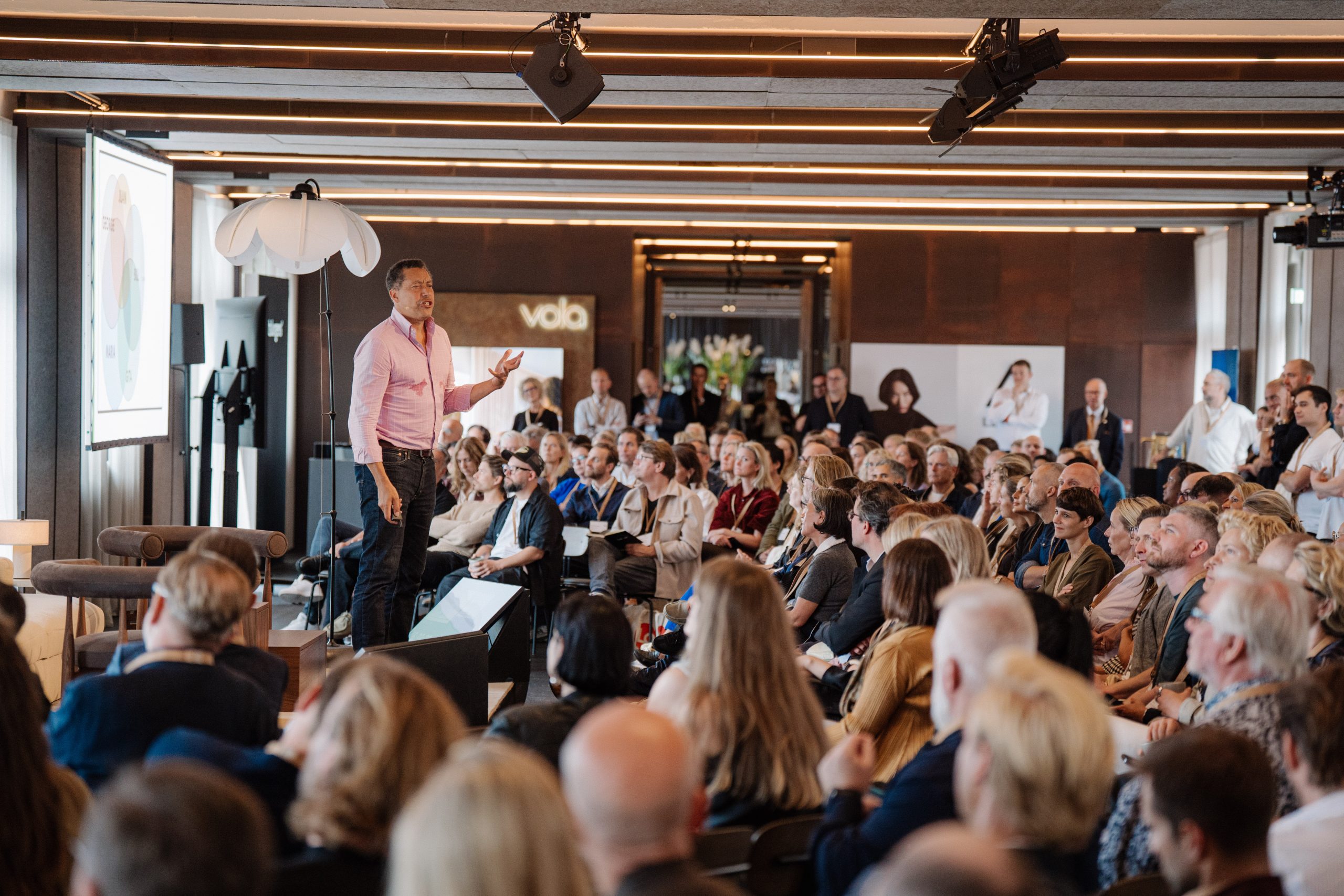
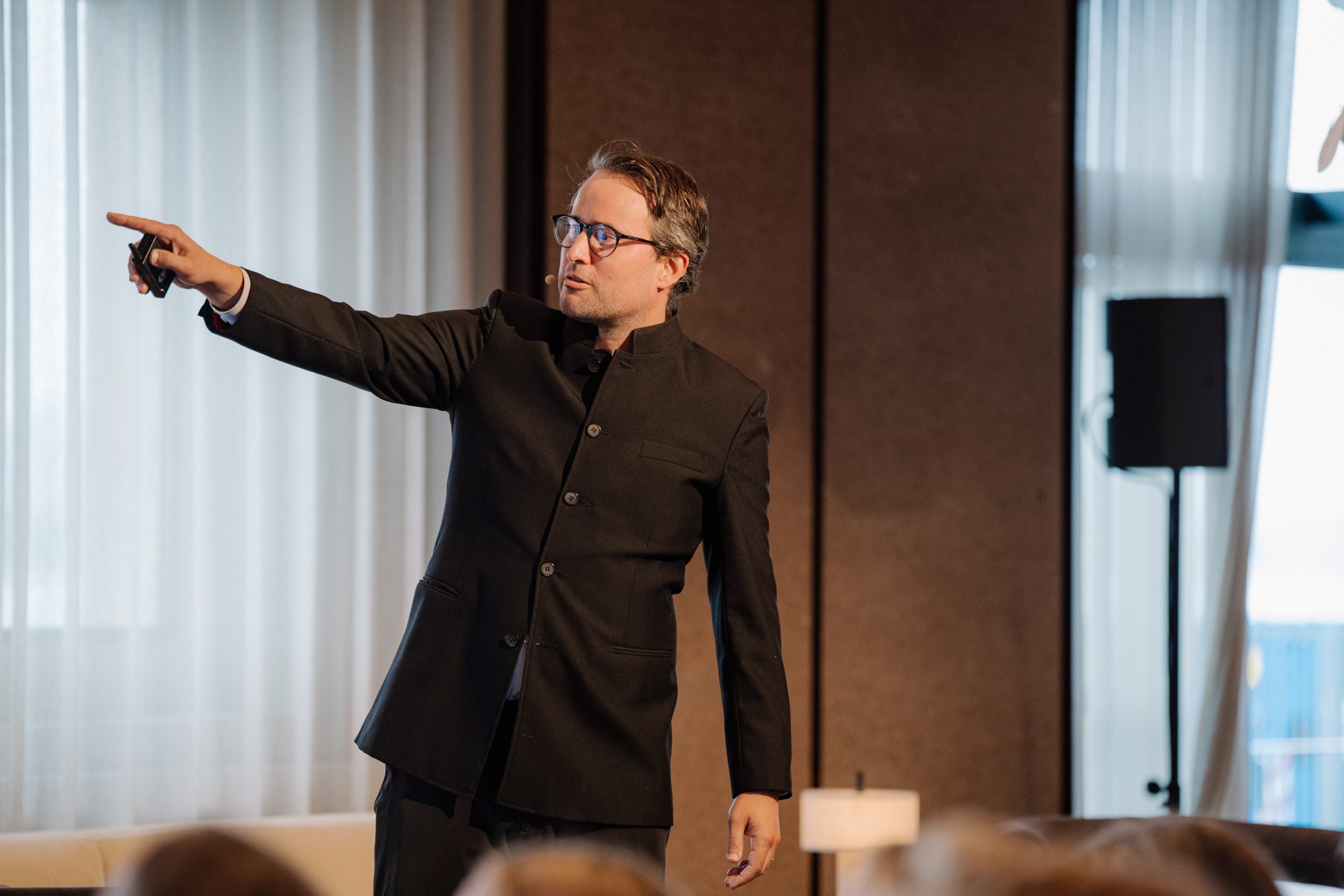
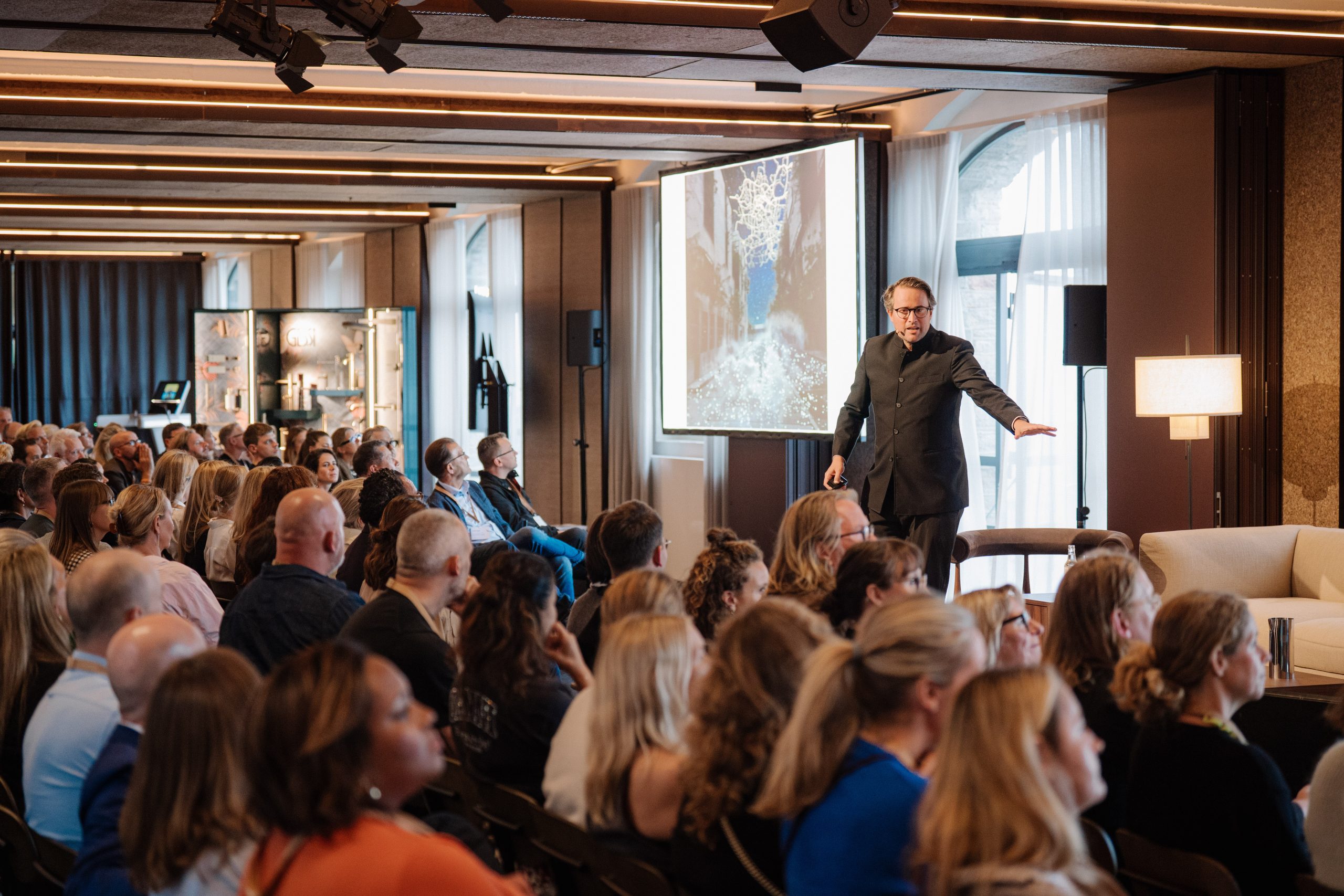
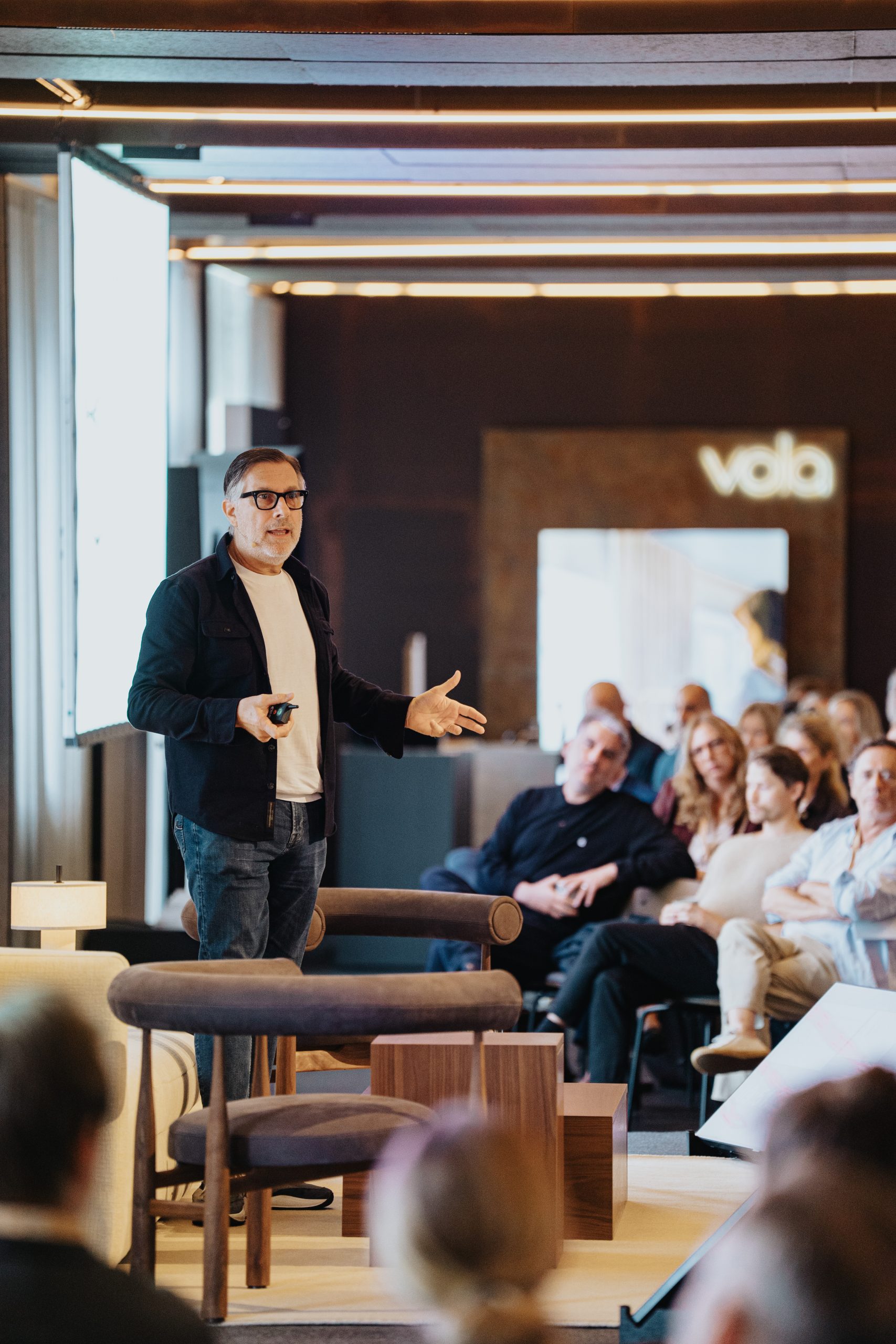
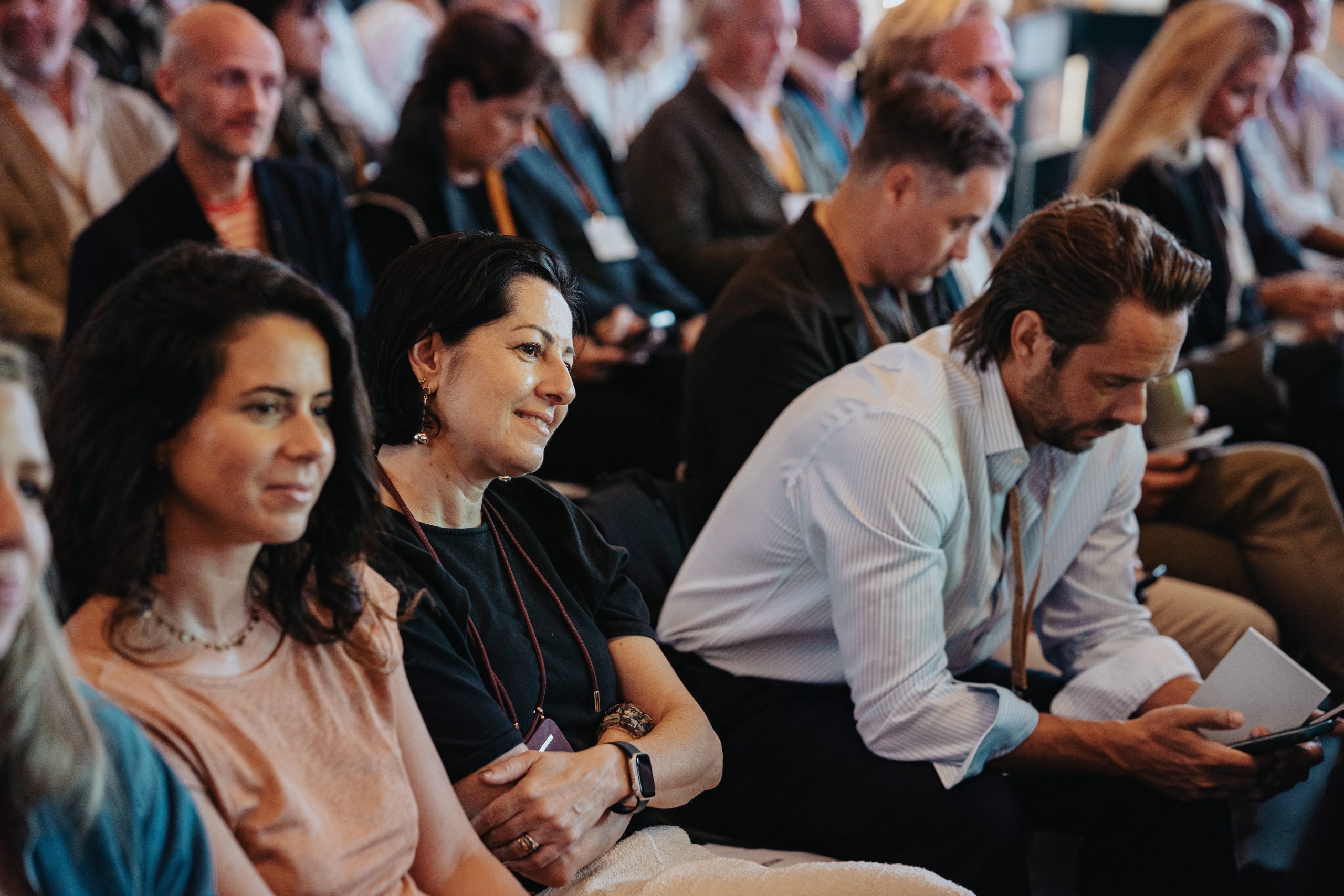
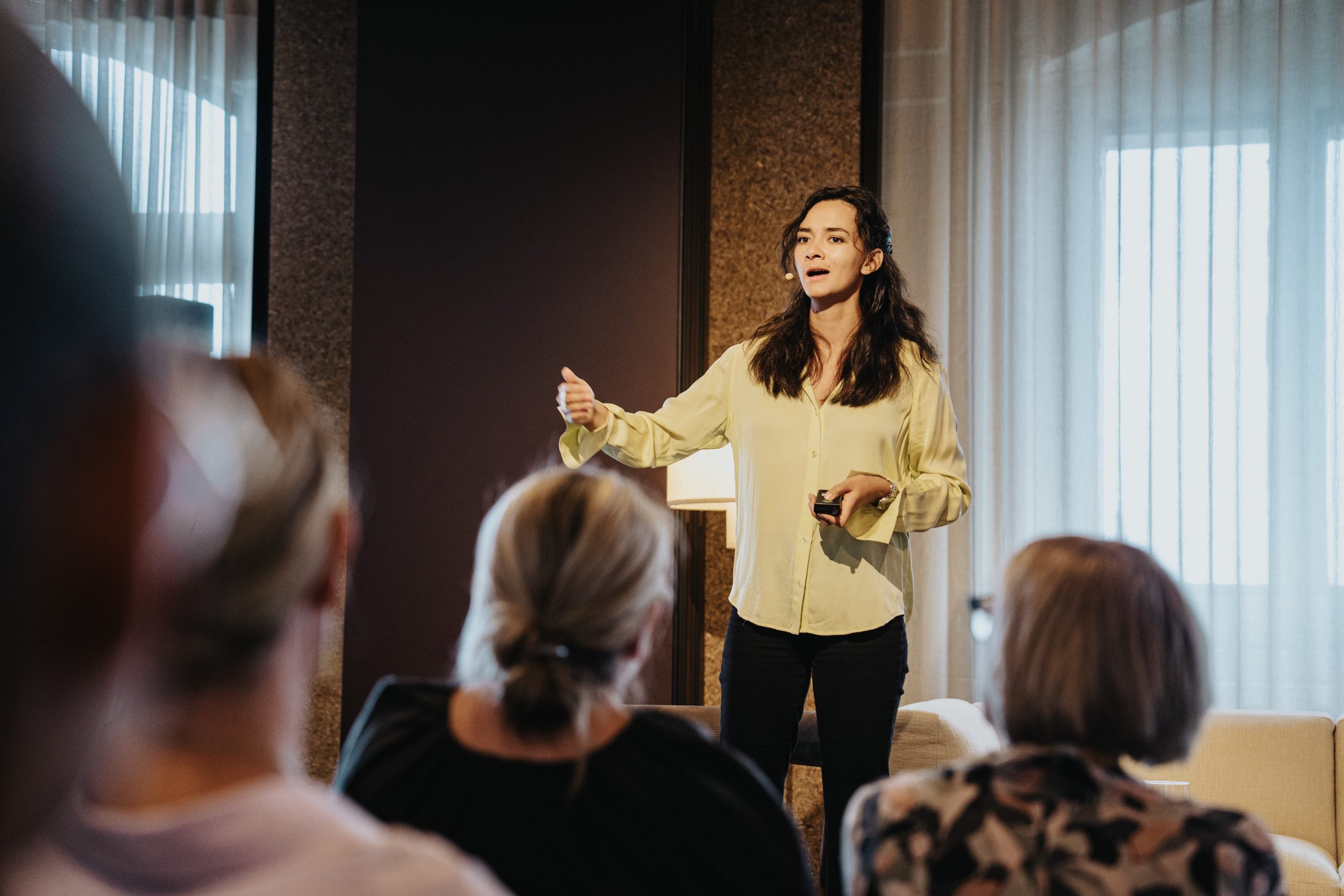
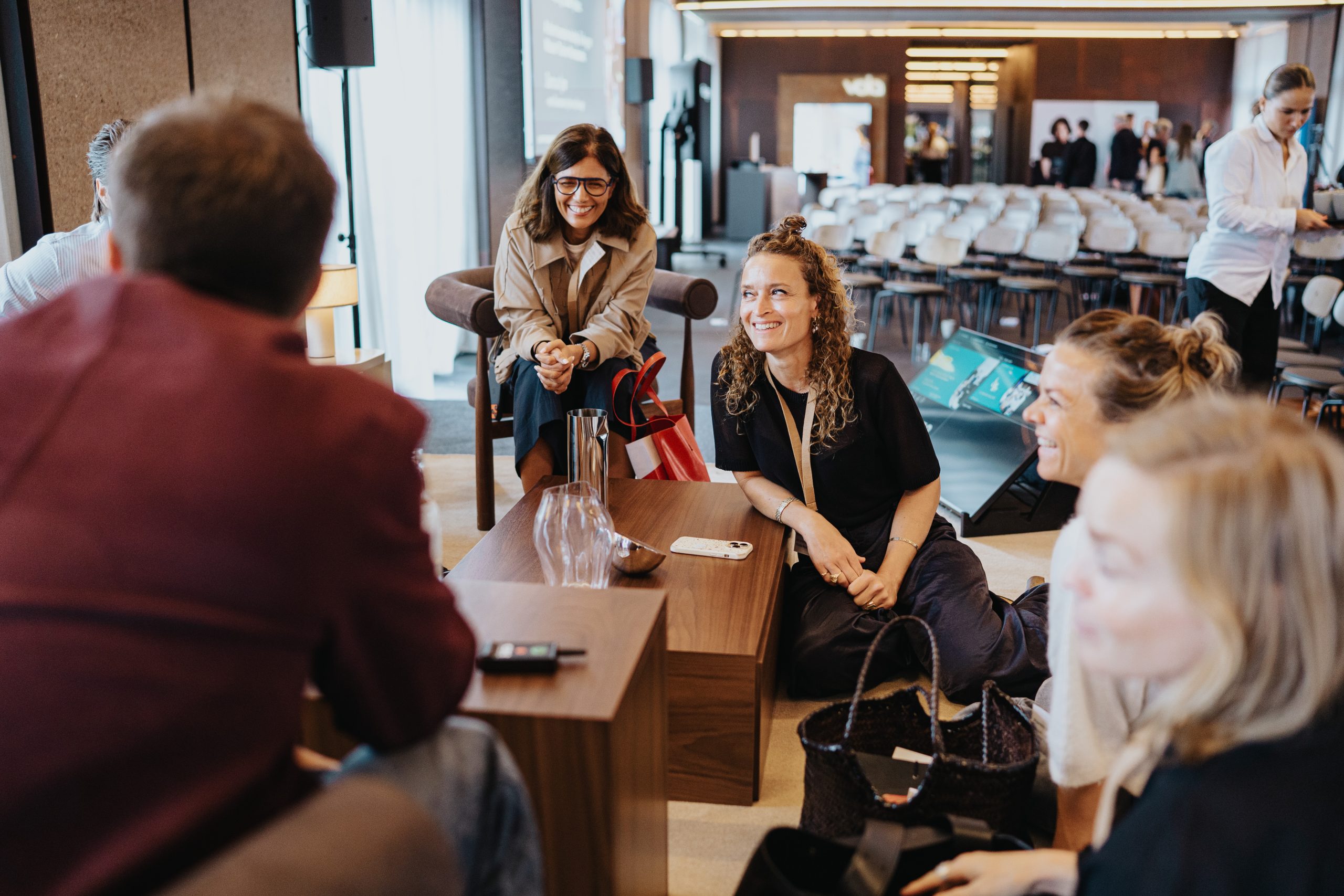
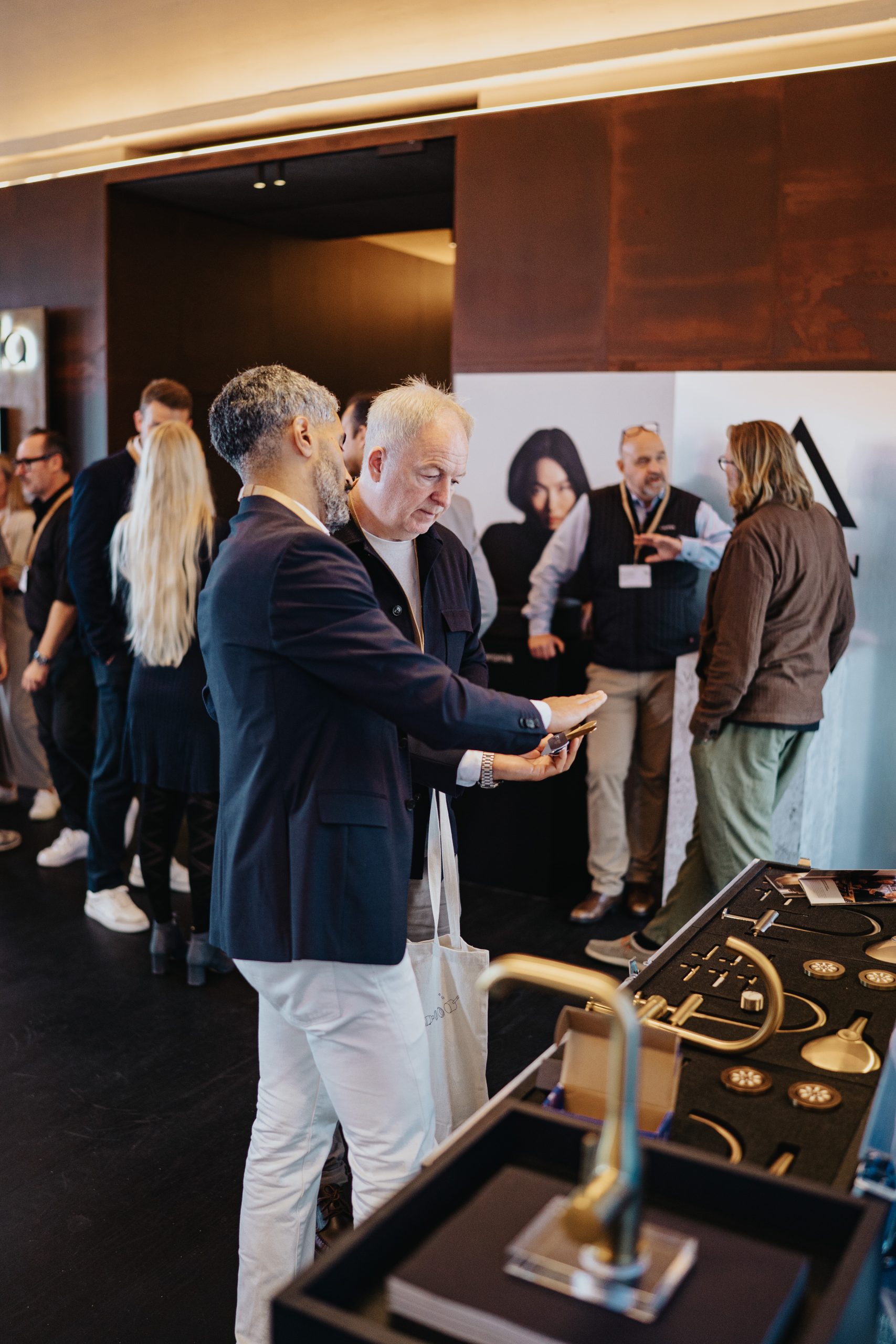
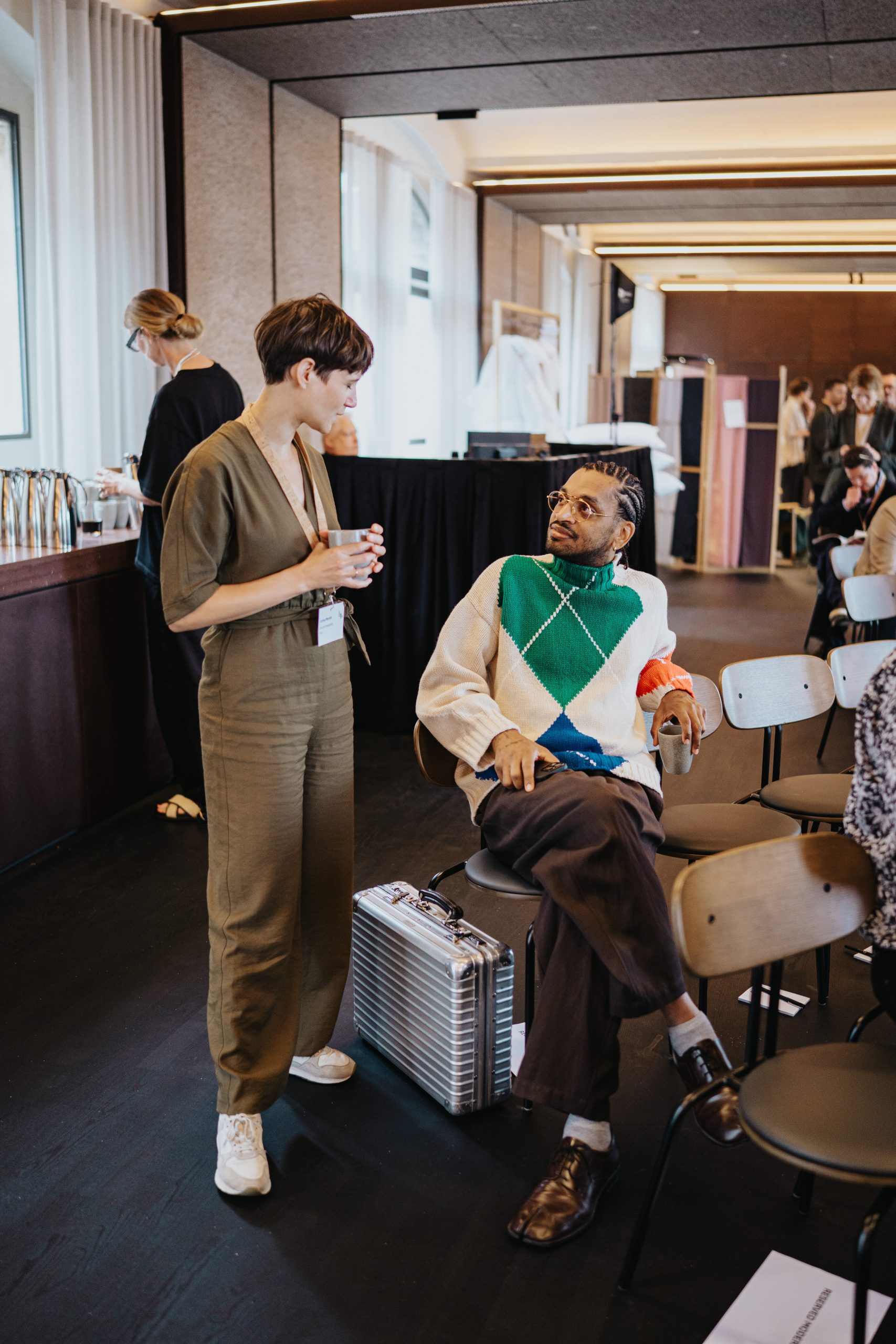
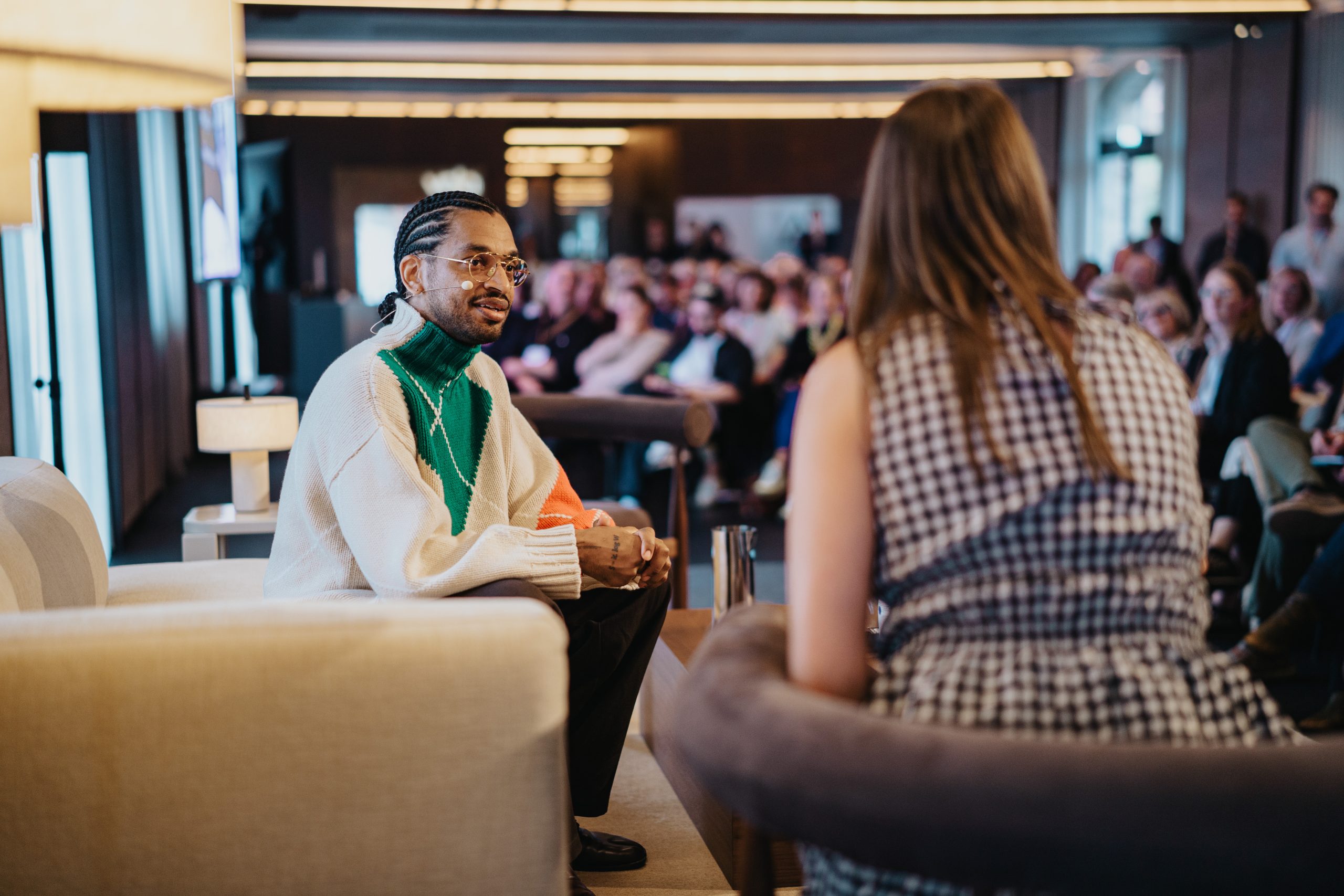
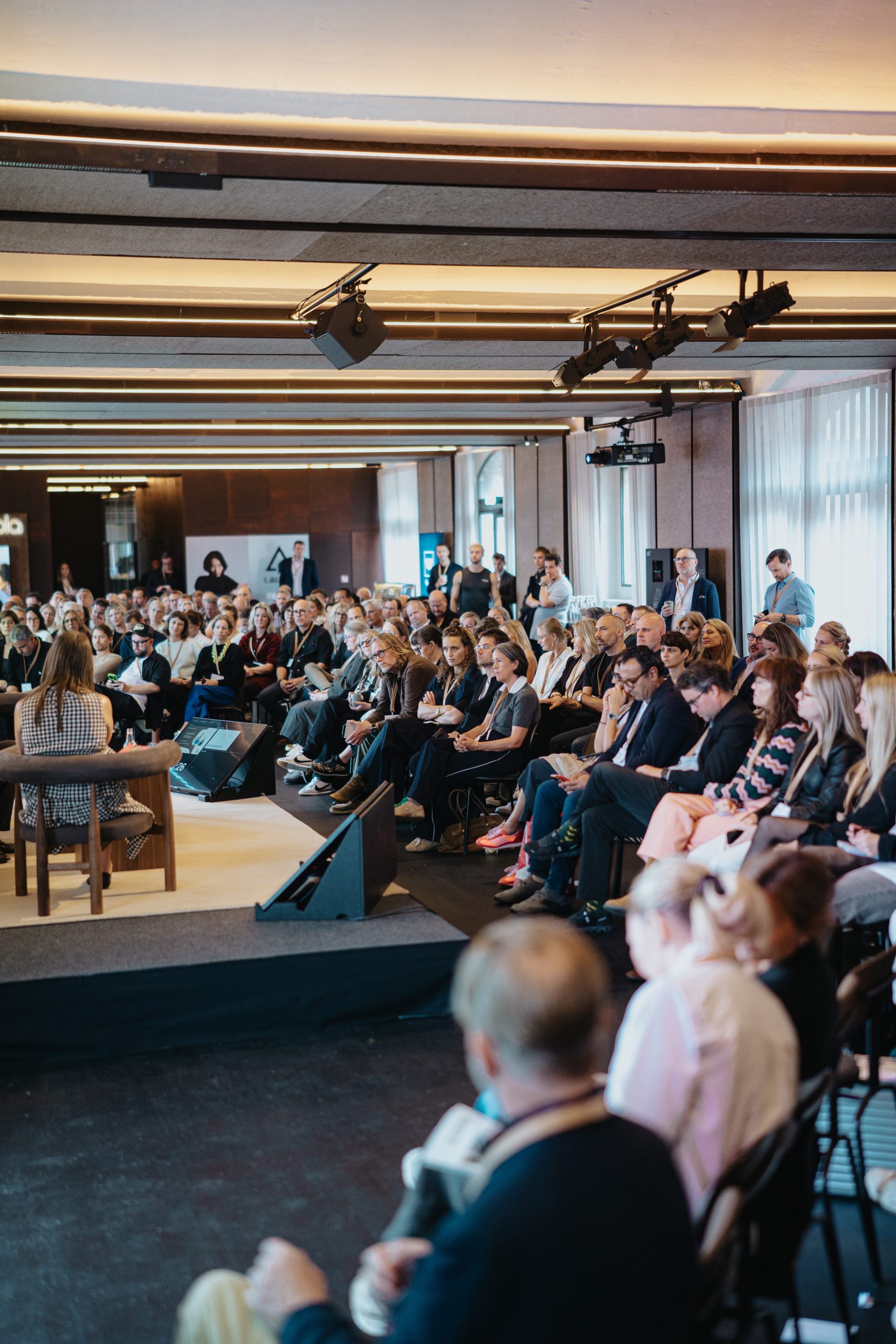
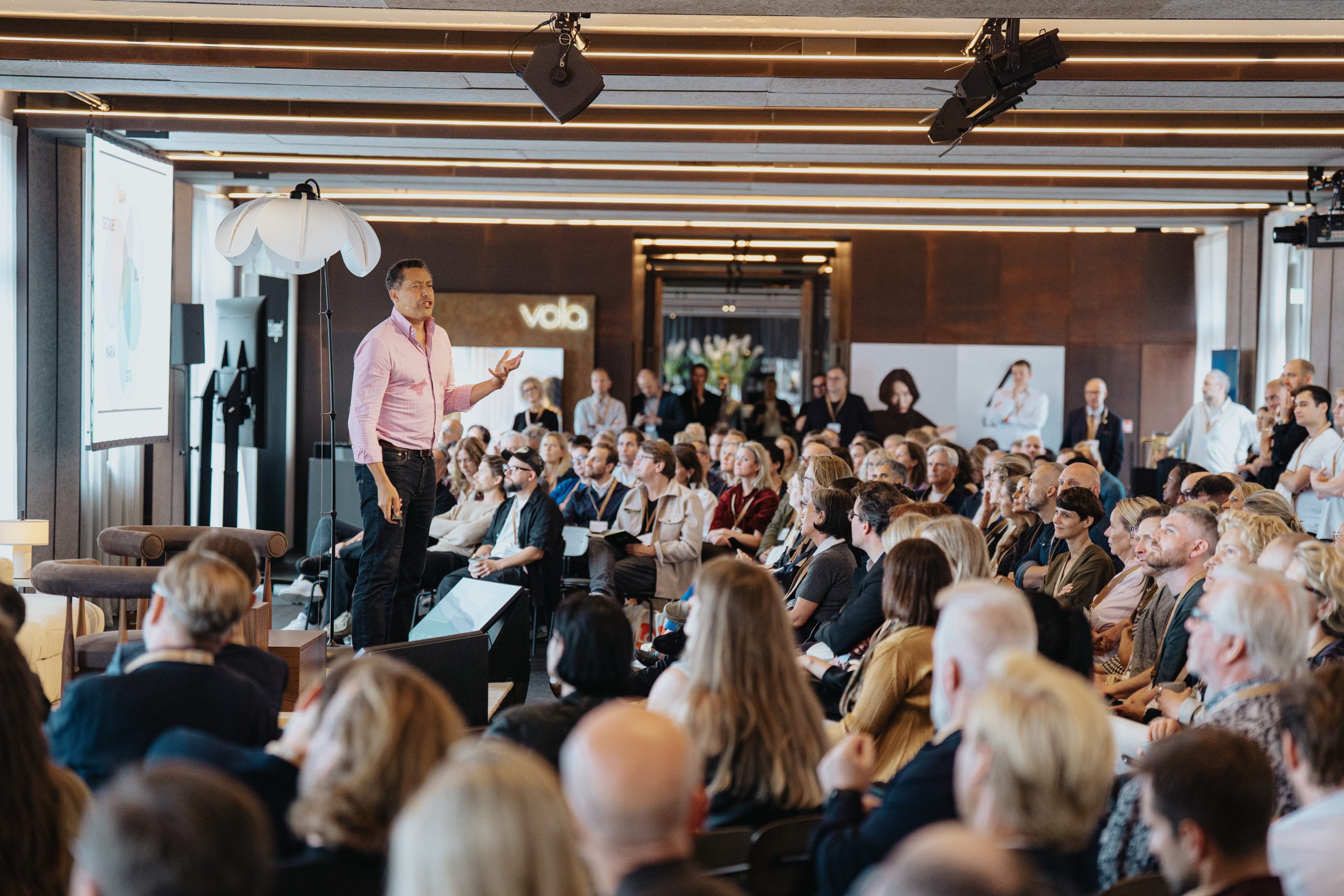
Podcasts
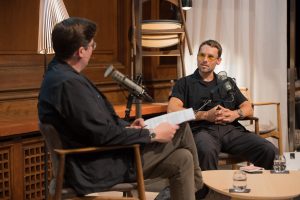
The Lobby stage underwent a transformation during our latest edition—and what a change it was! All attention turned to the live recording of Slowdown Media‘s TimeSensitive podcast, where host Spencer Bailey, in his trademark calm, curious, and warm manner, facilitated a mind-expanding conversation with The Alpina Gstaad co-founder Nachson Mimran.
The interview explored many fascinating aspects of Nachson’s life and projects, but two powerful messages stood out above all. First, Nachson expressed a desire to eliminate small talk—urging us to dive deep and get real right away. Second, and perhaps even more notable, was this strong statement: “Talent is equally distributed, but opportunity isn’t.”
The podcast is available on timesensitive.fm
Articles
CONGRATULATIONS TO RASMUS MUNK – NEWLY ANNOUNCED WINNER OF THE BEST CHEF AWARDS 2024!
To celebrate his incredible achievement, we’re thrilled to share an article covering his powerful and inspiring talk at The Lobby 2024. Don’t miss this insight into Rasmus’s innovative approach and vision for the future of gastronomy.
Read the full article here!
Video Gallery
“The Lobby has a line-up of speakers on a different level. Rich in ideas, thought-provoking suggestions, and inspirations”.
Jane Moyses, Director for Projects and FF&E Belmond
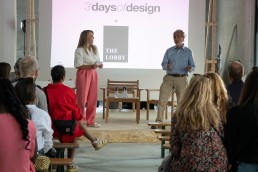
3Daysofdesign X The Lobby
At The Lobby we strive for a better tomorrow – and therefore super excited that we this summer 2023 was invited by 3Daysofdesign to make a special edition of The Lobby – A pop-up The Lobby – planning and hosting 3 talks at Mineralvandsfabrikken in Carlsberg Byen during the design festival.
The event had inspiring talks by fashion designer, artist and musician Henrik Vibskov, CEO at Briq Peter Bur, Creative partner fileunderpop Josefine Hoffmeyer, Founder Aamanns, Genbo, TV Host and Author Adam Aamann & Entrepreneur, Initiator and Ideaman behind Folkehuset and Kanalhuset Lennart Lajboschitz.
We invited London-based Editor Amy Frearson to co-host together with co-founder of The Lobby, Dorte Bagge.